Search
-
- Diseases
- Alzheimer's disease
Alzheimer's – a Disease makes History
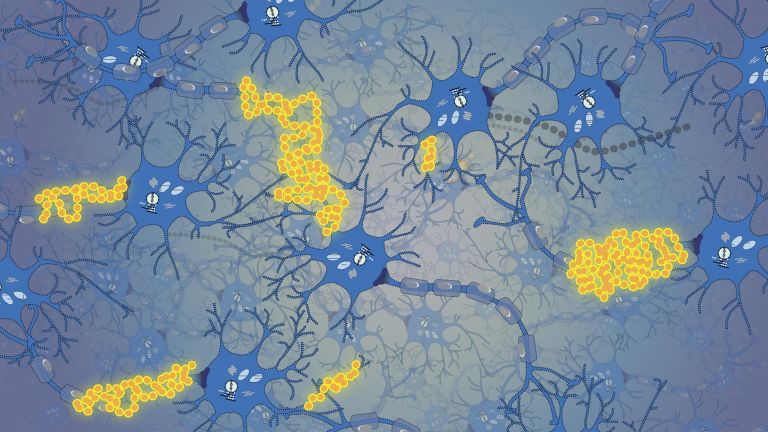
After more than 100 years, Alzheimer's disease is still incurable. Possible causes are emerging.
20.10.2025
-
- Basics
- Structure and Function
Future Regeneration
The brain is amazing, but vulnerable – which makes effective treatments all the more important. In fact, there is hope: stem cell therapy works in mice.
30.04.2020
-
- News from the Institutes
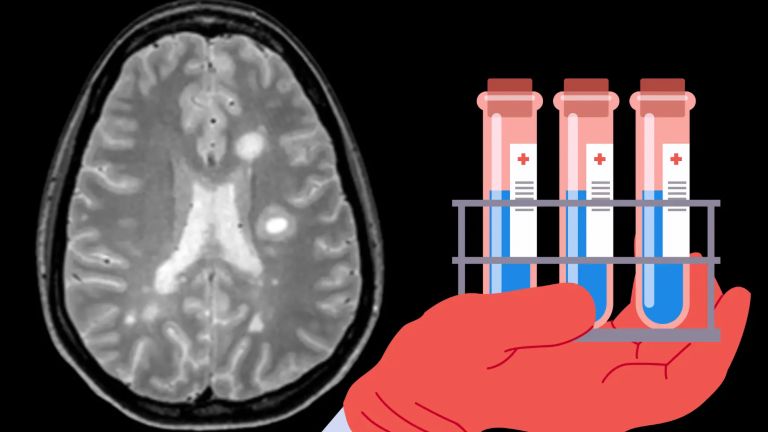
New diagnostic markers for multiple sclerosis discovered in brain and spinal fluid
Researchers at the MPI of Biochemistry and TUM have examined the cerebrospinal fluid of 5,000 patients with neurological diseases and discovered new diagnostic and prognostic markers for multiple sclerosis.
26.02.2026
-
- Diseases
- Multiple sclerosis
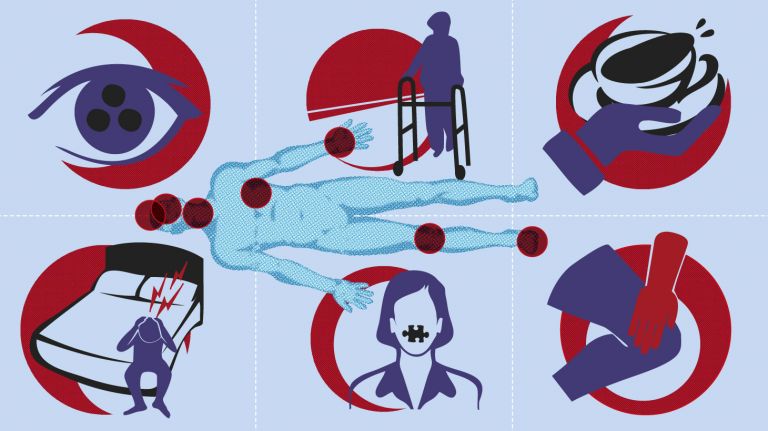
Multiple Sclerosis – a Medical Challenge
Multiple sclerosis is incurable, but there are a variety of treatment options available.
20.02.2026
-
- News from the Institutes
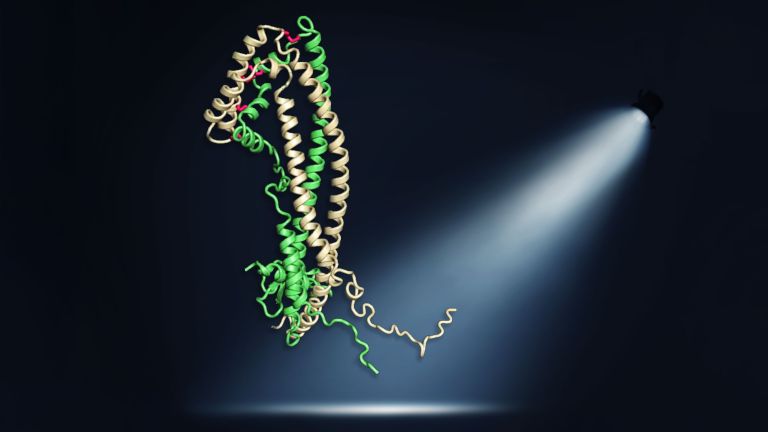
Structure of clusterin: a key protein against neurodegenerative diseases
Crystallographic three-dimensional structure of human clusterin determined for the first time
08.09.2025
-
- Diseases
- Intruders
Prions: Proteins That Drive You Crazy
On cannibalism, riddled brains, and contagious madness
02.05.2023
-
- News from the Institutes
Heat makes you sick, and the brain is particularly affected
Heat waves have been linked to an increased risk of neurological events such as strokes. But that’s not all.
04.06.2026
-
- Diseases
- Intruders
It Takes More than Guts
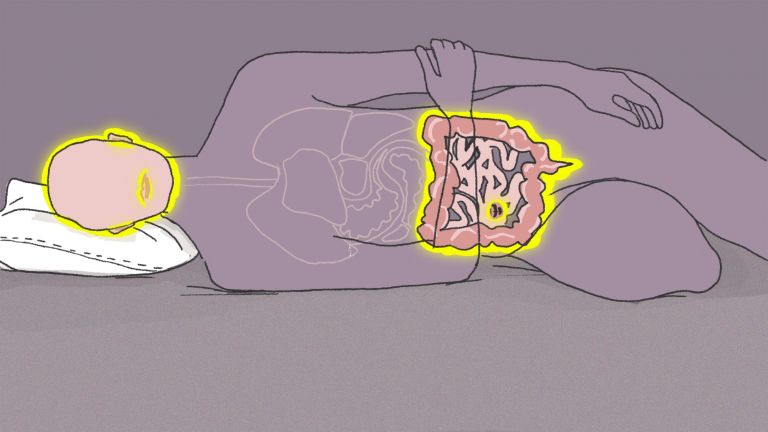
Microbiome: How gut bacteria can make the brain sick
02.05.2023
-
- Basics
- The Glymphatic System
When the Brain gets clogged with Waste
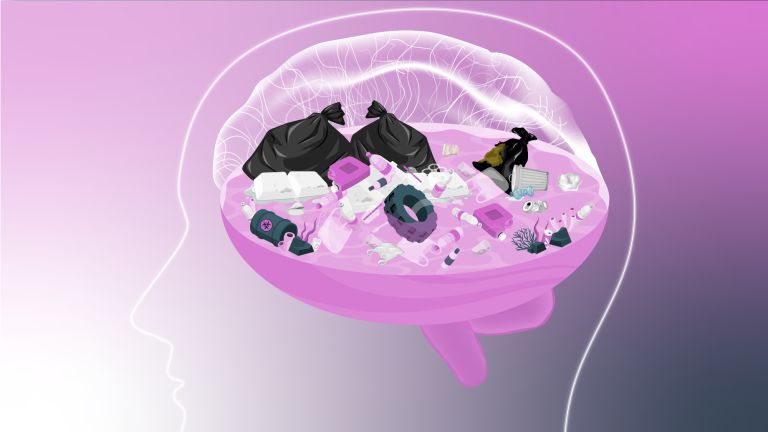
Not even a coffee cup full of “nerve water” can flush out the brain at night – but woe betide you if you don't.
06.11.2024
-
- Glossary
Parkinson's disease
Parkinson's disease is one of the most common neurological disorders, caused by the death of dopamine-producing neurons in the substantia nigra, leading to a neurotransmitter imbalance in the basal ganglia. Symptoms usually begin late in life with mild tremors (resting tremor), increasing stiffness of the limbs, and slowed voluntary movements (bradykinesia). Later, postural instability, balance disorders, and difficulty walking occur. Other typical features include rigid facial expressions (hypomimia), a shuffling gait, and muscle stiffness (rigor). The disease is incurable, but its symptoms can be treated with medication (e.g., L-dopa, dopamine agonists) or surgery involving deep brain stimulation (brain pacemaker).