Search
-
- News from the Institutes
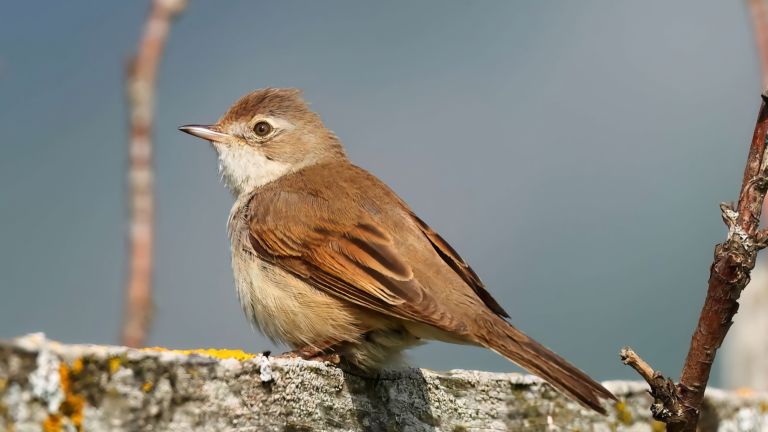
A surprising discovery: songbirds have lost the ”hunger hormone” ghrelin
Groundbreaking work on bird physiology with important findings for humans
28.03.2025
-
- News from the Institutes
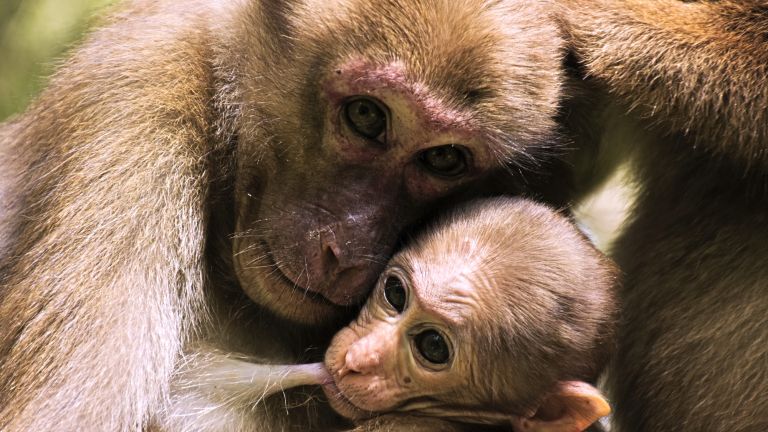
Stress during early pregnancy affects offspring into adulthood
Long-term study on wild monkeys in Thailand reveals health risks and opportunities for intervention
22.01.2025
-
- Basics
- The Developing Brain
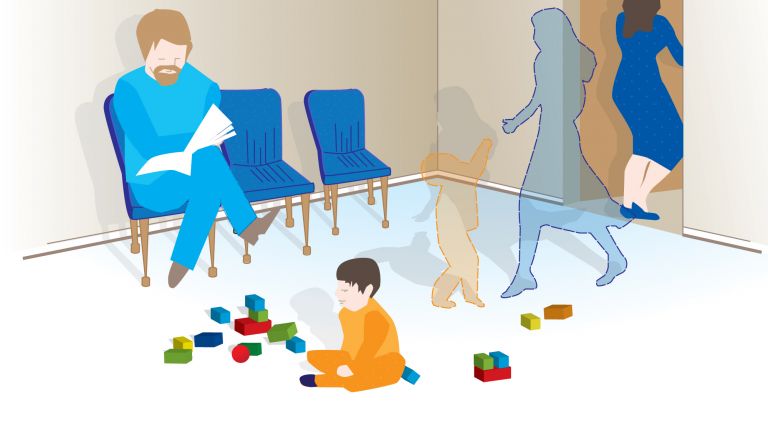
The invisible Bond
Emotional bond – the essential connection between children and parents.
18.03.2026
-
- Basics
- Anatomy
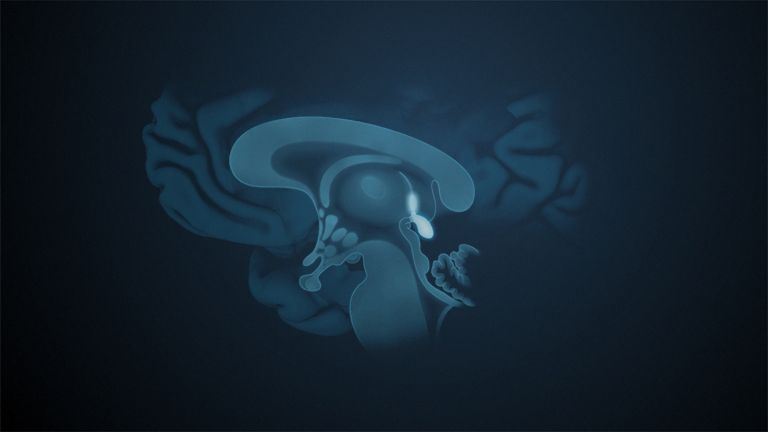
The Epithalamus
Probably not the seat of the soul after all: the pineal gland in the epithalamus.
09.10.2025
-
- Basics
- The Developing Brain
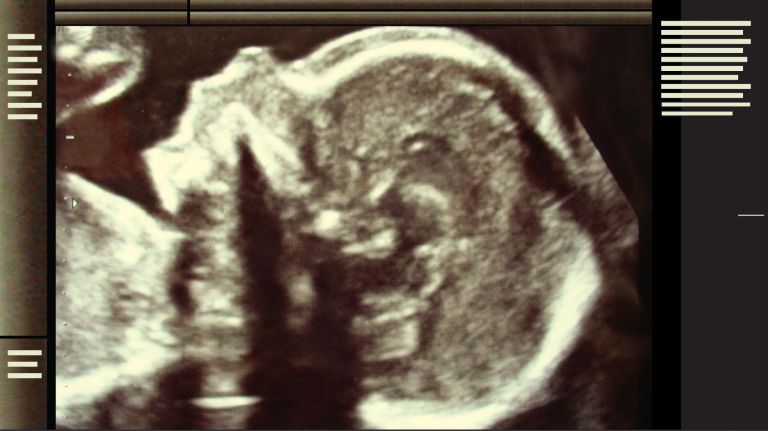
Like Mother, like Child
Like mother, like son: Key regulatory circuits in the brain and genes are calibrated before birth
10.02.2026
-
- News
- Question to the brain
Why is it soothing to pet Animals?
Many people find petting an animal soothing. Is there a neurobiological explanation for this?
08.12.2024
-
- Basics
- Anatomy
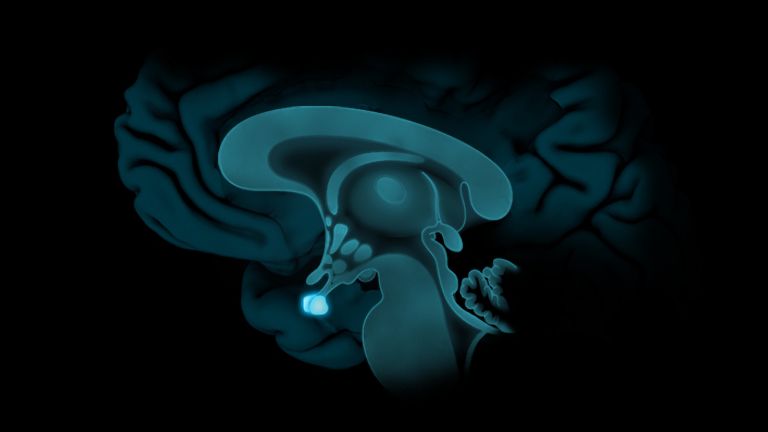
The Pituitary Gland
The “queen of glands” regulates vital processes. It has nothing to do with colds.
21.03.2025
-
- News from the Institutes
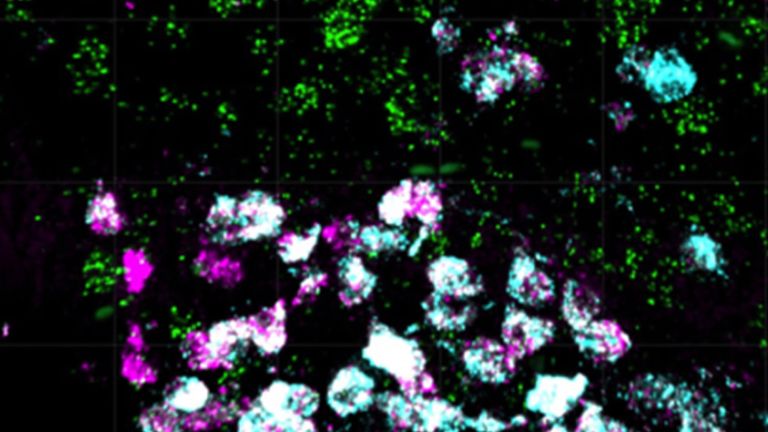
Newly identified group of nerve cells in the brain regulates bodyweight
Potential for novel obesity treatments
26.05.2025
-
- Glossary
Stress hormone system
During the stress response, the sympathetic nervous system and a number of hormone glands – the hypothalamus, pituitary gland, and adrenal cortex – work together to prepare the body for increased demands. The sympathetic nervous system uses the hormones adrenaline and noradrenaline as messenger substances. Their activity increases breathing and heart rate while improving blood flow to the muscles. During the stress response, the adrenal cortex releases the hormone cortisol. It acts via negative feedback on the hypothalamus and pituitary gland, thereby slowing down further cortisol release. When the stressor subsides and the sympathetic tone decreases, the parasympathetic nervous system can regain the upper hand and bring the organism into a state of rest.
-
- Basics
- Anatomy
The Hypothalamus
Nutrition and reproduction – these activities are controlled by the hypothalamus at the neural and hormonal levels.
01.07.2025