Search
-
- Discover
- Milestones
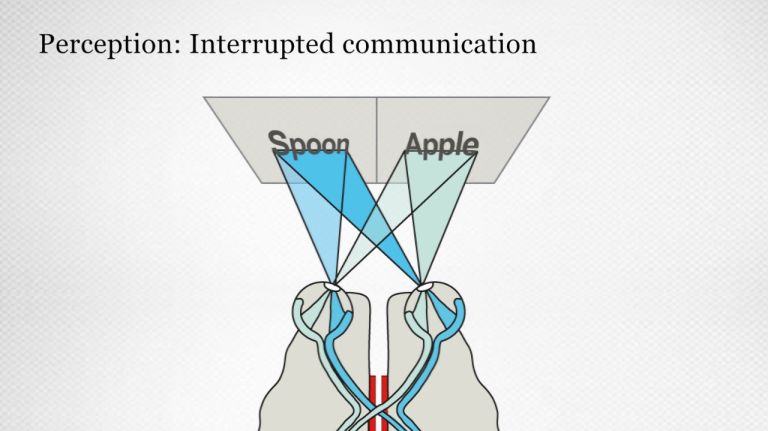
Image | Perception: Split Brain
Visual input from the left field of vision reaches the right hemisphere of the brain and vice versa. This might cause problems.
27.09.2012
-
- Percieve
- Hearing
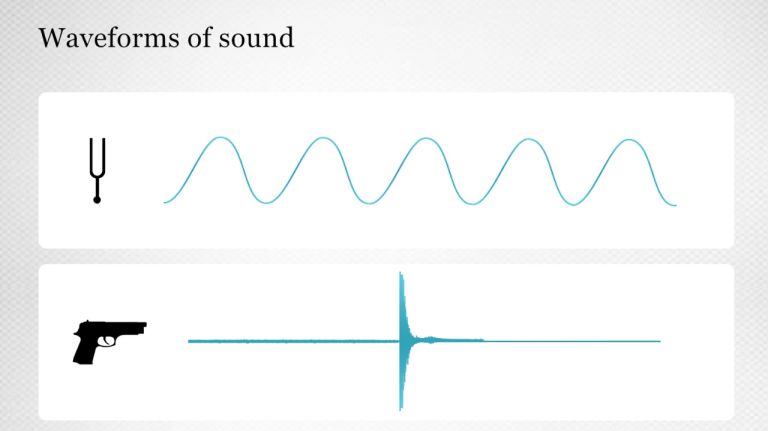
Hearing: Types of Sound and their Perception
Sometimes uniform, sometimes chaotic: the appearance of sound waves depends on their source.
23.10.2025
-
- Percieve
- Hearing
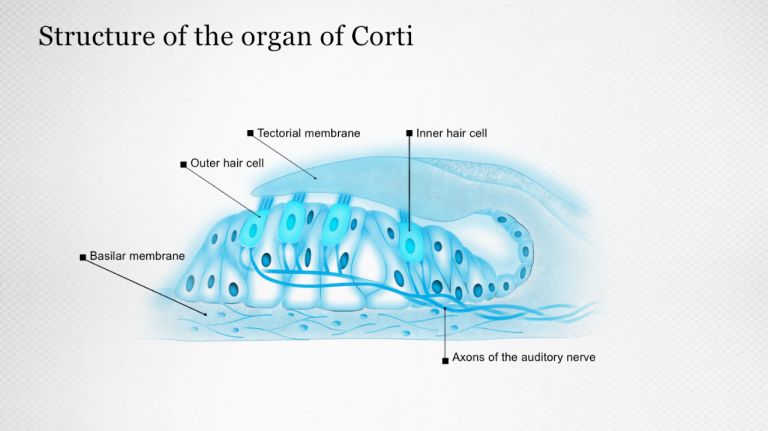
Hearing: Structure of the Organ of Corti
Sound is converted into electrical impulses in the ear. The organ of Corti plays a crucial role in this process.
23.10.2025
-
- Percieve
- Smell & Taste
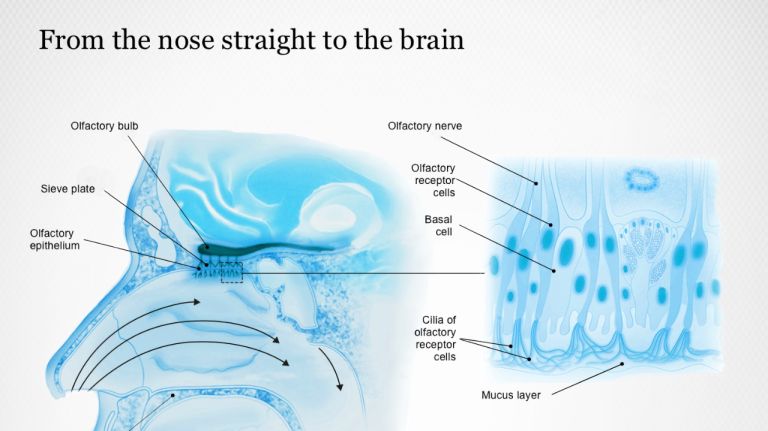
Smell: From the Nose straight to the Brain
At the top of the nasal cavity – directly connected to the brain – the olfactory epithelium picks up aromas.
29.11.2013
-
- Think
- Emotions
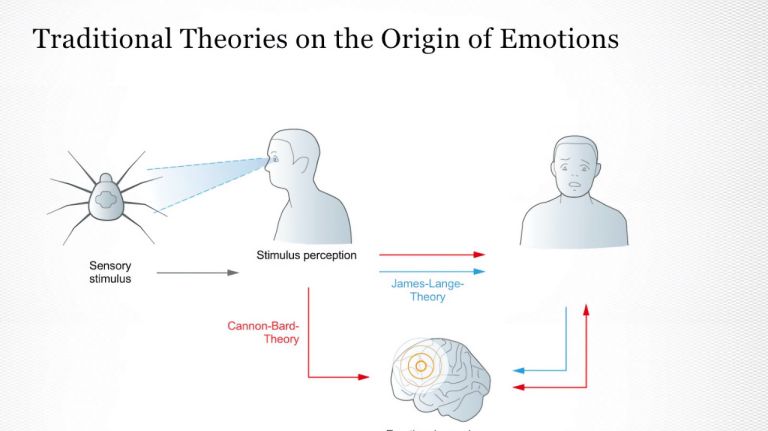
Image | Theories on the Origin of Emotions
Traditional theories of emotion formation came to different conclusions.
08.09.2011
-
- Diseases
- Alzheimer's disease
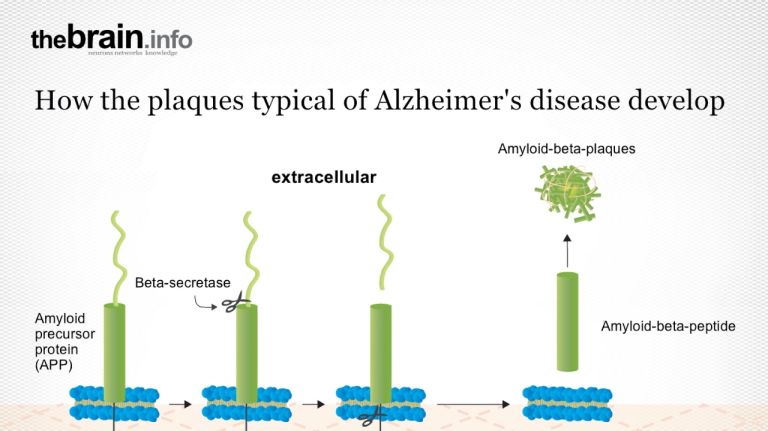
How the plaques typical of Alzheimer's disease develop
Two cuts are necessary for the protein APP to form beta-amyloid.
23.09.2013
-
- Diseases
- Alzheimer's disease
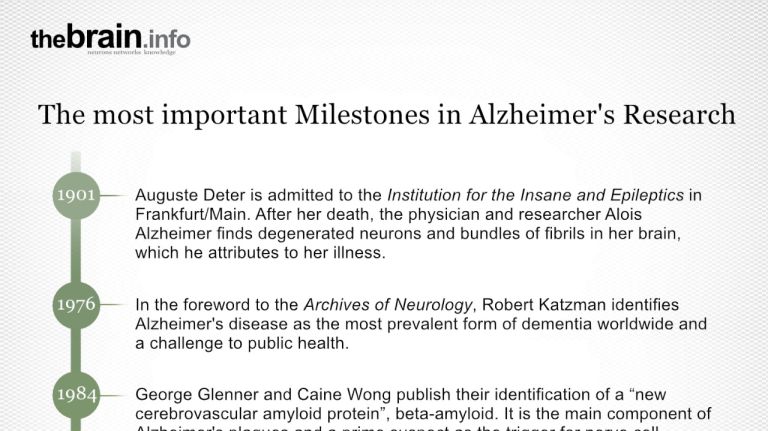
Media - Image | Graphic: The most important Milestones in Alzheimer's Research
For more than 100 years, researchers have been searching for the causes of Alzheimer's disease.
02.12.2025
-
- Percieve
- Hearing
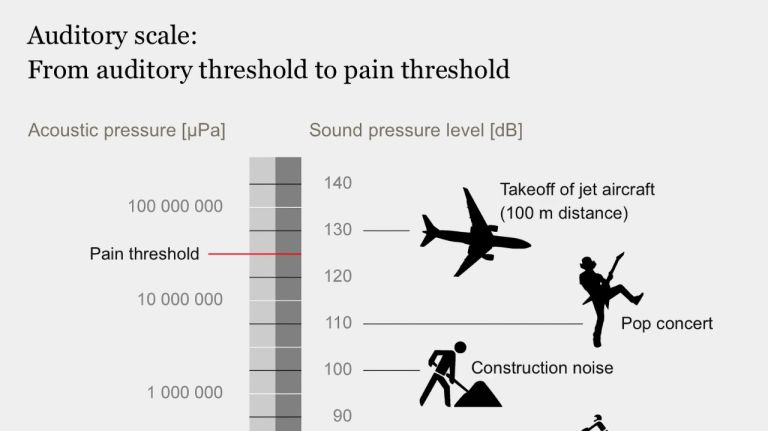
Hearing: Audio scale
When does noise start to hurt?
23.10.2025
-
- Percieve
- Hearing
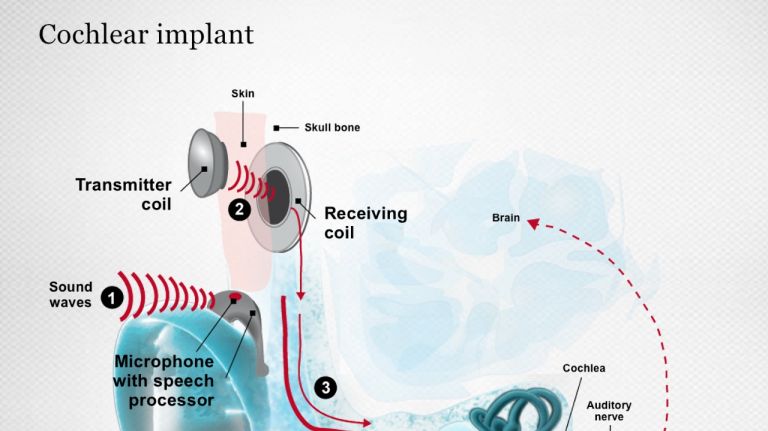
Hearing: Cochlear Implants
Thanks to one device, many deaf people can hear again: the cochlear implant.
23.10.2025
-
- Percieve
- Hearing
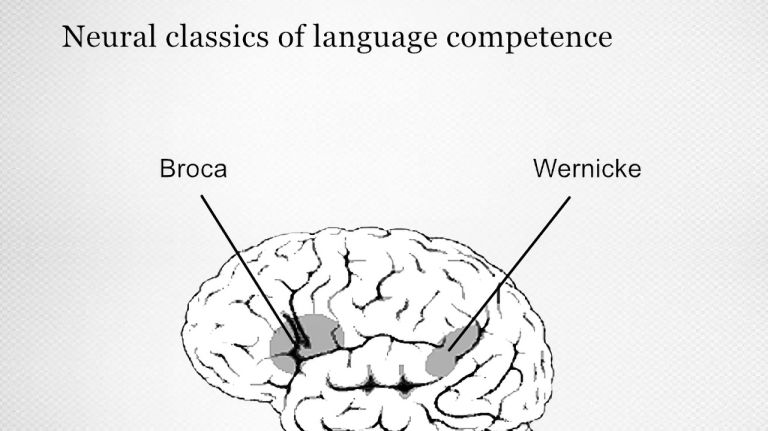
Neural classics of linguistic competence
Without Broca's area and Wernicke's area, we would be quite tongue-tied.
23.10.2025