Published: 03.08.2023
Published: 03.08.2023
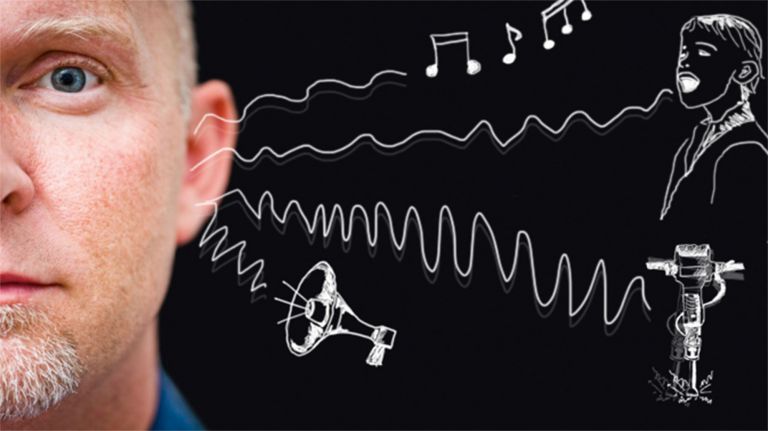
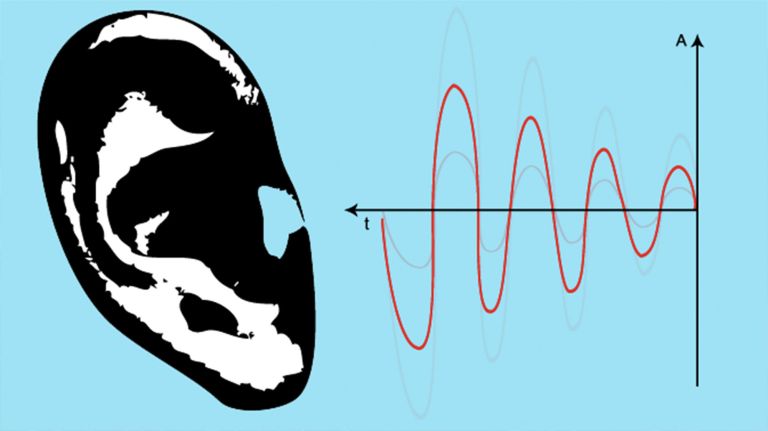
Bei der Verarbeitung auditiver Signale nutzt der Cortex eine Karte zur Lokalisation. Sagen die Fachbücher bisher, doch das gilt nur für Vögel. Und die stammen vom Dinosaurier ab. Säuger – das ist eine neue Erkenntnis – sind cortical deutlich flexibler. Benedikt Grothe erklärt, wie wir hören. Aus der Postersession der NWG-Tagung 2023 in Göttingen.
cortex cerebri
Cortex refers to a collection of neurons, typically in the form of a thin surface. However, it usually refers to the cerebral cortex, the outermost layer of the Cerebrum. It is 2.5 mm to 5 mm thick and rich in nerve cells. The cerebral cortex is heavily folded, comparable to a handkerchief in a cup. This creates numerous convolutions (gyri), fissures (fissurae), and sulci. Unfolded, the surface area of the cortex is approximately 1,800cm².
Cortex
cortex cerebri
Cortex refers to a collection of neurons, typically in the form of a thin surface. However, it usually refers to the cerebral cortex, the outermost layer of the cerebrum. It is 2.5 mm to 5 mm thick and rich in nerve cells. The cerebral cortex is heavily folded, comparable to a handkerchief in a cup. This creates numerous convolutions (gyri), fissures (fissurae), and sulci. Unfolded, the surface area of the cortex is approximately 1,800cm².
Cerebrum
telencephalon
The cerebrum comprises the cerebral cortex (gray matter), the nerve fibers (white matter), and the basal ganglia. It is the largest part of the brain. The cortex can be divided into four cortical areas: the temporal lobe, frontal lobe, occipital lobe, and parietal lobe.
Its functions include the coordination of perception, motivation, learning, and thinking.
Author
License Terms
This content is available under the following conditions of use.