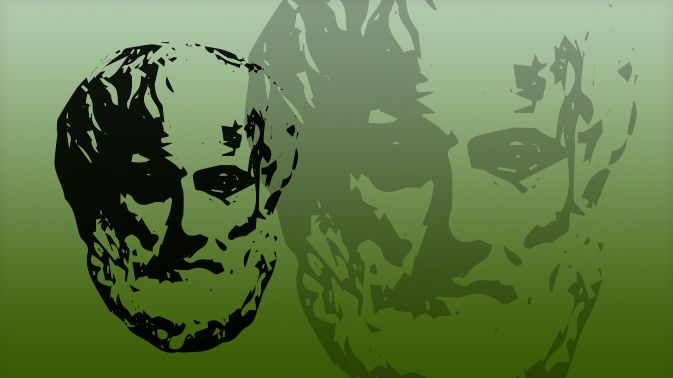
Despite numerous errors, Aristotle's views influenced the history of brain research.
Hubel and Wiesel worked diligently to establish fundamental knowledge about visual information processing.
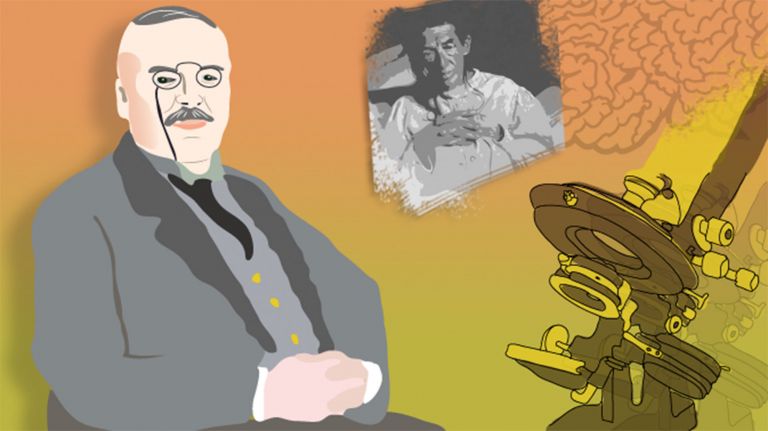
Alzheimer's is one of the most well-known diseases of our time. But initially, it – along with its discoverer – was largely ignored.
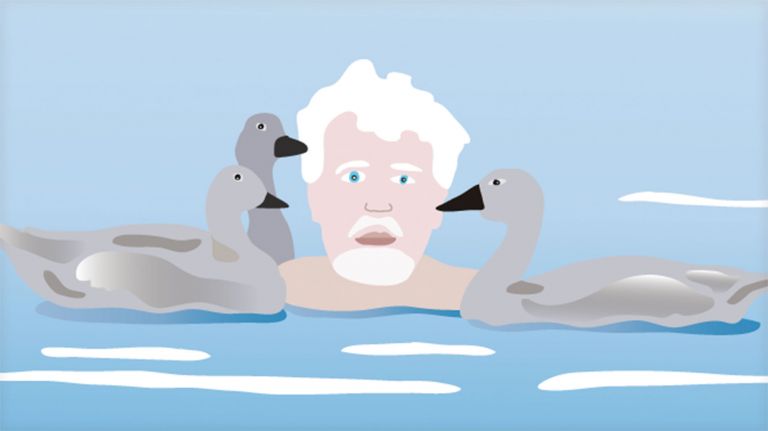
Lorenz, the “father of geese”: influenced behavioral biology, received the Nobel Prize, supported Nazi ideology
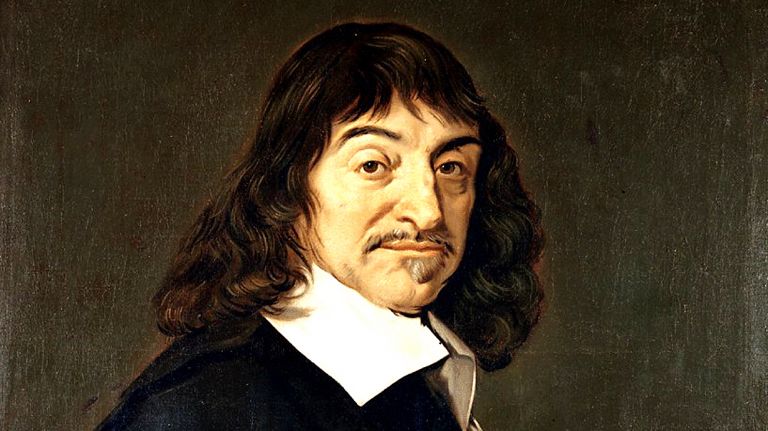
Descartes viewed the body and soul as separate entities within humans that interact in the brain.
John Eccles disproved his own theories. In doing so, he helped to elucidate synaptic transmission.
The Greek anatomist Galen recognizes the brain as the central organ of thought and sensation.
The ancient philosopher Alcmaeon of Croton founded scientific brain research.
Herophil of Chalcedon and Erasistratus were a pair of researchers who succeeded in discovering the nerves.
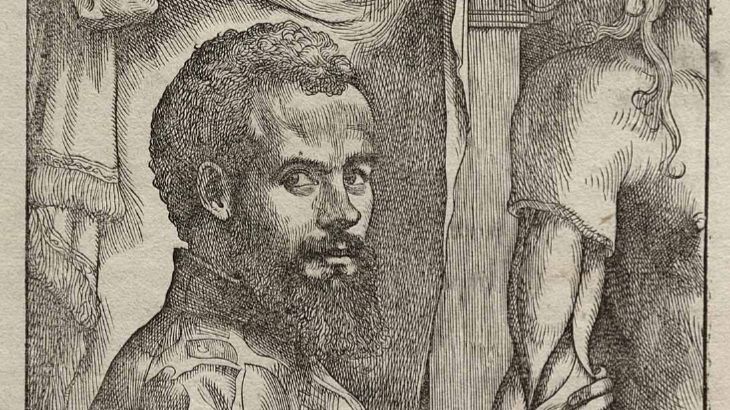
Vesalius replaced belief in authority with empiricism – and taught others about the structure of the body.
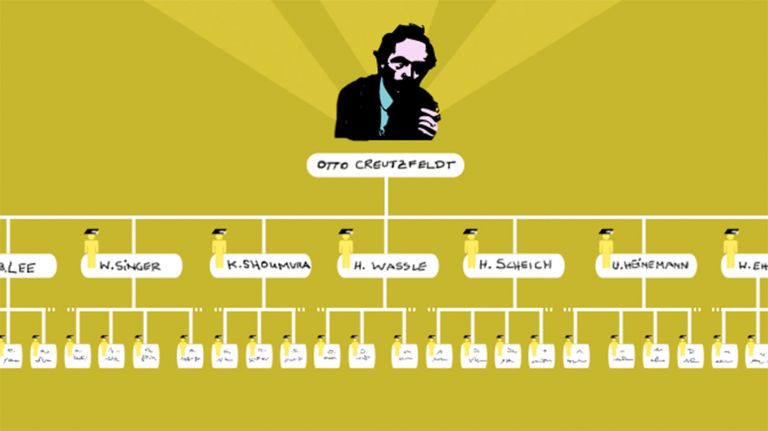
Otto Detlev Creutzfeldt had a major influence on the neuroscientific landscape.
Despite being banned from her profession and persecuted, Rita Levi-Montalcini enjoyed a brilliant career in research.