1. Home
  2. Glossary
  3. 3D-Brain
  4. Search
  5. DE
theBrain
  • Topics
  • Community
  • Media
  • About us
  • Topics

    • Start

    • Basics

      • Anatomy
      • Communication of Cells
    • Percieve

      • Hearing
      • Smell & Taste
    • Think

      • Consciousness
      • Emotions
    • Act

      • Motor Skills
      • Sports
    • Discover

      • The Fly
      • Milestones
    • Diseases

      • Successful aging
      • Multiple sclerosis
      • Alzheimer's disease
  • Community

    • News from the Institutes

    • Question to the Brain

  • Media

    • Video

    • Interactive

    • Graphics & Photo

    • Audio

  • About us

    • Idea

    • Team

    • Advisors

    • thebrain.info Association

Search

    1. Glossary

    Obsessive-compulsive disorders

    This term summarizes neuropsychiatric disorders that manifest themselves in the form of obsessive thoughts on the one hand and compulsive actions on the other. For example, those affected have the urge to devote themselves to constantly recurring, mostly anxious thoughts, to wash themselves excessively often or to control their fellow human beings disproportionately. While neuroscientists used to try to explain OCD in purely psychological terms, it is now believed that some biological factors also contribute to its development, such as a disturbed metabolism of various neurotransmitters in the brain.

    1. Basics
    2. Anatomy

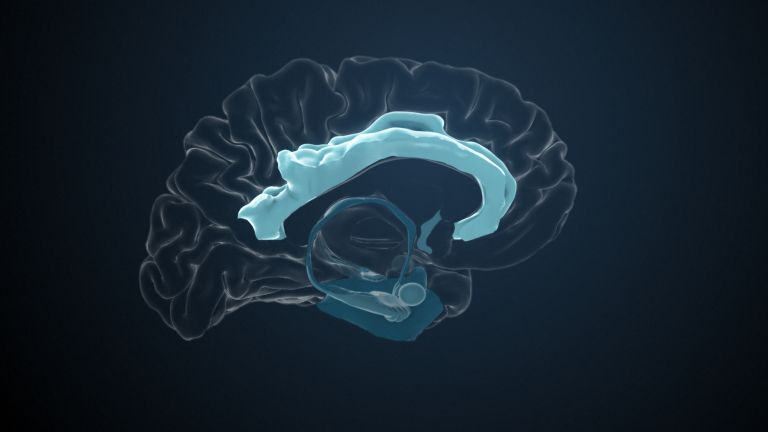
    The Cingulate Gyrus

    When paying attention, experiencing pain, or feeling emotions, the cingulate gyrus on the inside of the cortex becomes active.

    22.09.2023

  • Home
  • thebrain.info
    • 3D-Brain
    • Glossary
    • Search
  • Topics
    • Start
    • Basics
    • Percieve
    • Think
    • Act
    • Discover
    • Diseases
  • Media
    • Video
    • Interactive
    • Graphics & Photo
  • About us
    • The Idea
    • The Team
    • The Advisors
    • thebrain.info Association
  • Community
    • Question to the Brain
    • News from the Institutes
  • Contact
  • Terms of use
  • Imprint
  • Data privacy
© 2026 theBrain.info