Search
-
- Basics
- Anatomy
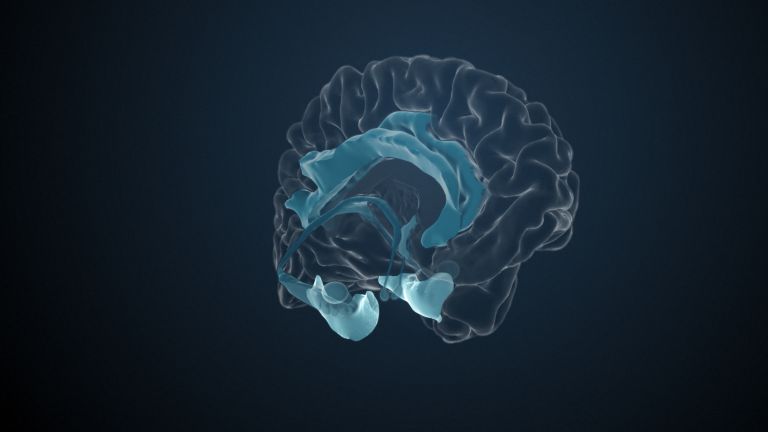
The Parahippocampal Gyrus
The parahippocampal gyrus can rightly be described as the gateway to the hippocampus.
28.11.2025
-
- Think
- Gedächtnis
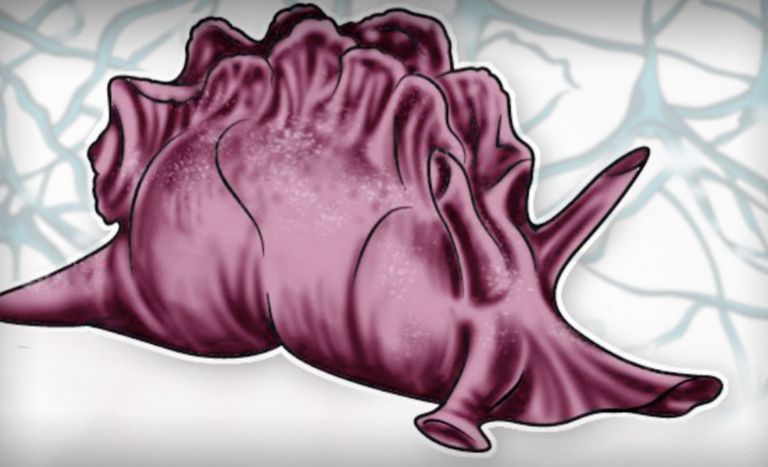
The molecules of memory
How a snail shed light on remembrance. And why you can't eat memories.
27.07.2018
-
- Page
404
16.06.2017
-
- Topic
Think
-
- Topic
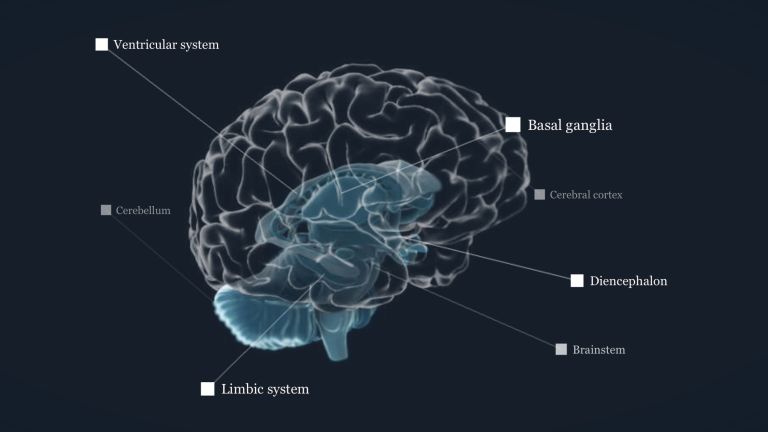
Anatomy
The brain is the basis of our entire being. It is not uncommon for damage to the brain to lead to personality changes.
-
- Glossary
Acetylcholine
Acetylcholine is one of the most important neurotransmitters in the nervous system. In the central nervous system, it is involved in attention, learning, and memory; in the peripheral nervous system, it transmits excitation from nerves to muscles at the neuromuscular end plates and controls processes of the autonomic nervous system, i.e., the sympathetic and parasympathetic parts. Areas in which acetylcholine acts as a messenger substance are called cholinergic. It was the first neurotransmitter to be discovered, identified in 1921 by Otto Loewi in the heart of a frog.
-
- Glossary
Ampakine
A group of active substances that belong to the "neuroenhancers" and can improve cognitive performance. Among other things, they increase attention span, promote memory, and facilitate learning processes. Their effect is based on binding to AMPA receptors in the brain, which facilitates synaptic transmission at glutamatergic synapses and enhances overall neuronal signal transmission.
-
- Glossary
Anterograde amnesia
A form of memory disorder in which the formation of new memories – i.e., the storage of new information – is no longer possible from the time of the damage. Memories from before that time can still be recalled. Those affected usually also forget their forgetfulness.
-
- Glossary
Cingulate cortex
A component of the prefrontal cortex located at the front of the brain. Like half a doughnut, the cingulate cortex wraps around the corpus callosum. Functionally, it belongs to the limbic system and is involved in emotion, memory, and motor function.
-
- Glossary
Frontotemporal dementia
Frontotemporal dementia is a neurodegenerative disease. Unlike Alzheimer's dementia, Pick's disease usually begins before the age of 60 and initially manifests itself through changes in personality and social behavior. There are also variants that begin with speech disorders. In advanced stages, memory performance is also impaired. The physiological cause is degeneration of nerve cells in the frontal and temporal lobes of the brain. Similar to Alzheimer's disease, the aggregation of certain proteins appears to play a role in pathogenesis. However, doctors do not yet understand exactly what happens in this process and what other factors contribute to the development of Pick's disease. Today, classic Pick's disease is only a subtype of FTD in which characteristic Pick bodies can be detected in the brain.