Search
-
- Basics
- Structure and Function
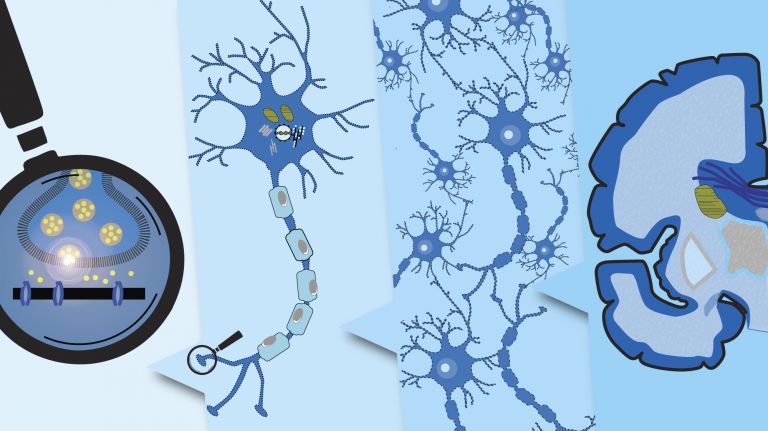
The Wonders of Life
Researchers are examining life in ever greater detail. It is revealed to be intricate and complex – the miracle becomes explainable. Yet this in no way diminishes it.
30.04.2020
-
- Percieve
- Hearing
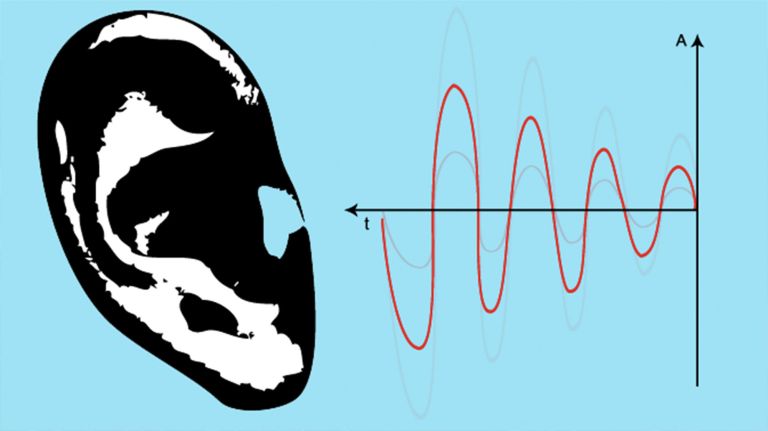
From Sound to Interpretation
How the ear processes fluctuations in air pressure into meaningful information.
03.10.2025
-
- Basics
- Anatomy
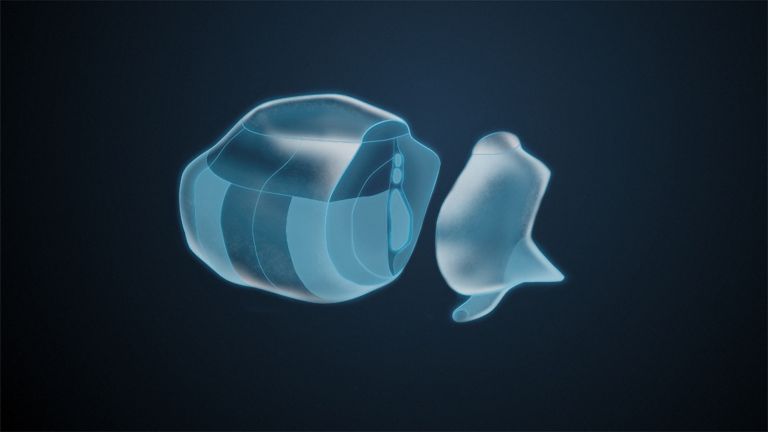
The Thalamus dorsalis
The structure is complex, the tasks are varied. It supports the senses, motor skills, and psyche.
28.11.2025
-
- Basics
- Anatomy
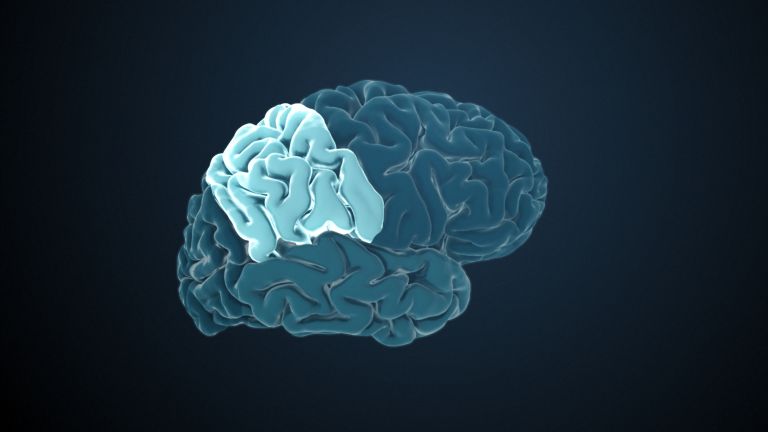
The Parietal Lobe
Sensory impressions are integrated in the parietal lobe. This is also where the body and mind meet.
18.09.2025
-
- Basics
- Structure and Function
Structure and Function: Regeneration
The entire body heals, but the brain has to make do with what it has – it cannot regenerate. Yet even here, stem cell formation can be stimulated.
17.09.2021
-
- Diseases
- Multiple sclerosis
Multiple Sclerosis – a Medical Challenge
Multiple sclerosis is incurable, but there are a variety of treatment options available.
20.02.2026
-
- Glossary
Periaqueductal gray
A core area in the brain stem that is involved in defensive behavior and fear and flight reflexes via close connections to the limbic system. It also plays an important role in pain suppression by regulating signals from the spinal cord to the brain. It is considered an endogenous pain control system and is an important target for medication.
-
- Basics
- Anatomy
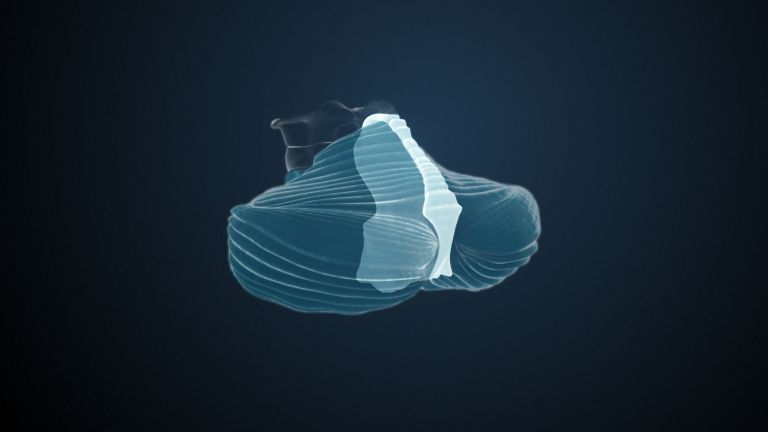
The Vermis
The worm in our heads, inlcuding a tongue, pyramid, and more. But it's a good one, helping us walk.
01.10.2025
-
- Glossary
Cranial nerve
A group of 12 pairs of nerves that originate directly in the brain, mostly in the brain stem. They are numbered with Roman numerals (I–XII). Unlike the rest, the first and second cranial nerves (olfactory and optic nerves) are not part of the peripheral nervous system, but rather the central nervous system.
-
- Glossary
Pons
Area in the brain stem between the medulla oblongata and the mesencephalon. It acts as a switching station for many nerve pathways between the brain and spinal cord and contains numerous nuclei, including cranial nerves and those involved in controlling motor function in cooperation with the cerebellum.