Search
-
- Diseases
- Multiple sclerosis
The Disease with a thousand Faces
Key facts about MS. And first things first: the course of the disease can be significantly influenced.
07.10.2025
-
- Act
- Motor Skills
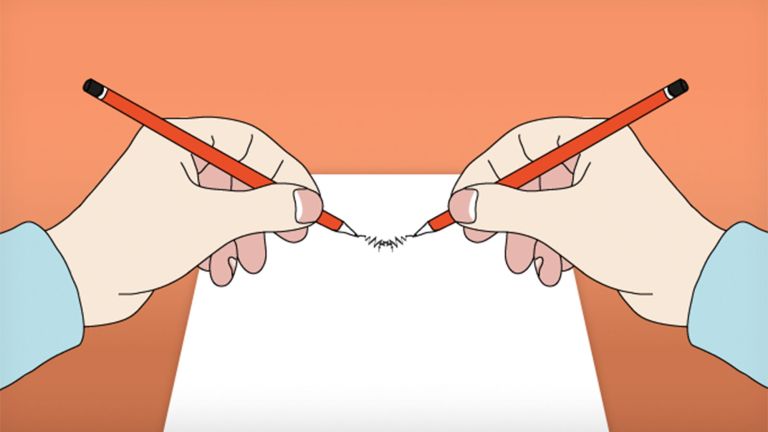
Forced Right-Handedness
When left-handed people were retrained to use their right hand, their brains were also retrained.
25.10.2025
-
- Basics
- Anatomy
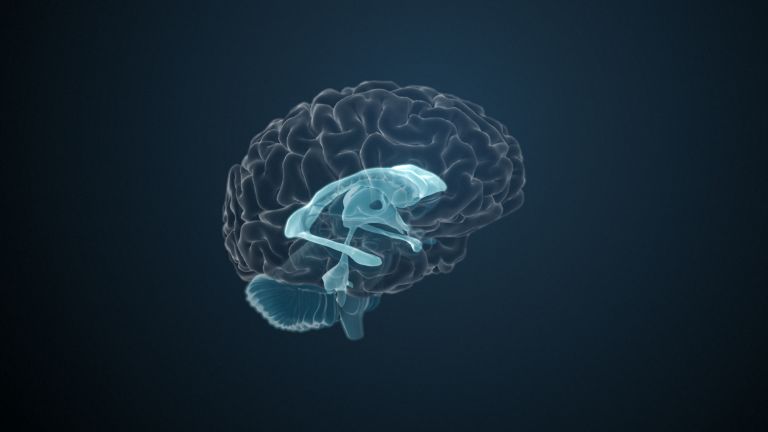
The Ventricular System
What's hiding in our brains? An alien wearing a helmet! Or a human with ram's horns?
20.09.2025
-
- Discover
- Milestones
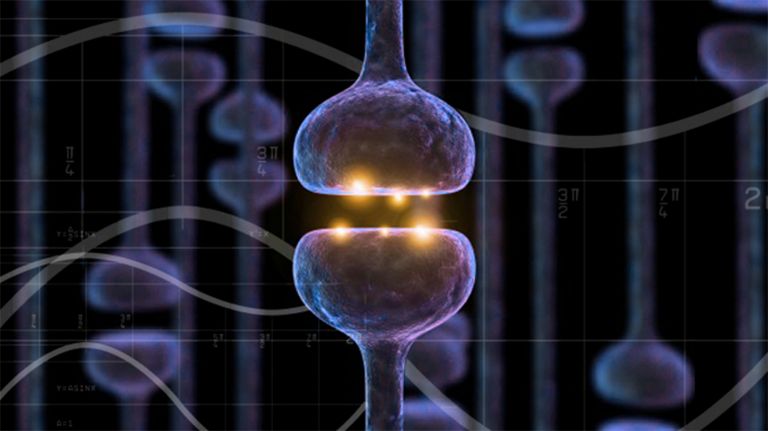
John Eccles: Across the Gap
John Eccles disproved his own theories. In doing so, he helped to elucidate synaptic transmission.
06.06.2013
-
- Basics
- Structure and Function
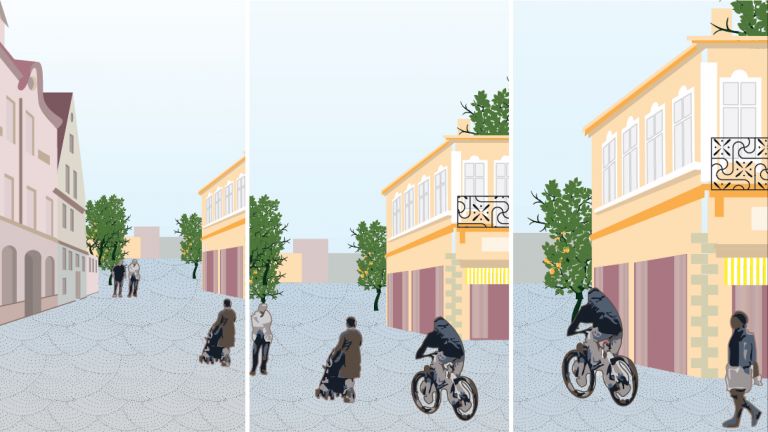
Senses in Motion
Motor skills play a bigger role in vision than previously thought
21.12.2021
-
- Glossary
Dura mater
The outermost of the three membranes covering the brain and spinal cord. Consists of connective tissue.
-
- Glossary
Periaqueductal gray
A core area in the brain stem that is involved in defensive behavior and fear and flight reflexes via close connections to the limbic system. It also plays an important role in pain suppression by regulating signals from the spinal cord to the brain. It is considered an endogenous pain control system and is an important target for medication.
-
- Glossary
dorsal
The positional term dorsal means "towards the back." In relation to the nervous system, it refers to a direction perpendicular to the neural axis, i.e., upwards towards the head or backwards.In animals that do not walk upright, the term is simpler, as it always means toward the back. Due to the upright posture of humans, the brain bends in relation to the spinal cord, making dorsal mean "upward."
-
- Glossary
Pons
Area in the brain stem between the medulla oblongata and the mesencephalon. It acts as a switching station for many nerve pathways between the brain and spinal cord and contains numerous nuclei, including cranial nerves and those involved in controlling motor function in cooperation with the cerebellum.
-
- Glossary
ventral
A positional term – ventral means "towards the abdomen." In relation to the nervous system, it refers to a direction perpendicular to the neural axis, i.e., downwards or forwards. In animals (that do not walk upright), the term is simpler, as it always means toward the abdomen. Due to the upright posture of humans, the brain bends in relation to the spinal cord, making ventral mean "forward."