Search
-
- Glossary
Anterior nuclei
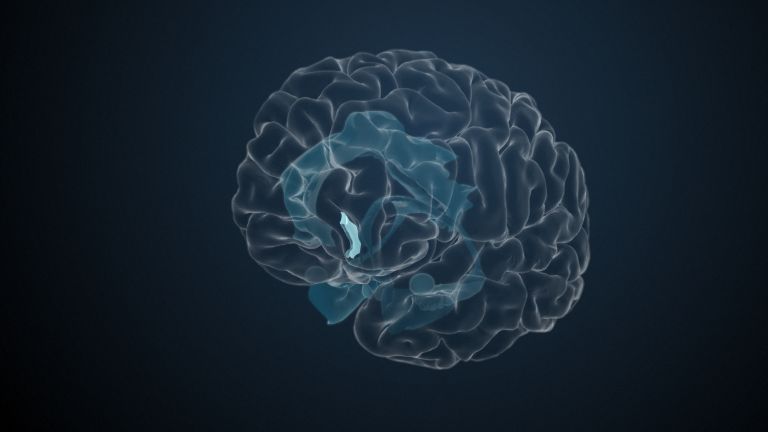
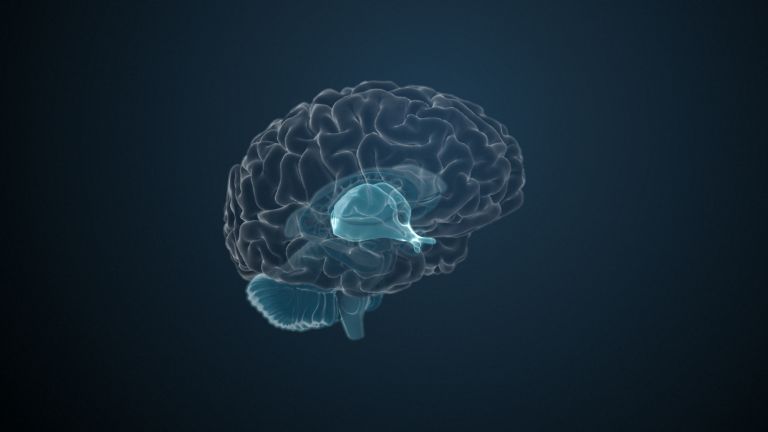
This anterior, or front, core group of the thalamus maintains fiber connections with limbic areas, especially the hippocampus and the cingulate gyrus. It is considered an important hub of the limbic system.
-
- Glossary
Cingulate gyrus
The cingulate gyrus is an important part of the limbic system in the cerebrum. This strip of cortex runs medially in the cerebrum, directly above the corpus callosum. Among other things, it is involved in emotions and memory. Through its connections to limbic and autonomic centers, it can also influence autonomic responses (e.g., heart rate, blood pressure). The anterior (front) region in particular is also associated with attention, motivation, error monitoring, and emotion regulation.
-
- Glossary
Periaqueductal gray
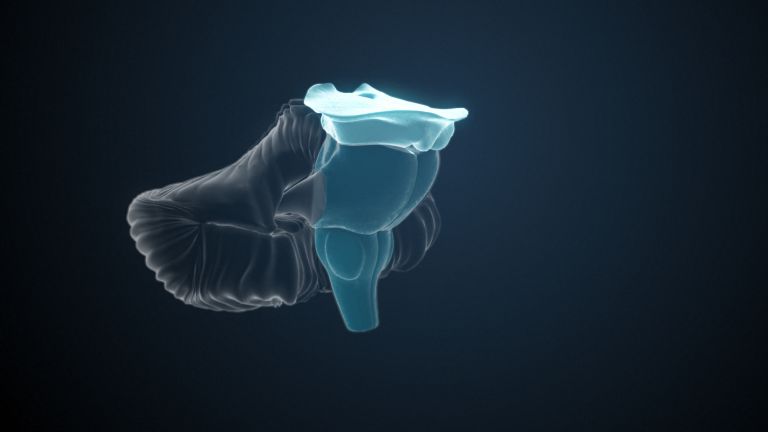
A core area in the brain stem that is involved in defensive behavior and fear and flight reflexes via close connections to the limbic system. It also plays an important role in pain suppression by regulating signals from the spinal cord to the brain. It is considered an endogenous pain control system and is an important target for medication.
-
- Basics
- Anatomy
The Septum
The core areas of the septum are located at the interface between the hypothalamus and hippocampus.
09.10.2025
-
- Basics
- Anatomy
The Mesencephalon
Important neurotransmitters, an astonishing array of colors, and a water pipe – that's the midbrain.
20.09.2025
-
- Basics
- The Developing Brain
Children in the Lab
Brain research. It’s not easy to conduct. Especially when it comes to young children.
18.03.2026
-
- Basics
- Anatomy
The Diencephalon
The diencephalon has four levels and performs a variety of tasks.
28.11.2025
-
- News
- Question to the brain
What does Heat do to the Brain?
I have read that heat waves can affect mental health. How so? Can this also affect healthy people?
22.07.2024
-
- Page
Home
24.02.2017
-
- Basics
- The Developing Brain
The invisible Bond
Emotional bond – the essential connection between children and parents.
18.03.2026