Search
-
- Basics
- The Glymphatic System
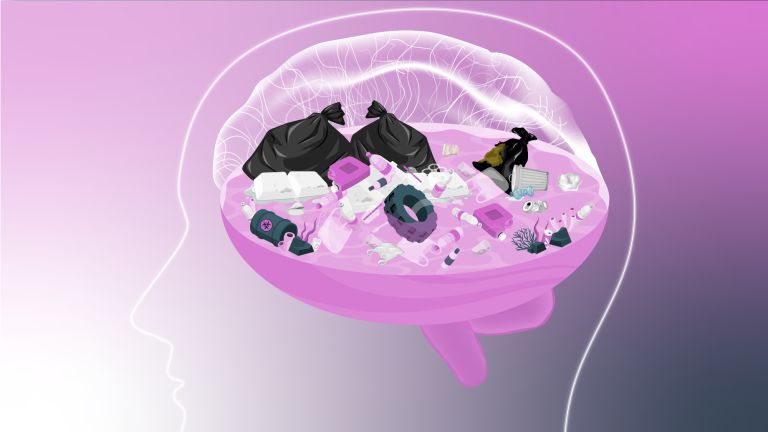
When the Brain gets clogged with Waste
Not even a coffee cup full of “nerve water” can flush out the brain at night – but woe betide you if you don't.
06.11.2024
-
- Act
- Sports
Sport: An all-around Happiness Package for Body and Mind
Exercise has positive effects at any age – so it's never too late to get started.
01.09.2021
-
- News from the Institutes
Limited Connections: How Stress Affects Our Brain
New Study on Linking Information
01.06.2026
-
- Basics
- Structure and Function
Connecting Nerves
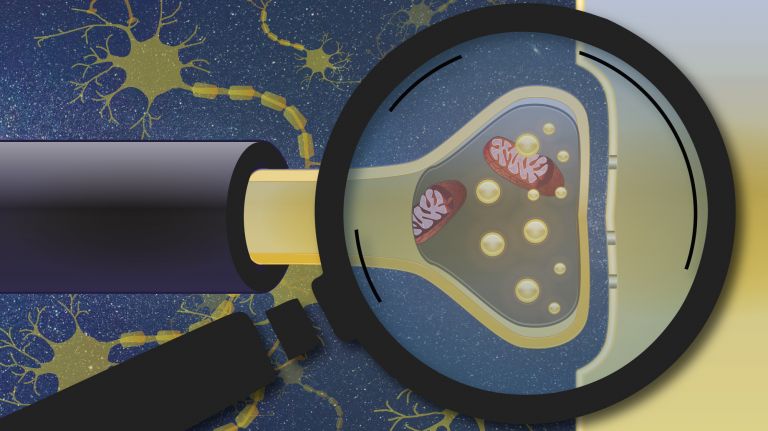
Learning is as spiny path – as synapses vividly illustrate.
01.12.2020
-
- Basics
- Communication of Cells
On the Scent of Cell Communication
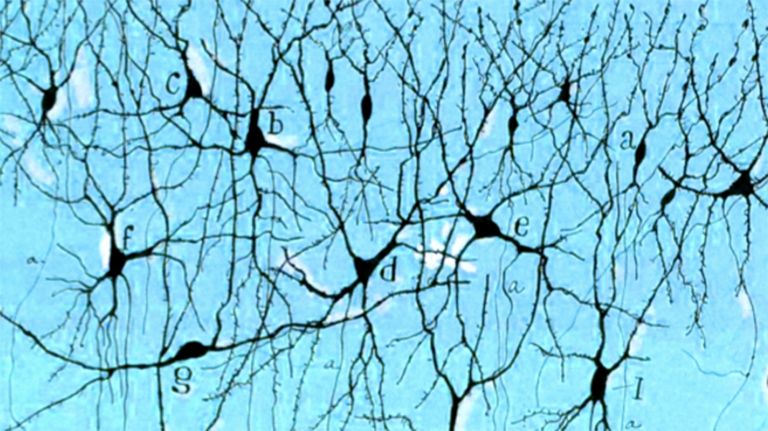
A lot has to happen before nerve cells reveal their secrets. A historical review.
22.12.2023
-
- Percieve
- Smell & Taste
Smell and Taste – often underestimated
The role that smells and tastes play in our everyday lives.
06.09.2025
-
- News from the Institutes
Why deep sleep promotes our memory
Slow brain waves make neocortex especially receptive
12.12.2024
-
- Glossary
Allocortex
A phylogenetically ancient region of the cortex (cerebral cortex) which, unlike the isocortex (also called neocortex), has fewer than six cell layers – in the hippocampus, for example, only three. The allocortex is divided into the paleocortex and archicortex, as well as the periallocortex, which is a transitional form between the allocortex and isocortex.
-
- Glossary
Ammon's horn
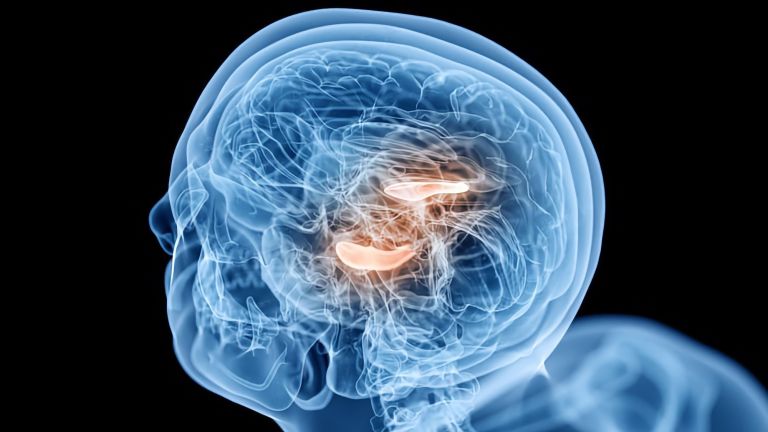
Part of the cerebrum, specifically the front end of the hippocampus. The Cornu Ammonis is divided into fields CA1 to CA4. It owes its name to its shape, which resembles the horn of an ammon sheep.
-
- Glossary
Fornix
The fornix is a nerve pathway consisting of approximately 12 million fibers that connects the hippocampus (one of the oldest structures in the brain in evolutionary terms) and subiculum with the septum and mammillary bodies.