Search
-
- Basics
- Structure and Function
The Nervous System – A Master of Adaptation
The adult brain, too, is constantly restructuring itself, thereby enabling lifelong learning.
05.05.2026
-
- Basics
- Structure and Function
Future Regeneration
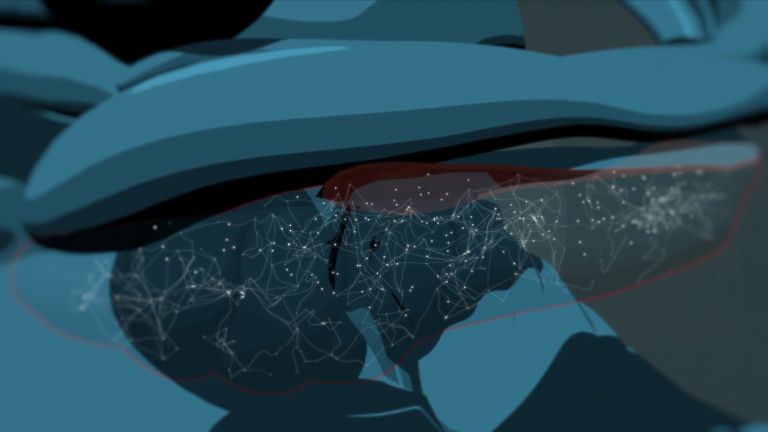
The brain is amazing, but vulnerable – which makes effective treatments all the more important. In fact, there is hope: stem cell therapy works in mice.
30.04.2020
-
- Basics
- Anatomy
The Cerebellum
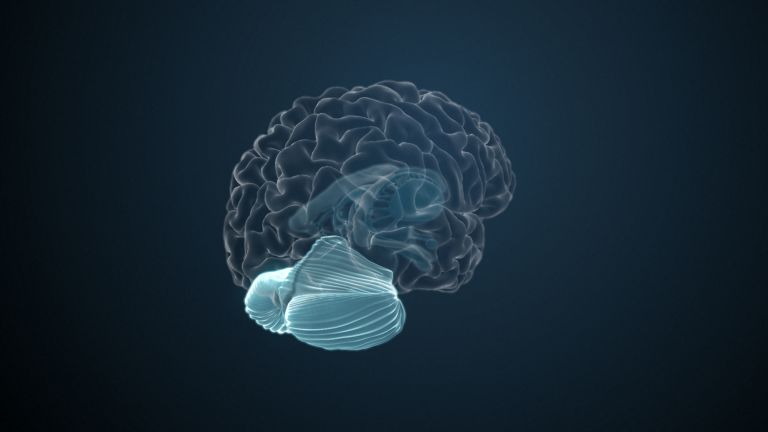
Highly aesthetic, but long underestimated: the cerebellum does more than just coordinate movements.
05.08.2025
-
- News from the Institutes
Intermittent Fasting Increases Sex Drive in Male Mice
Current findings could point the way for new therapy option / Serotonin plays key role
28.03.2025
-
- Basics
- Anatomy
The Sheep Brain: Brain Stem
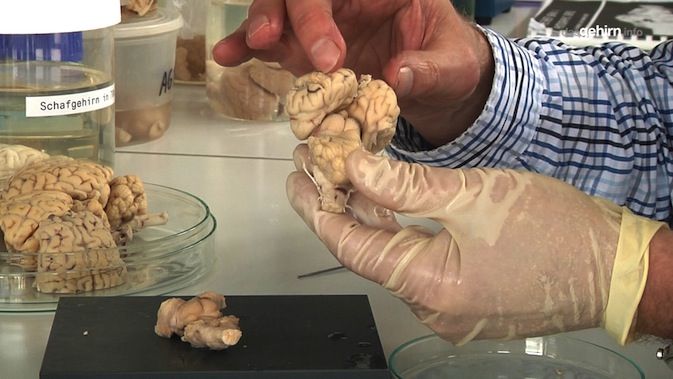
It fulfills central tasks. And has adult-only structures. And colorful nuclei.
29.06.2013
-
- Basics
- Anatomy
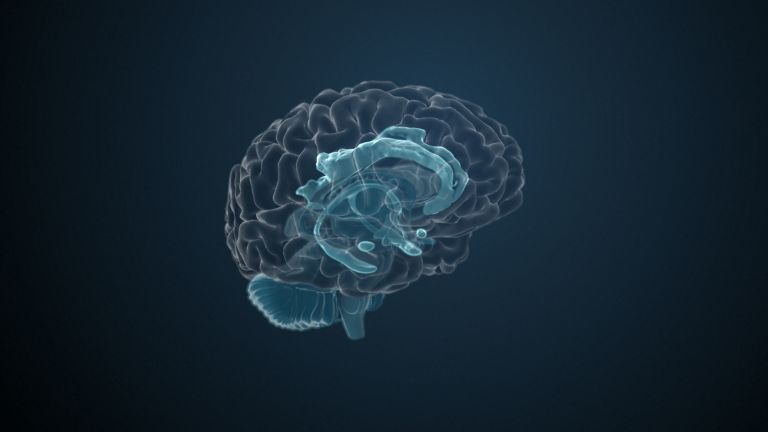
The Limbic System
The limbic system does not solely control our emotional life. It also has other functions.
22.12.2023
-
- Act
- Motor Skills
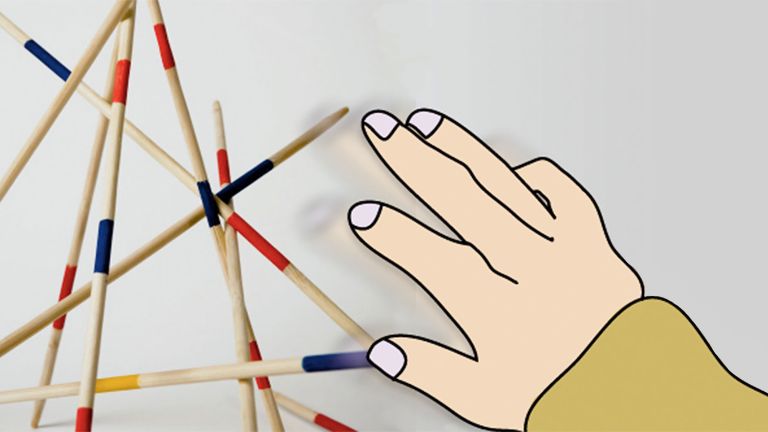
Motor Fine Tuning: the Modulation of Movements
The cerebellum and basal ganglia are responsible for the precise execution of movements.
01.12.2025
-
- News from the Institutes
New Insights into the Molecular Basis of Ataxia
Receptor responsible for stress-induced motor incoordination in people with ataxia identified.
10.10.2025
-
- Basics
- Anatomy
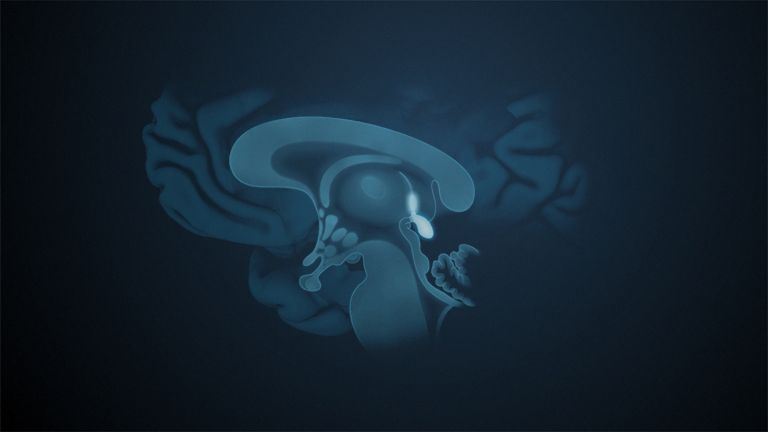
The Epithalamus
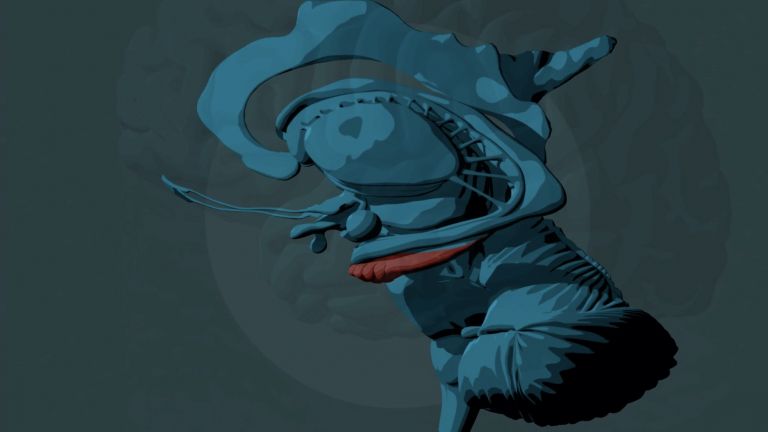
Probably not the seat of the soul after all: the pineal gland in the epithalamus.
09.10.2025
-
- Diseases
- Multiple sclerosis
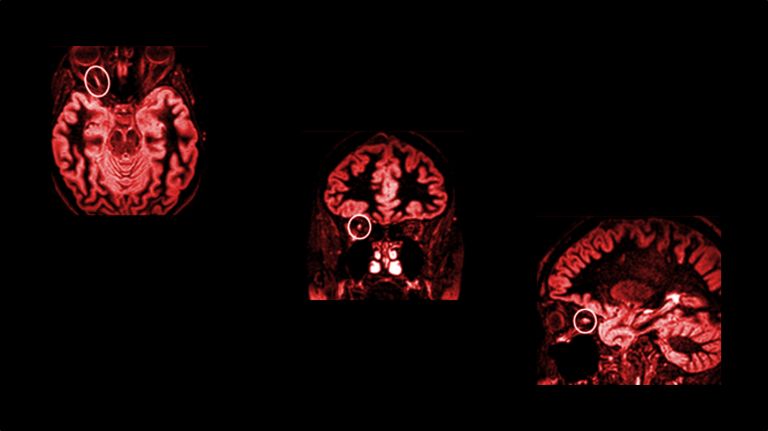
MS under the microscope
MS: Damage to the axon causes a wide variety of symptoms
15.08.2025