Search
-
- Glossary
Saccade
Rapid eye movement, which usually occurs unconsciously. It is a quick and jerky movement of the eyes, in which the eye spontaneously focuses on an object. When reading, for example, the eyes jump from one short word to the next. During a saccade, visual information processing is greatly reduced.
-
- Basics
- Structure and Function
Senses and Actions
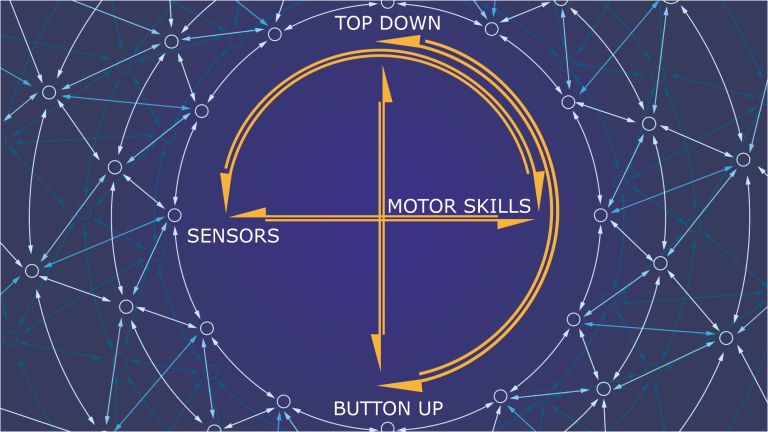
To prevent animals from bumping into one another, their sensory organs and motor skills are in constant communication.
18.12.2021
-
- News from the Institutes
Structure of clusterin: a key protein against neurodegenerative diseases
Crystallographic three-dimensional structure of human clusterin determined for the first time
08.09.2025
-
- Percieve
- Smell & Taste
Neurogastronomy – the New Science of Taste
Neurogastronomy explores how the brain makes humans gourmets.
02.09.2025
-
- Discover
- Milestones
Alcmaeon: Pioneer of experimental Brain Research
The ancient philosopher Alcmaeon of Croton founded scientific brain research.
28.01.2014
-
- Basics
- Anatomy
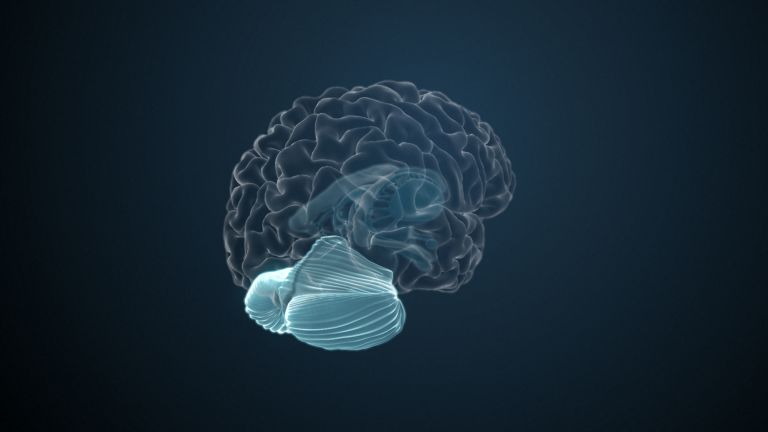
The Cerebellum
Highly aesthetic, but long underestimated: the cerebellum does more than just coordinate movements.
05.08.2025
-
- News from the Institutes
Carbohydrate Cravings in Depression
Researchers from Bonn and Tübingen investigate the dietary preferences of depressed people
05.02.2025
-
- Basics
- Communication of Cells
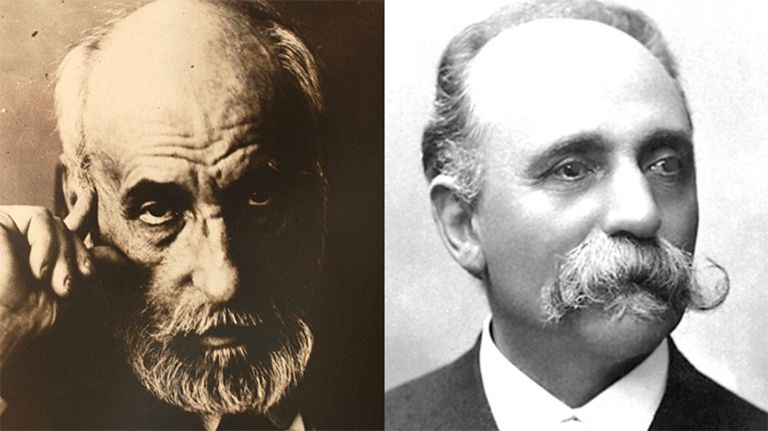
The battle over the neuron doctrine
The neuron doctrine is considered a fundamental idea in brain research – and has caused controversy.
26.08.2025
-
- Percieve
- Hearing
What we actually hear
Our ears are always tuned in. But what exactly are they picking up?
03.10.2025
-
- Basics
- Anatomy
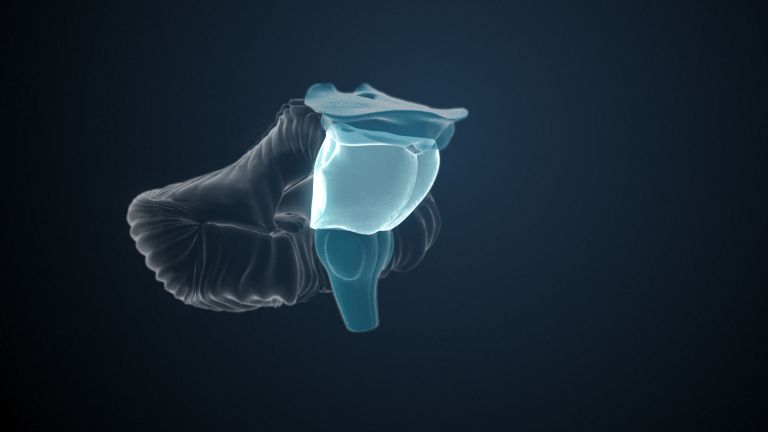
The Pons
The name is not correct, but it is involved in motor function, taste, and important vegetative functions.
20.09.2025