Search
-
- Topic
Traumatic Brain Injury
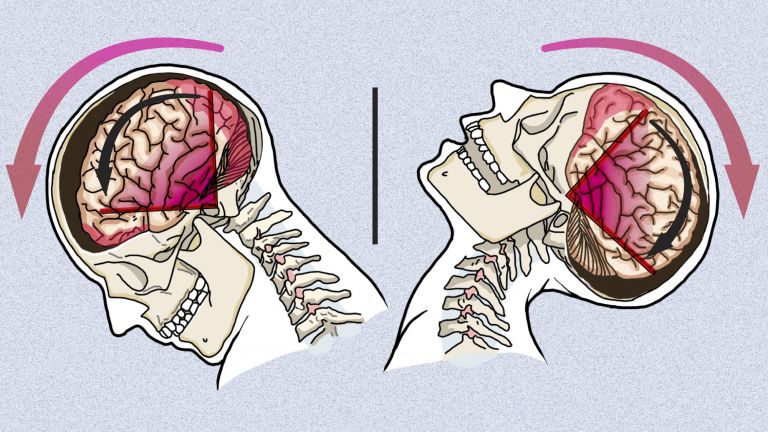
From concussions and traumatic brain injuries to chronic traumatic encephalopathy (CTE), also known as boxer's syndrome.
-
- News
- Question to the brain
What happens during a brain hemorrhage?
Why is a brain hemorrhage so dangerous? And what can be done about it?
18.02.2024
-
- Basics
- Structure and Function
Future Regeneration
The brain is amazing, but vulnerable – which makes effective treatments all the more important. In fact, there is hope: stem cell therapy works in mice.
30.04.2020
-
- Diseases
- Successful aging
Molecular Detectives
We are our memories. But neural firing alone cannot unravel the traces of memory.
01.02.2026
-
- News from the Institutes
Insights into Smelling Problems Associated with Alzheimer’s
Tests of the sense of smell could help identify people who are developing Alzheimer’s at an earlier stage
15.08.2025
-
- News from the Institutes
Insights into Smelling Problems Associated with Alzheimer’s
Tests of the sense of smell could help identify people who are developing Alzheimer’s at an earlier stage
15.08.2025
-
- News from the Institutes
Insights into Smelling Problems Associated with Alzheimer’s
Tests of the sense of smell could help identify people who are developing Alzheimer’s at an earlier stage
15.08.2025
-
- Percieve
- Hearing
Full Blast to the Ears
Noise not only makes you ill, it also damages your brain.
18.11.2025
-
- Glossary
Huntington's disease
Huntington's disease is a progressive and fatal hereditary disease that manifests itself in the brain. It is characterized by dyskinesia, dementia, and behavioral and psychological changes. To date, there is no cure, although scientists have a relatively good understanding of its molecular causes. The Huntington's gene of those affected contains up to 200 copies of a specific base triplet (group of three bases). This causes the cells to produce a defective protein, which primarily forms deposits in the striatum of the brain. This leads to degeneration of the neurons in the basal ganglia and the cortex.
-
- Glossary
Confabulation
Confabulation refers to a memory or explanation that the person concerned is completely convinced is true, but which is objectively false. There is no conscious intent to deceive behind this. The cause is usually medical, such as damage to the orbitofrontal or other frontal brain areas, amnestic syndrome (e.g., Korsakoff's syndrome), traumatic brain injury, or dementia.