Search
-
- Basics
- Structure and Function
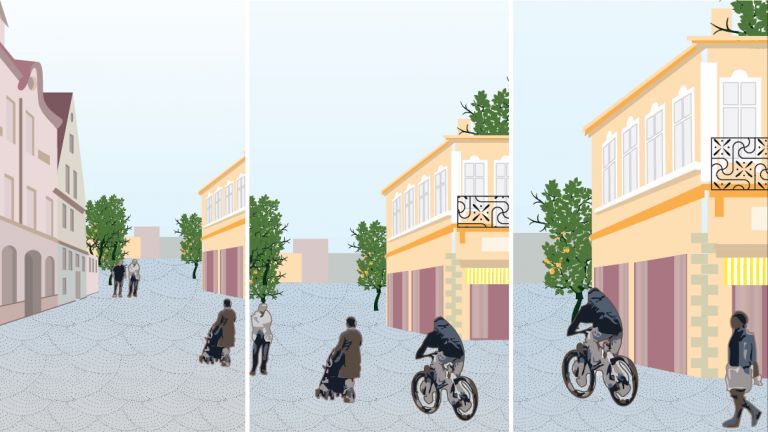
Senses in Motion
Motor skills play a bigger role in vision than previously thought
21.12.2021
-
- Basics
- Anatomy
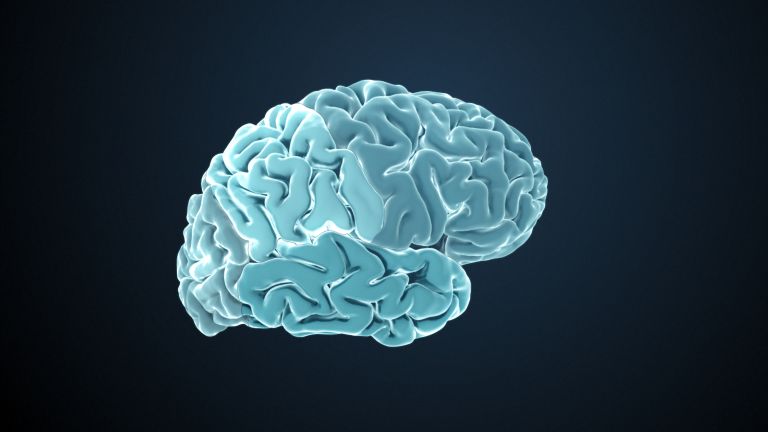
The Cortex
The brain's control center, seat of perception, consciousness, and behavior
20.09.2025
-
- Think
- Consciousness
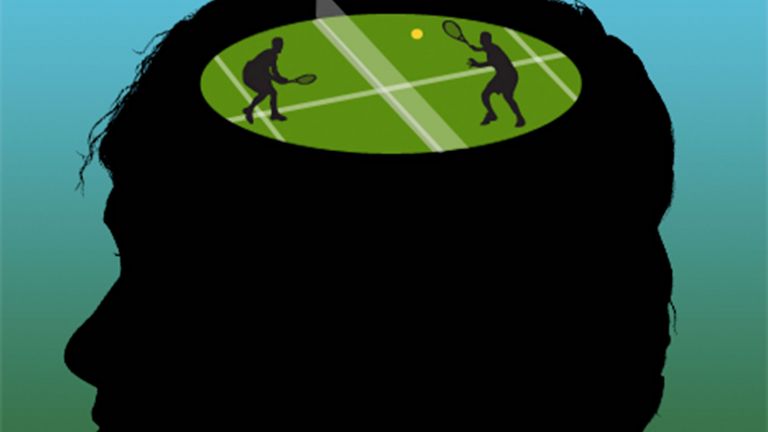
Playing Tennis in a vegetative State
Adrian Owen and colleagues use brain scans to search for the hidden minds of coma patients.
12.06.2025
-
- Glossary
Medial geniculate nucleus
The medial geniculate nucleus (medial geniculate body) is a nucleus of the thalamus (the largest part of the diencephalon). As the central switching point of the auditory pathway, it transmits impulses from the inferior colliculus to the auditory radiation. Together with the lateral geniculate body, it forms the metathalamus.
-
- Glossary
Dorsolateral PFC
The dorsolateral prefrontal cortex is the upper (dorsal) and lateral part of the frontal lobe. It is involved in the planning and regulation of complex motor and intellectual actions. According to one experiment, this also seems to include lying. The dorsolateral PFC regulates these and other abilities in coordination with many other areas of the brain with which it is closely linked.
-
- Glossary
Horizontal cell
Horizontal cells are nerve cells in the retina. They form a lateral connection between photoreceptors and bipolar cells. In this way, they increase the contrast of what is seen.
-
- Glossary
Ventrolateral nuclei
The lower lateral nucleus group of the thalamus is responsible for motor function (movement). It receives inputs from the cerebellum and basal ganglia and has outputs to motor and premotor areas of the cerebral cortex.
-
- Glossary
Operculum
Cortical areas of the frontal, temporal, and parietal lobes at the lateral sulcus. The operculum covers the insular cortex.
-
- Glossary
Orbitofrontal cortex
A convolution in the orbitofrontal cortex of the cerebral cortex, located anatomically behind the eyes. The orbitofrontal cortex plays a crucial role in decision-making and monitoring social interactions and is correspondingly complex in structure. It consists of four different substructures: the medial, lateral, anterior, and posterior orbital gyri, as well as the rectus gyrus.
-
- Glossary
Pallidum
The "pale nucleus" (pallidum = pale) is classified as part of the basal ganglia due to its functional integration and, in terms of evolutionary development, belongs to the telencephalon. It has an inner (medial) and an outer (lateral) segment, which mainly transmit inhibitory impulses to modulate the activity of other parts of the basal ganglia and thalamus.