Search
-
- News from the Institutes
How does our brain regulate generosity?
The “basolateral amygdala”, a part of the limbic system, plays an important role in this.
14.04.2025
-
- Think
- Emotions
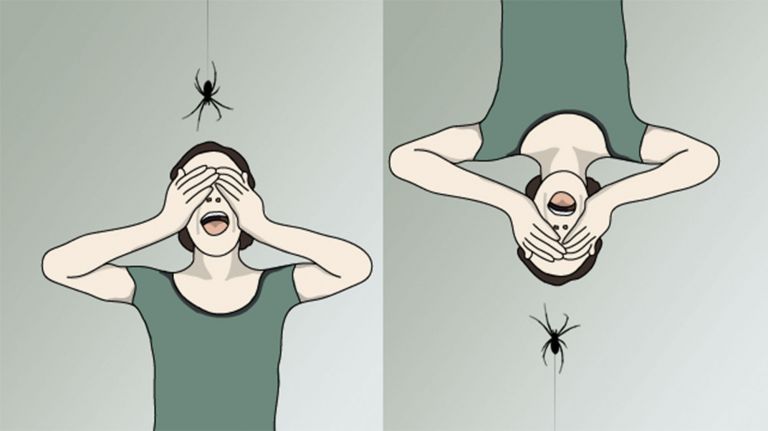
Two Pathways of Fear
Fear is a powerful emotion – it can save lives. Or lead you astray.
30.08.2011
-
- Glossary
Amygdala
An important core area in the temporal lobe that is associated with emotions: it evaluates the emotional content of a situation and reacts particularly to threats. In this context, it is also activated by pain stimuli and plays an important role in the emotional evaluation of sensory stimuli. Inaddition, it is involved in linking emotions with memories, emotional learning ability, and social behavior. The amygdala is part of the limbic system.
-
- Basics
- Anatomy
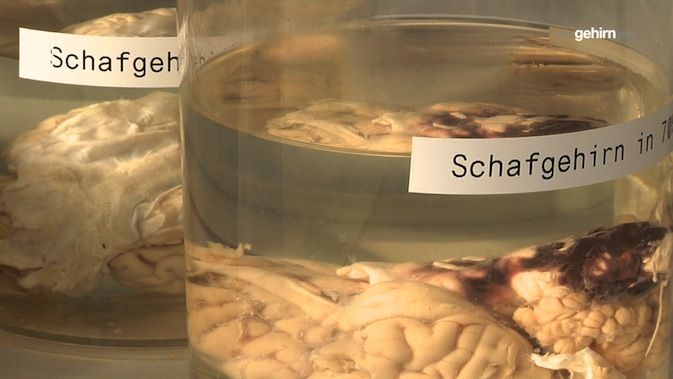
The Sheep Brain: Limbic System
There are not only systems for sensory and motor functions, but also one for emotions. Really?
29.06.2013
-
- Page
The Team
20.03.2017
-
- Basics
- Anatomy
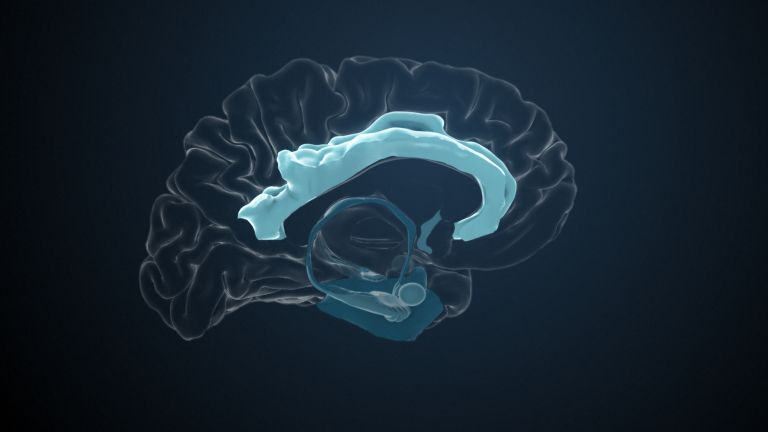
The Cingulate Gyrus
When paying attention, experiencing pain, or feeling emotions, the cingulate gyrus on the inside of the cortex becomes active.
22.09.2023
-
- Percieve
- Smell & Taste
Smell and Taste – often underestimated
The role that smells and tastes play in our everyday lives.
06.09.2025
-
- Think
- Emotions
Learning the Meaning of Fear
The story of the brain that went forth to learn what fear was.
21.08.2025
-
- Percieve
- Hearing
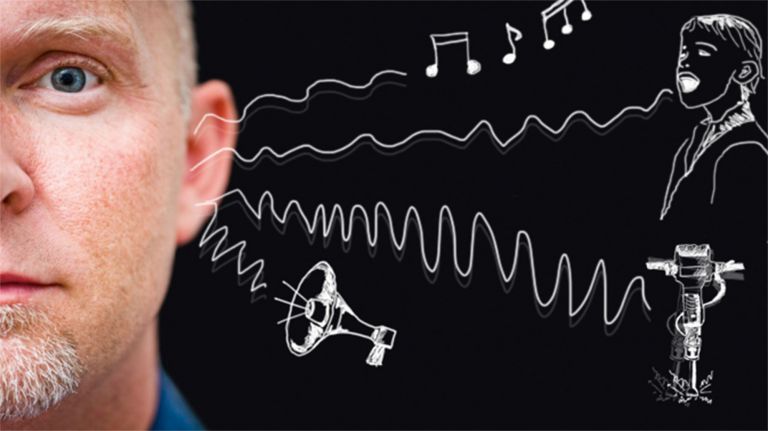
Hearing – more than just Sound and Vibration
The brain creates a colorful world of sounds from minimal acoustic input.
17.10.2025
-
- Think
- Emotions
Researching Disgust
Does disgust protect us from pathogens, or is it the most malicious of all emotions?
25.10.2025