Search
-
- Basics
- Anatomy
The Insular Lobe
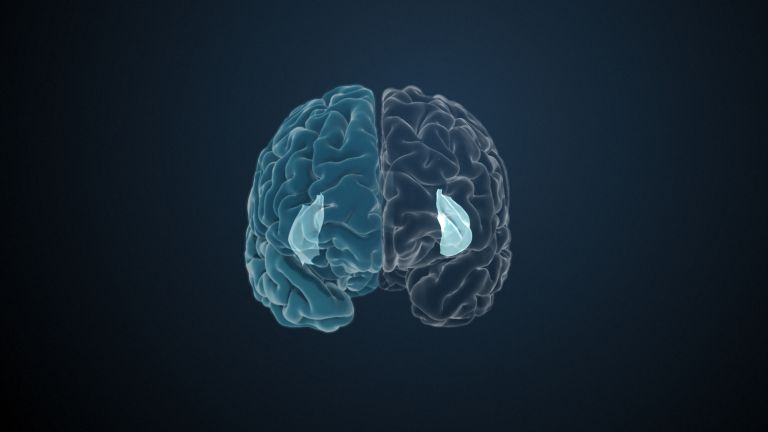
Deeply hidden in the temporal lobe lies the insular cortex: ancient, versatile, and full of surprises.
08.07.2025
-
- Percieve
- Smell & Taste
Smell and Taste
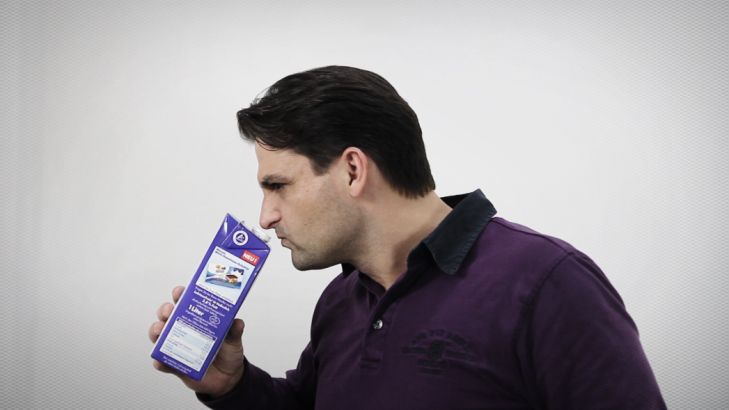
A heavenly, almost magical apple pie introduces you to the world of smell and taste.
30.11.2013
-
- Basics
- Anatomy
The Pons
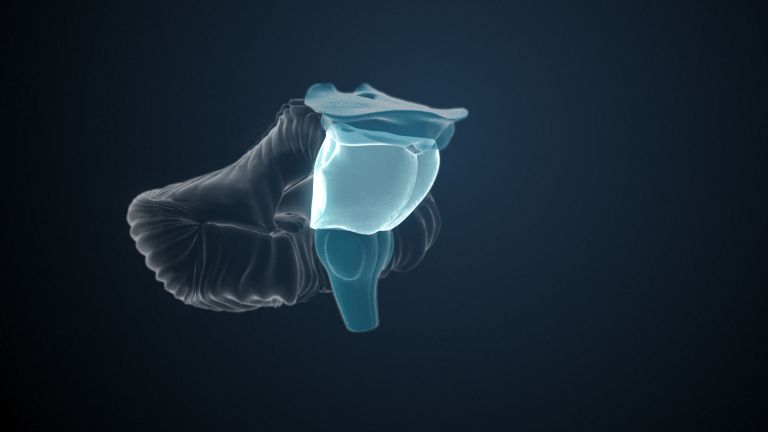
The name is not correct, but it is involved in motor function, taste, and important vegetative functions.
20.09.2025
-
- Glossary
Chemoreceptor
Receptor that responds to chemical stimuli, e.g., taste or smell receptors. Chemoreceptors are also found in internal organs, such as the intestines and liver.
-
- Glossary
Insula
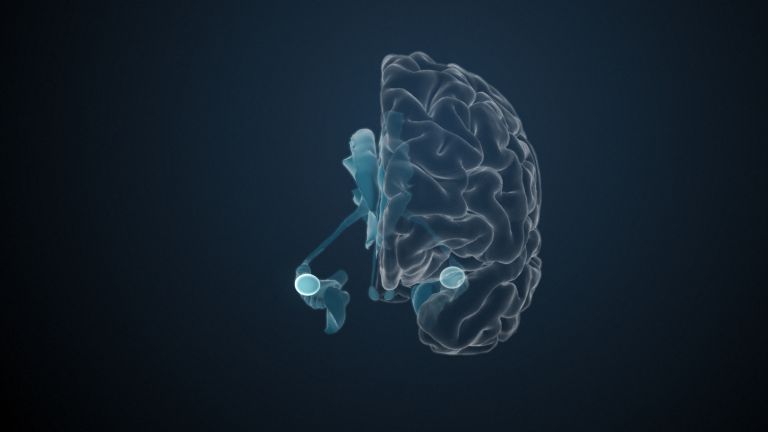
The insula is a recessed part of the cortex (cerebral cortex) that is covered by the frontal, temporal, and parietal lobes. This overlay is called the opercula (lid). The insula influences the motor and sensory functions of the intestines and is considered to be the link between cognitive and emotional elements in pain processing. It is also involved in processes such as taste and physical self-awareness.
-
- Glossary
Nucleus tractus solitarius
A nucleus in the medulla oblongata that serves as an important integration center for visceral information. Among other things, it processes taste stimuli (via nerves VII, IX, and X) and transmits them via the thalamus (ventral posteromedial nucleus, VPM) to the primary gustatory cortex. The NTS is also involved in the motor functions of swallowing, coughing, and respiratory control by transmitting signals to motor nuclei such as the nucleus ambiguus. These reflexes serve to protect the respiratory tract and facilitate food intake.
-
- Glossary
Primary gustatory cortex
Term for the areas of the insular cortex where information from the taste receptors is processed. Further processing takes place in the secondary gustatory cortex in the orbitofrontal cortex.
-
- Topic
Basics
Basics – we understand this in two ways: On the one hand, you will find here anatomy and physiology – communication in the brain – all the structures and processes on which perception, thinking, and action are based. This also includes the “other” brain cells, the glial cells, which have been criminally neglected for decades. And, of course, the networks, because they are currently the best model we have for understanding the organization of the brain. As an appendage to this spectrum, so to speak, we also describe the scientific methods, the toolbox of neuroscientists. Obviously, the better the methods, the more we can find out. Perhaps even more fundamental for us as individuals is the development of the brain: childhood as the basis – including an instruction manual for babies – for our entire lives. Puberty as the basis for at least our taste in music, and not least with the reminder that it too will pass. And, of course, old age. Read for yourself. But please note: Not all our topics are translated in English yet – there are over 80. Please allow a little time ...
-
- Diseases
- Intruders
SARS-CoV-2: A Virus Hitting the Brain, too
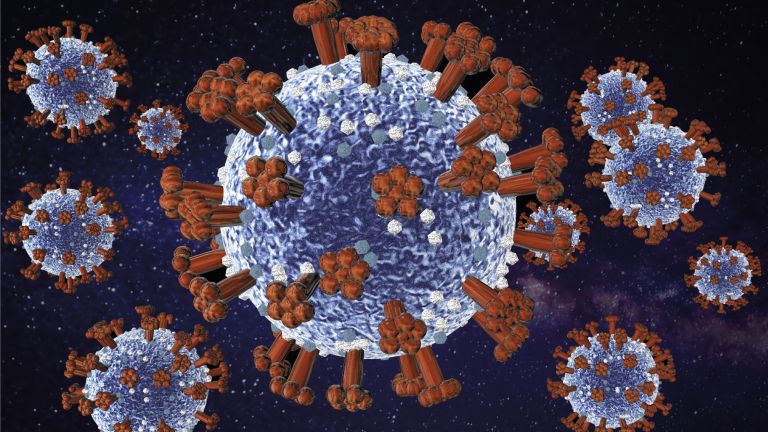
Many patients suffer from neuropsychiatric symptoms (Long COVID) after COVID-19
29.07.2026
-
- Basics
- Anatomy
The Amygdala
Without the amygdala, humans lose their sense of fear. With the amygdala, they also recognize the fear of others.
22.12.2023