Search
-
- News from the Institutes
Insights into Smelling Problems Associated with Alzheimer’s
Tests of the sense of smell could help identify people who are developing Alzheimer’s at an earlier stage
15.08.2025
-
- News from the Institutes
Insights into Smelling Problems Associated with Alzheimer’s
Tests of the sense of smell could help identify people who are developing Alzheimer’s at an earlier stage
15.08.2025
-
- News from the Institutes
AI looks deeper into visual system
Artificial intelligence models provide insights to understand the processing of visual stimuli in the brain
10.04.2025
-
- Basics
- Communication of Cells
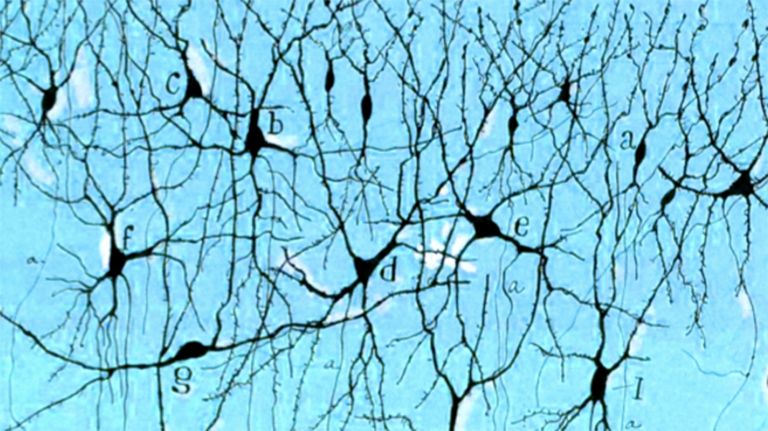
On the Scent of Cell Communication
A lot has to happen before nerve cells reveal their secrets. A historical review.
22.12.2023
-
- Basics
- Anatomy
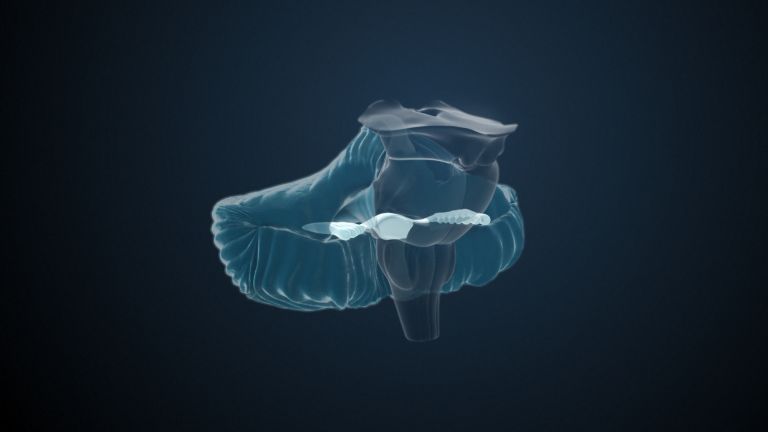
The Flocculonodular Lobe
The oldest part of the cerebellum is primarily concerned with balance.
05.08.2025
-
- Diseases
- Multiple sclerosis
Video | Multiple Sclerosis
A healthy life depends on the free flow of nerve impulses. However, multiple sclerosis damages nerve fibers in many places, with ever-changing consequences. Thanks to modern medicine, however, it is possible to live almost normally for a long time with MS.
01.05.2017
-
- Basics
- Structure and Function
Structure and Function – Neurons
Different tasks require different cell types, some of which differ greatly in their biophysical properties and are highly specialized.
27.09.2021
-
- Glossary
Acetylcholine
Acetylcholine is one of the most important neurotransmitters in the nervous system. In the central nervous system, it is involved in attention, learning, and memory; in the peripheral nervous system, it transmits excitation from nerves to muscles at the neuromuscular end plates and controls processes of the autonomic nervous system, i.e., the sympathetic and parasympathetic parts. Areas in which acetylcholine acts as a messenger substance are called cholinergic. It was the first neurotransmitter to be discovered, identified in 1921 by Otto Loewi in the heart of a frog.
-
- Glossary
Adrenaline
Along with dopamine and norepinephrine, it belongs to the catecholamines. Adrenaline, also known as epinephrine, is the classic stress hormone. It is produced in the adrenal medulla and causes an increase in heart rate and heartbeat strength, thus preparing the body for increased stress. In the brain, adrenaline also acts as a neurotransmitter (messenger substance), where it binds to so-called adrenoreceptors.
-
- Glossary
Biomarker
In medicine, a biomarker is a substance that provides information about the physiological state of an organism. Biomarkers can either be produced in the body itself or describe chemical compounds that doctors introduce into the body to test certain physiological functions. Several indicators, for example, are being discussed as possible biomarkers for Alzheimer's disease. These include the concentration of soluble amyloid precursor protein in the blood and the activity of the enzyme that cleaves the precursor protein to produce plaque-forming beta-amyloid. Disease-related changes detected by imaging techniques are also often referred to as biomarkers. For example, the breakdown of brain tissue can be detected by MRI.