Search
-
- Percieve
- Smell & Taste
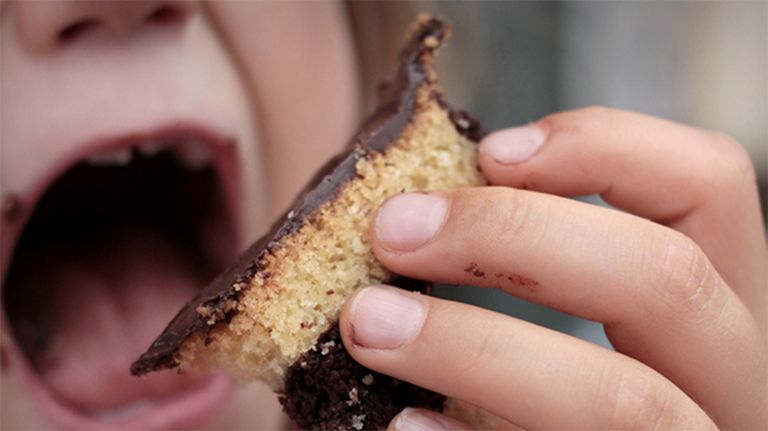
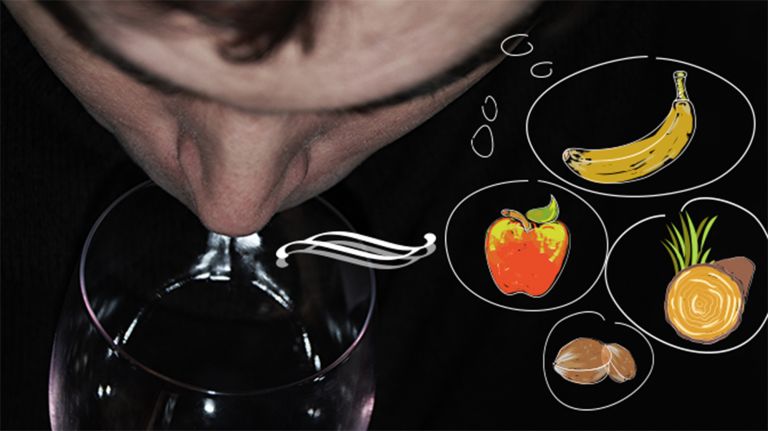
The Secret of Taste Perception
We don't just taste with our tongues. Many senses work together to create the taste experience.
02.09.2025
-
- News from the Institutes
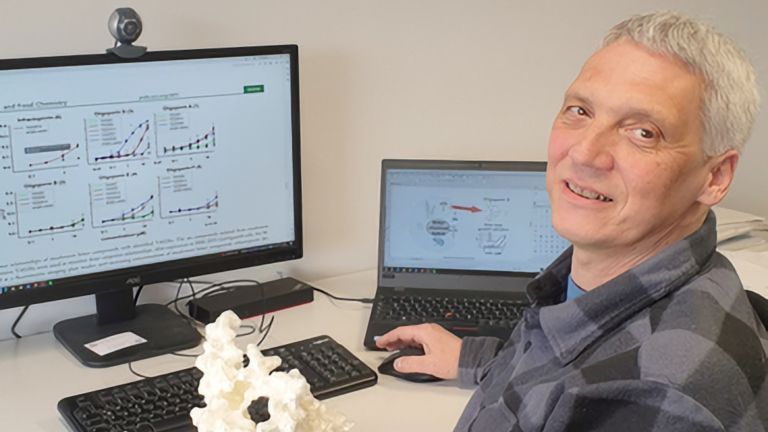
New Highly Effective Bitter Compound Identified
Mushroom study expands knowledge of natural bitter compounds
07.04.2025
-
- Basics
- Structure and Function
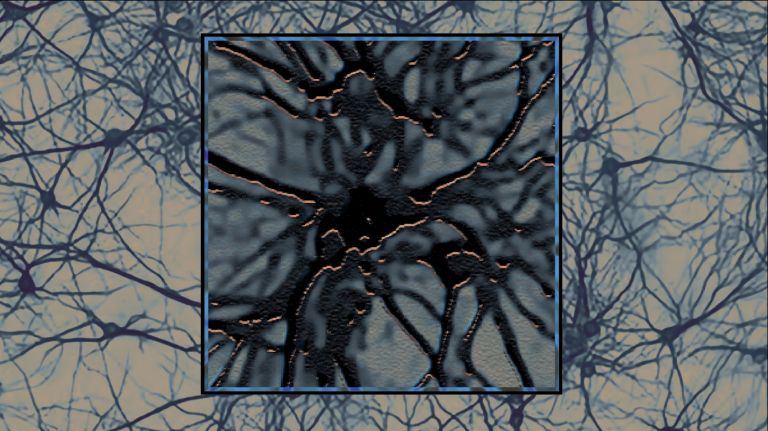
The Secret to Success: Communication
No other cell type is better at juggling signals: The neuron is both a data octopus and a supercomputer.
01.12.2020
-
- Act
- Motor Skills
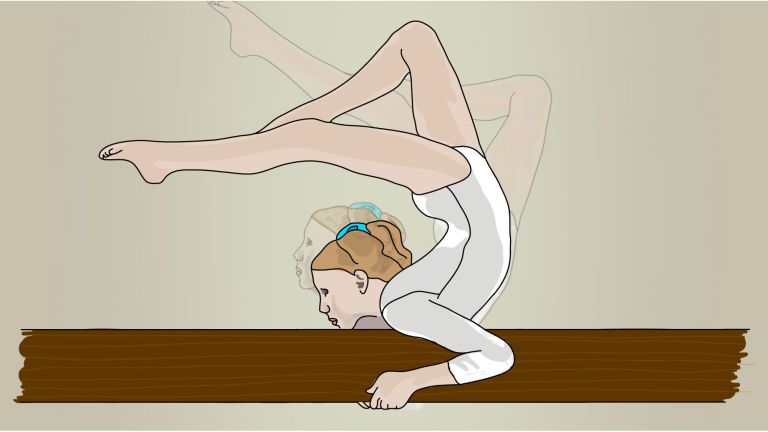
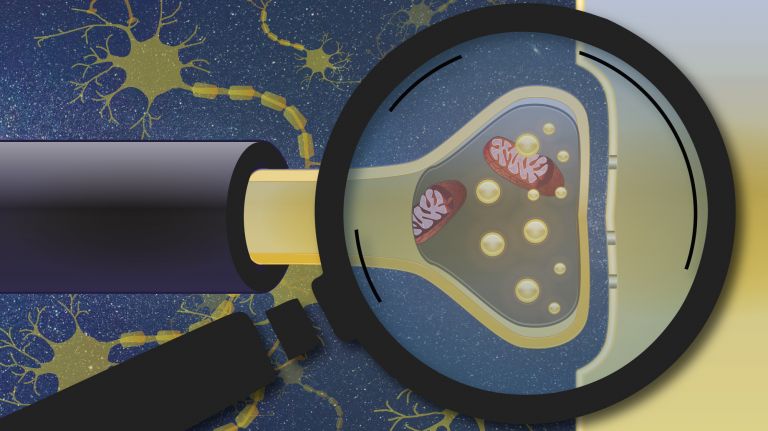
Highway through the Spinal Cord
Thanks to motor pathways from the brain to the spinal cord, we can move at lightning speed.
01.12.2025
-
- Basics
- The Glymphatic System
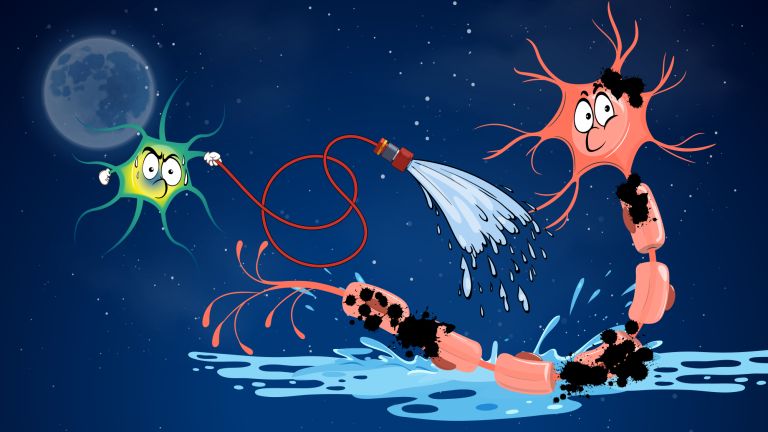
The Brain’s Cleanup Crew
The glymphatic system is the brain's cleanup crew, flushing away waste products.
06.11.2024
-
- Basics
- Structure and Function
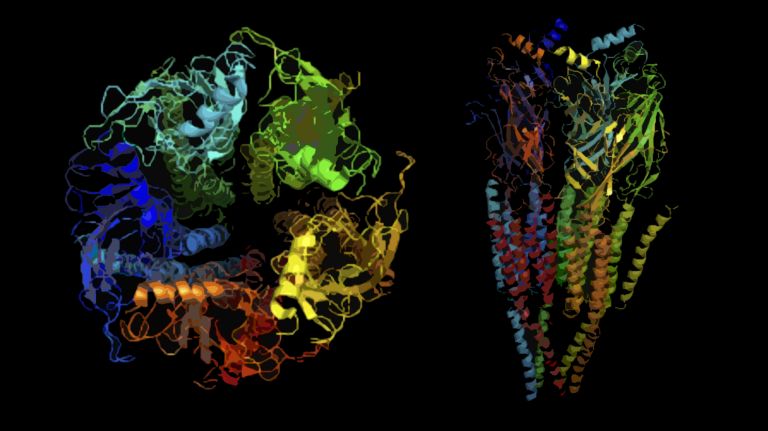
Communication Gaps: Ion Channels
Complex proteins span the membranes of nerve cells. Without these ion channels, literally nothing works.
01.12.2020
-
- Basics
- Structure and Function
Connecting Nerves
Learning is as spiny path – as synapses vividly illustrate.
01.12.2020
-
- Basics
- Communication of Cells
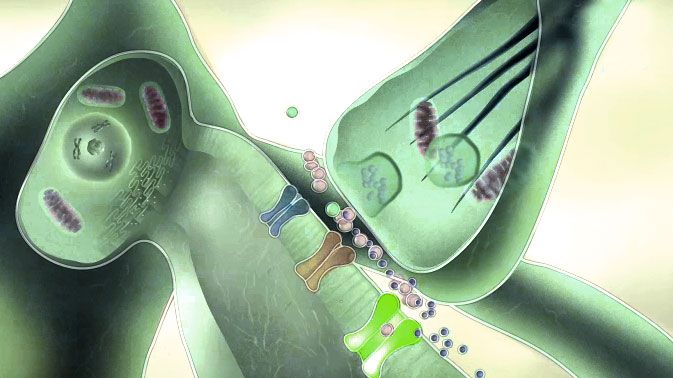
Nerve Cells in Conversation
No chaos despite sensory overload – neurons communicate silently, efficiently, and at breakneck speed.
16.04.2012
-
- Percieve
- Smell & Taste
The Anatomy of Fragrance
Olfactory cells extend directly into the olfactory bulb of the brain, where the scent is assembled.
06.08.2018
-
- Basics
- The Developing Brain
Like Mother, like Child
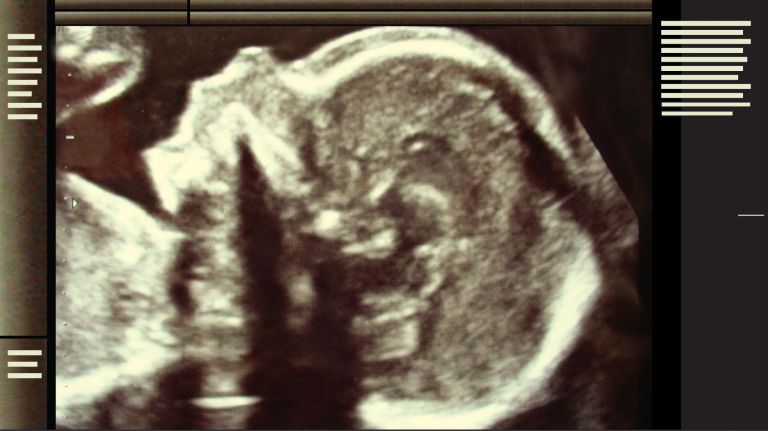
Like mother, like son: Key regulatory circuits in the brain and genes are calibrated before birth
10.02.2026