Search
-
- Basics
- Time
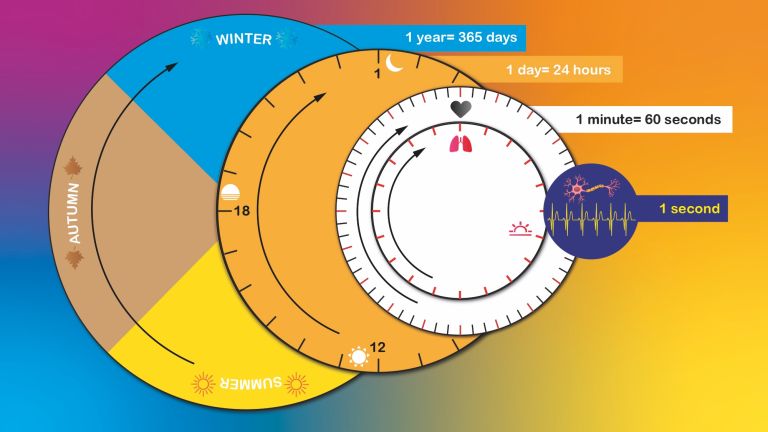
Perfect Timing
Chronobiology: from firing neurons to the nature of time
02.05.2024
-
- News from the Institutes
New Insights into the Molecular Basis of Ataxia
Receptor responsible for stress-induced motor incoordination in people with ataxia identified.
10.10.2025
-
- Diseases
- Successful aging
Molecular Detectives
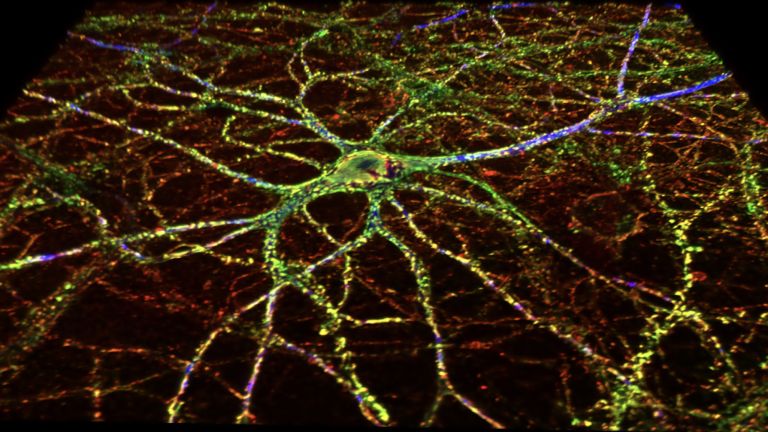
We are our memories. But neural firing alone cannot unravel the traces of memory.
01.02.2026
-
- Percieve
- Smell & Taste
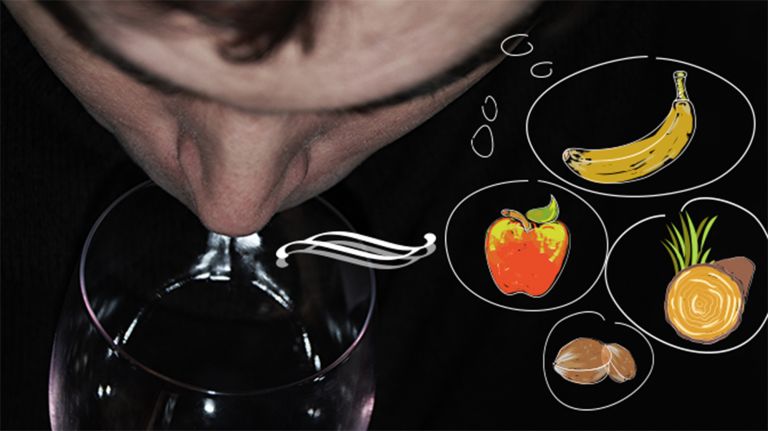
The Anatomy of Fragrance
Olfactory cells extend directly into the olfactory bulb of the brain, where the scent is assembled.
06.08.2018
-
- News from the Institutes
How Stress Disrupts the Brain’s Navigational System
Persons under stress may have a harder time spatially orienting themselves. Researchers in Bochum have discovered why.
13.03.2026
-
- Glossary
Adrenaline
Along with dopamine and norepinephrine, it belongs to the catecholamines. Adrenaline, also known as epinephrine, is the classic stress hormone. It is produced in the adrenal medulla and causes an increase in heart rate and heartbeat strength, thus preparing the body for increased stress. In the brain, adrenaline also acts as a neurotransmitter (messenger substance), where it binds to so-called adrenoreceptors.
-
- Glossary
Hypophysis
The pituitary gland is an important hormone gland in the body. It hangs like a drop below the hypothalamus and is no larger than a pea. The pituitary gland consists of two parts, the anterior lobe (adenohypophysis) and the posterior lobe (neurohypophysis). The anterior lobe of the pituitary gland has the special property of being partially exempt from the blood-brain barrier, allowing it to release hormones directly into the blood.
-
- Glossary
Melatonin
Melatonin is a hormone released by the pineal gland in the brain when it is dark. Melatonin levels are highest at night and then decrease throughout the day. This makes it an important messenger substance for the "internal clock" and it appears to play a particularly important role in regulating sleep.
-
- Glossary
Infundibular nucleus
The infundibular nucleus is also called the arcuate nucleus due to its curved shape. It is located in the hypothalamus at the base of the third ventricle and regulates hormone release from the pituitary gland via releasing and inhibiting hormones. It is therefore also involved in regulating appetite, energy balance, and growth.
-
- Glossary
Oxytocin
Oxytocin is a hormone produced in the paraventricular nucleus and supraoptic nucleus of the hypothalamus and released into the blood via the posterior lobe of the pituitary gland. It initiates contractions during childbirth and supports the milk ejection reflex during breastfeeding. It is also released during orgasm. Oxytocin can promote trust and strengthen pair bonding, but recent findings show that its effects are more complex and, in certain contexts, can also promote separation from out-groups.