Search
-
- Basics
- Communication of Cells
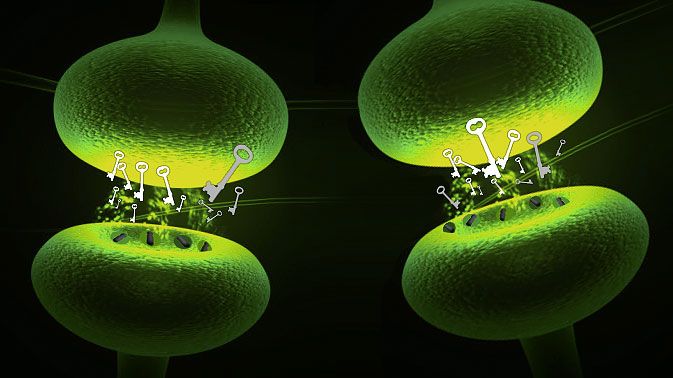
Neurotransmitters: Messenger Molecules in the Brain
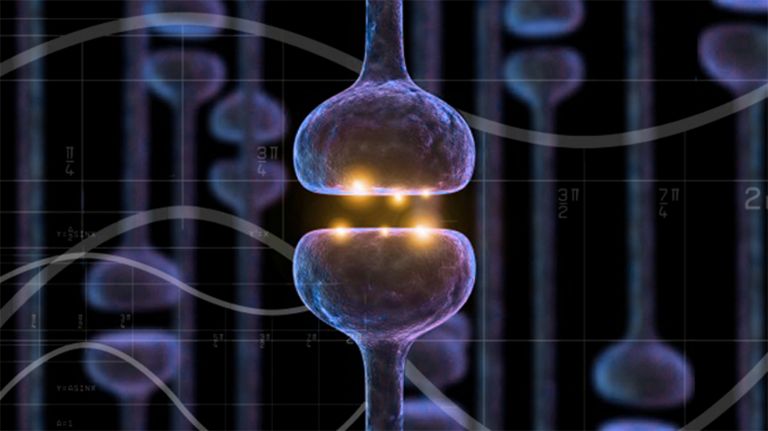
“Happy hormone” & Co.: Without neurotransmitters, nerve cells would not be able to communicate.
05.08.2025
-
- Basics
- Anatomy
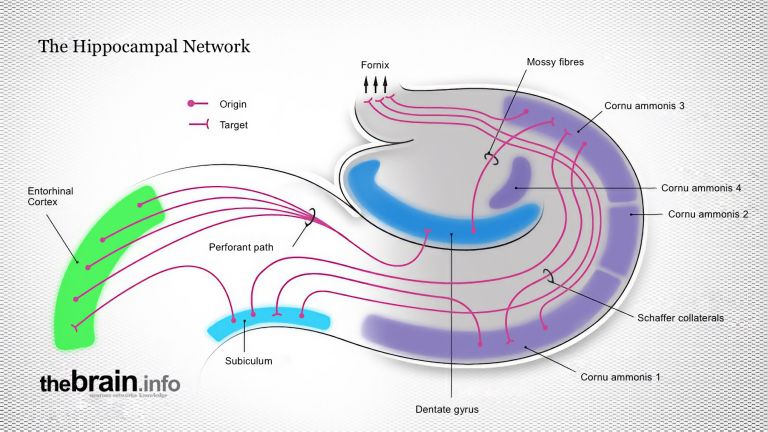
The Hippocampal Network
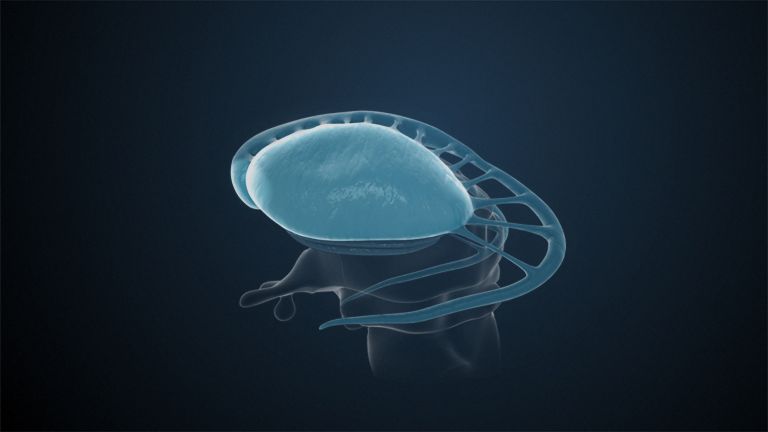
New memories are consolidated in the hippocampus via an excitatory circuit.
13.07.2015
-
- Basics
- Communication of Cells
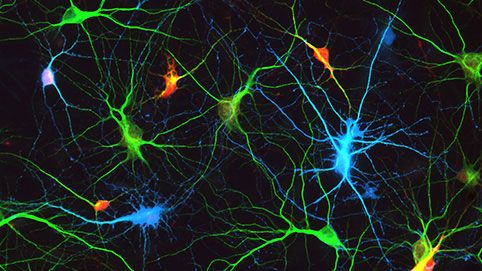
Colorful Activity: Nerve Cells in the Hippocampus
This image shows a tangle of nerve cells in the hippocampus.
10.05.2012
-
- Percieve
- Smell & Taste
The Secret of Taste Perception
We don't just taste with our tongues. Many senses work together to create the taste experience.
02.09.2025
-
- News from the Institutes
New Highly Effective Bitter Compound Identified
Mushroom study expands knowledge of natural bitter compounds
07.04.2025
-
- Basics
- Communication of Cells
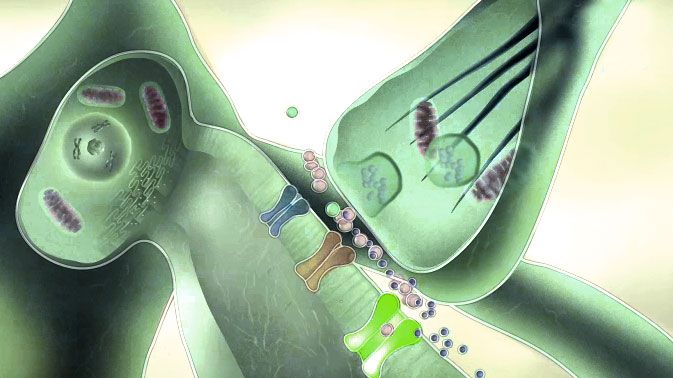
Nerve Cells in Conversation
No chaos despite sensory overload – neurons communicate silently, efficiently, and at breakneck speed.
16.04.2012
-
- Discover
- Milestones
John Eccles: Across the Gap
John Eccles disproved his own theories. In doing so, he helped to elucidate synaptic transmission.
06.06.2013
-
- Basics
- Anatomy
The Striatum
The striatum is not only about complex motor skills, but also about happiness.
28.11.2025
-
- Basics
- Structure and Function
Connecting Nerves
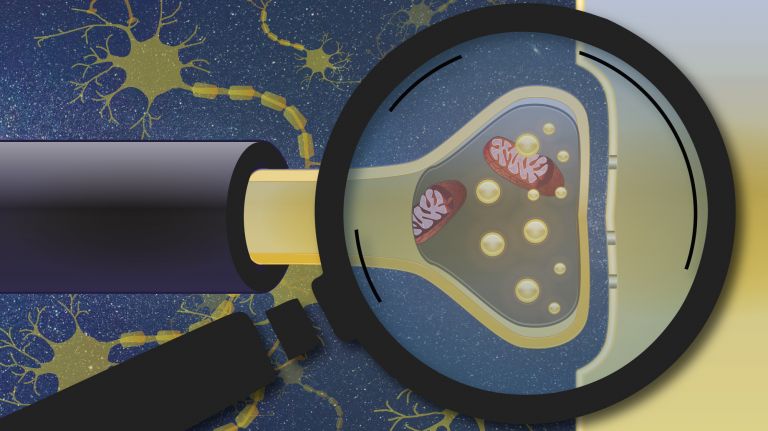
Learning is as spiny path – as synapses vividly illustrate.
01.12.2020
-
- Act
- Meditation
The Neuroscience of Meditation
Meditation is a simple method for influencing brain activity over the long term.
04.09.2026