Search
-
- Glossary
Superior temporal sulcus
The superior temporal sulcus is the uppermost groove of the temporal lobe and lies below the Sylvian fissure. It separates the superior temporal gyrus from the middle temporal gyrus. Functionally, this area is involved in auditory processes, language processing, and the perception of socially relevant information.
-
- Basics
- Structure and Function
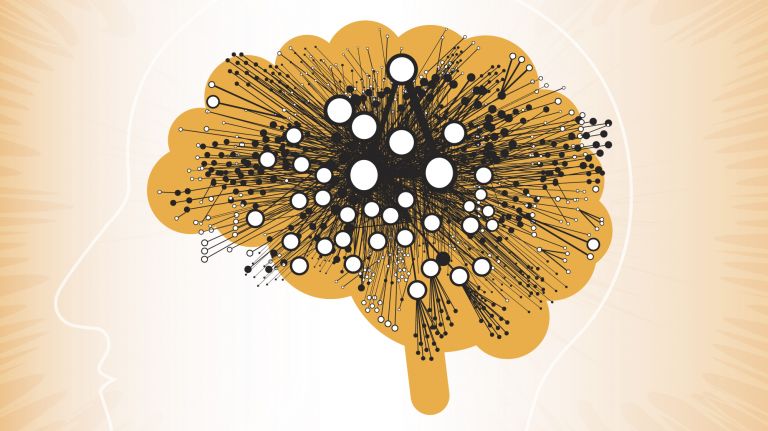
Well-Connected
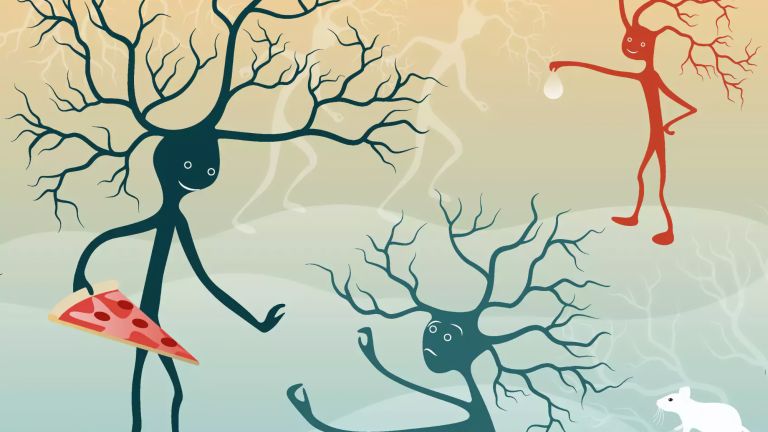
The brain functions based on neural networks that change and adapt throughout a person's lifetime
30.04.2020
-
- Glossary
Cerebrum
The cerebrum comprises the cerebral cortex (gray matter), the nerve fibers (white matter), and the basal ganglia. It is the largest part of the brain. The cortex can be divided into four cortical areas: the temporal lobe, frontal lobe, occipital lobe, and parietal lobe.Its functions include the coordination of perception, motivation, learning, and thinking.
-
- Percieve
- Hearing
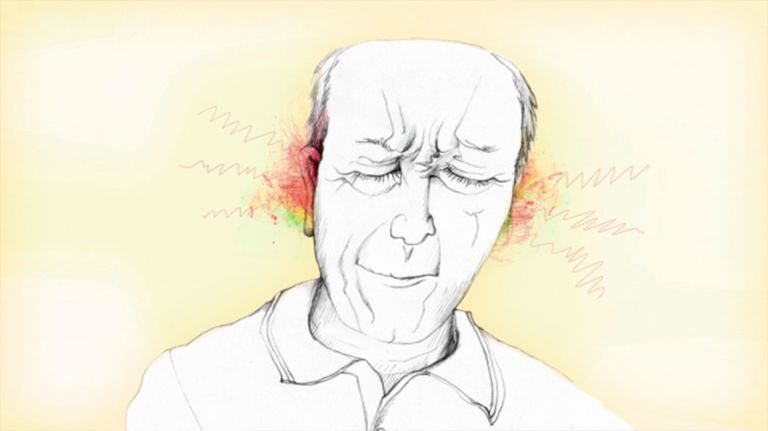
Ringing in the Ears
Tinnitus: The annoying whistling and buzzing does not originate in the ear, but in the brain.
28.10.2025
-
- Percieve
- Hearing
From Sound to Word
Widely distributed brain regions make the miracle of language possible.
13.10.2023
-
- Basics
- Anatomy
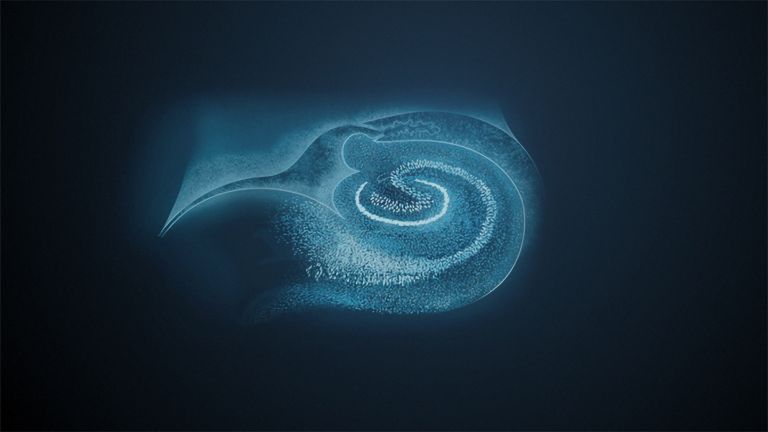
The Hippocampus
The hippocampus is crucial for the formation of new memory content.
23.08.2011
-
- Think
- Emotions
Reason vs. Emotion?
Humans are not machines: emotions control their behavior more often than they realize.
11.09.2025
-
- Glossary
Secondary auditory cortex
The secondary auditory cortex is an area in the temporal lobe (temporal lobe) that is downstream of the primary auditory cortex. It processes complex auditory information such as speech, sounds, and music, and plays a role in recognizing patterns in acoustic signals. Wernicke's area, which specializes in language comprehension, is located within this area but is not synonymous with the entire secondary auditory cortex.
-
- News from the Institutes
Thirst and hunger neurons
New research shines light on how the brain interprets nutritional and hydration needs and turns them into action
31.03.2025
-
- News from the Institutes
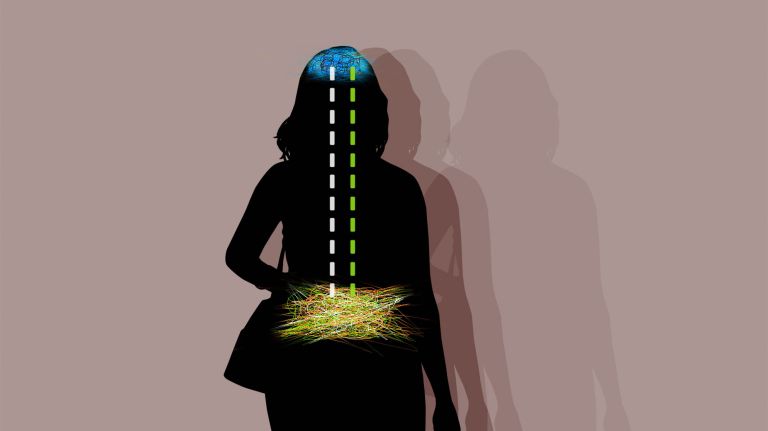
Two Brain Areas Compete for Control
The locus coeruleus and the ventral tegmental area compete for control over the formation of memory content
14.03.2025