Search
-
- Glossary
Cerebrum
The cerebrum comprises the cerebral cortex (gray matter), the nerve fibers (white matter), and the basal ganglia. It is the largest part of the brain. The cortex can be divided into four cortical areas: the temporal lobe, frontal lobe, occipital lobe, and parietal lobe.Its functions include the coordination of perception, motivation, learning, and thinking.
-
- Glossary
Posterior parietal cortex
The posterior parietal lobe receives inputs from numerous visual, auditory, somatosensory, and proprioceptive cortical areas. It integrates this information into an overall spatial picture that enables orientation, spatial attention, and the planning and execution of goal-directed movements.
-
- Basics
- The Developing Brain
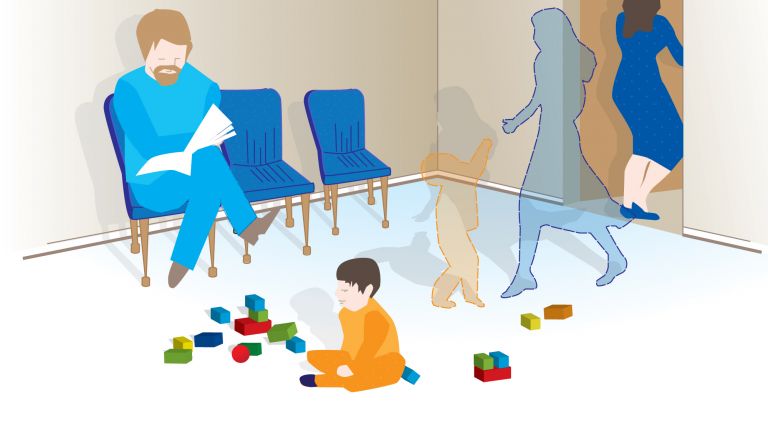
The invisible Bond
Emotional bond – the essential connection between children and parents.
18.03.2026
-
- Act
- Motor Skills
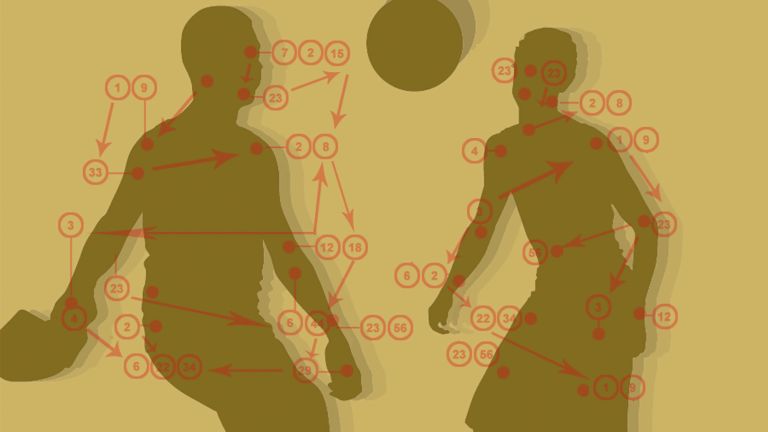
Networks of Movement: Control Strategy, Tactics, Execution
Every arbitrary movement is planned, organized, and sent for execution in the brain.
01.12.2025
-
- Basics
- Anatomy
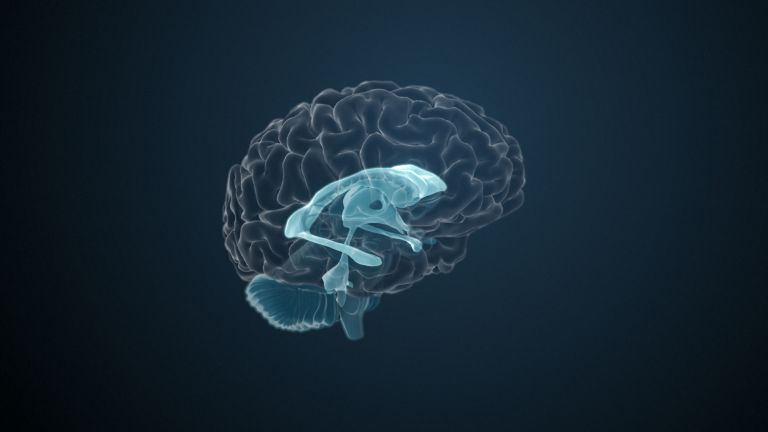
The Ventricular System
What's hiding in our brains? An alien wearing a helmet! Or a human with ram's horns?
20.09.2025
-
- Glossary
Angular gyrus
The angular gyrus is part of the cerebrum and is considered part of the parietal lobe. Anatomically, however, it is located at the intersection of the temporal, occipital, and parietal lobes. Functionally, visual and auditory impressions are integrated here, and it is also involved in writing, reading, and arithmetic.
-
- Percieve
- Hearing
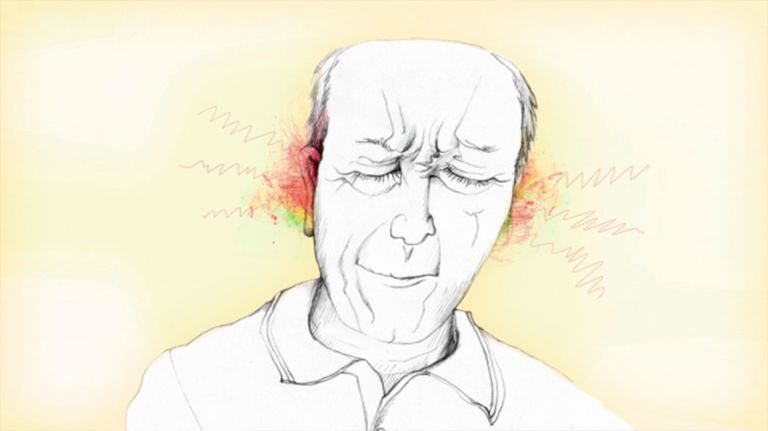
Ringing in the Ears
Tinnitus: The annoying whistling and buzzing does not originate in the ear, but in the brain.
28.10.2025
-
- News from the Institutes
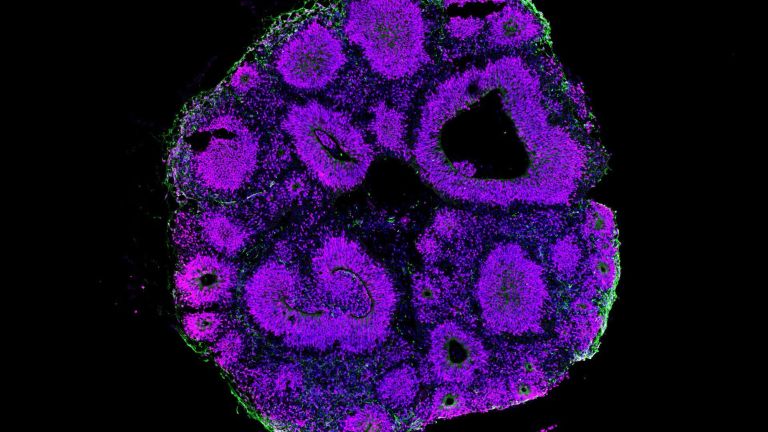
How a gene shapes the architecture of the human brain
Organoids provide insights into brain development with unprecedented precision
27.11.2025
-
- Basics
- Anatomy
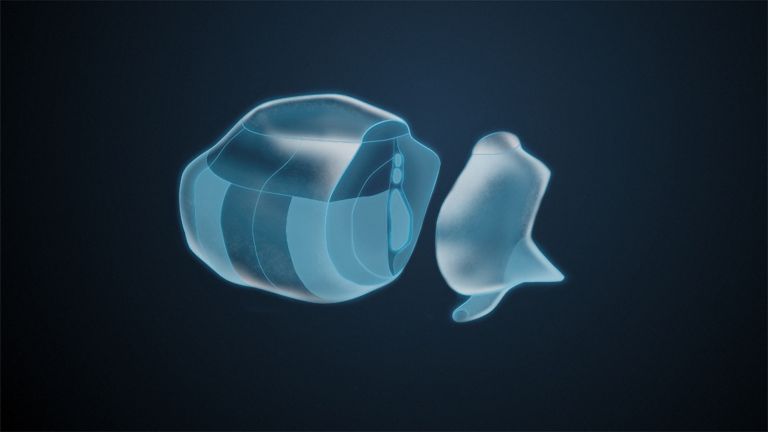
The Thalamus dorsalis
The structure is complex, the tasks are varied. It supports the senses, motor skills, and psyche.
28.11.2025
-
- Basics
- Anatomy
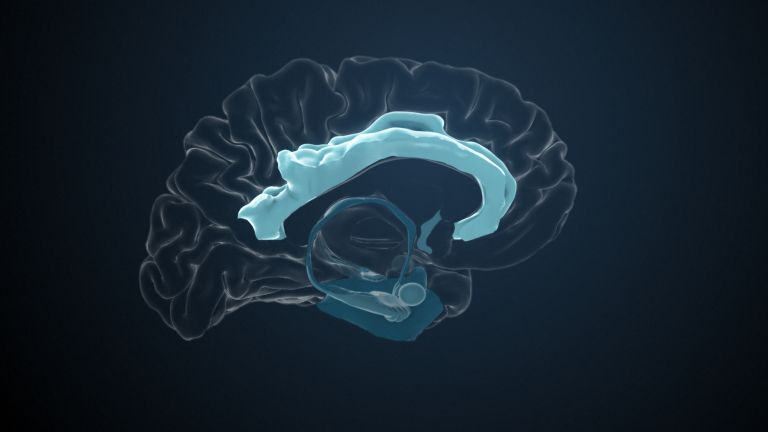
The Cingulate Gyrus
When paying attention, experiencing pain, or feeling emotions, the cingulate gyrus on the inside of the cortex becomes active.
22.09.2023