Search
-
- Basics
- Anatomy
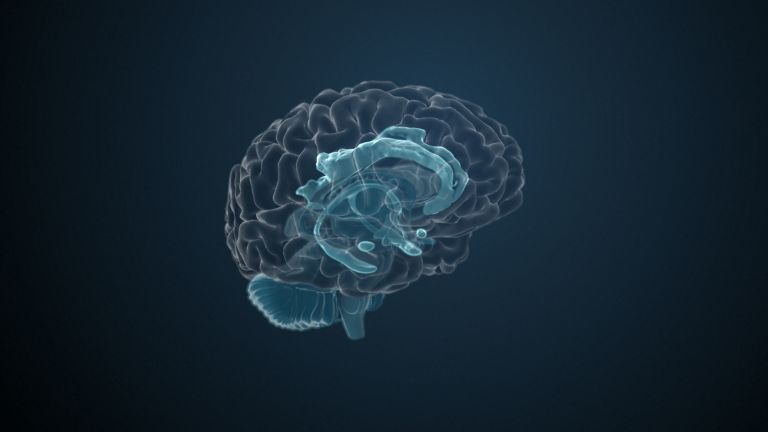
The Limbic System
The limbic system does not solely control our emotional life. It also has other functions.
22.12.2023
-
- News
- Question to the brain
Do we only use a Fraction of our Brain?
I read that we only use 10 or 25 percent of our brain capacity. Is that true?
12.08.2025
-
- Glossary
Procedural memory
Procedural memory is a form of non-declarative long-term memory. It includes sequences of actions such as riding a bike, playing the piano, or drawing a specific figure.
-
- News from the Institutes
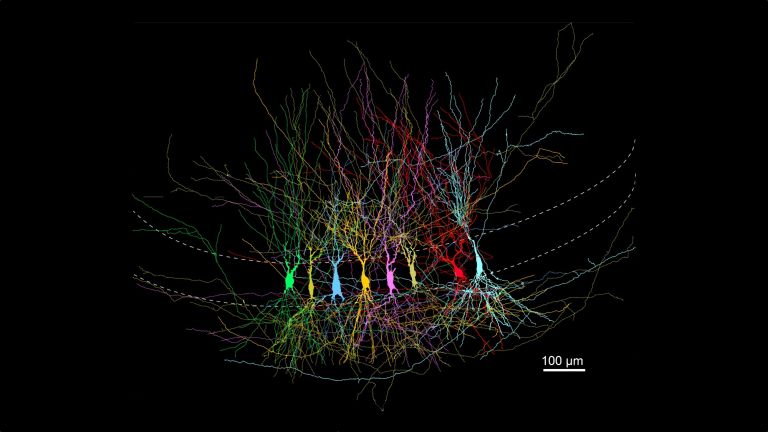
Do Memories Form on a Blank Slate?
How thought networks in the hippocampus develop after birth
27.04.2026
-
- News from the Institutes
Limited Connections: How Stress Affects Our Brain
New Study on Linking Information
01.06.2026
-
- News from the Institutes
Early Life Stress Can Build Resilience in Females
Groundbreaking results offering new insights into psychiatric disorders
23.04.2025
-
- Glossary
Episodic memory
Episodic memory is a form of declarative long-term memory. It includes one's own biography, i.e., important experiences and events from the past, including their location in space and time, as well as the feeling of having had the experience oneself.
-
- Glossary
Semantic memory
Semantic memory is a form of declarative long-term memory. It stores knowledge about the world, i.e., facts, formulas, geography, recipes, etc.
-
- Discover
- The Fly
Smart Flies
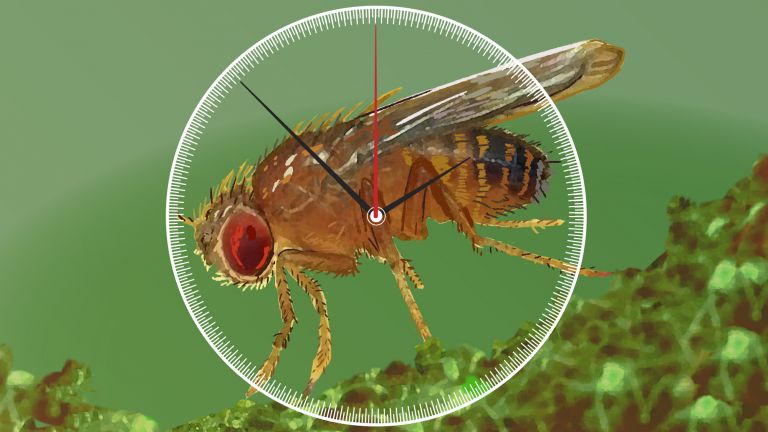
Fruit flies learn extremely quickly. Their goal is to eat as much as possible. Their memory helps them to behave in a very agile manner.
18.01.2026
-
- Think
- Emotions
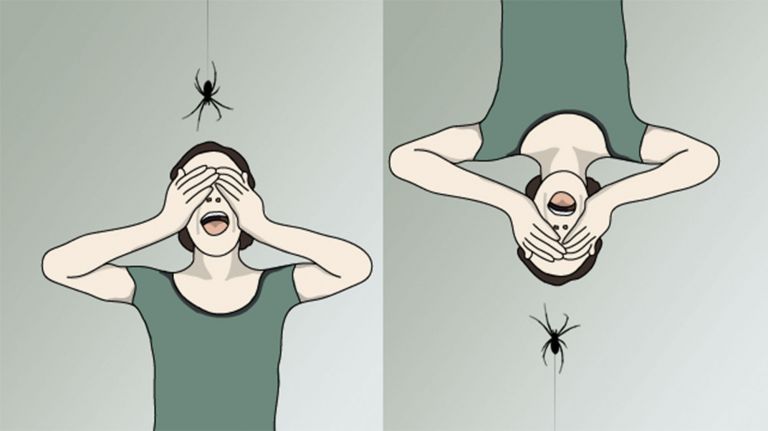
Learning the Meaning of Fear
The story of the brain that went forth to learn what fear was.
21.08.2025