Search
-
- Basics
- Structure and Function
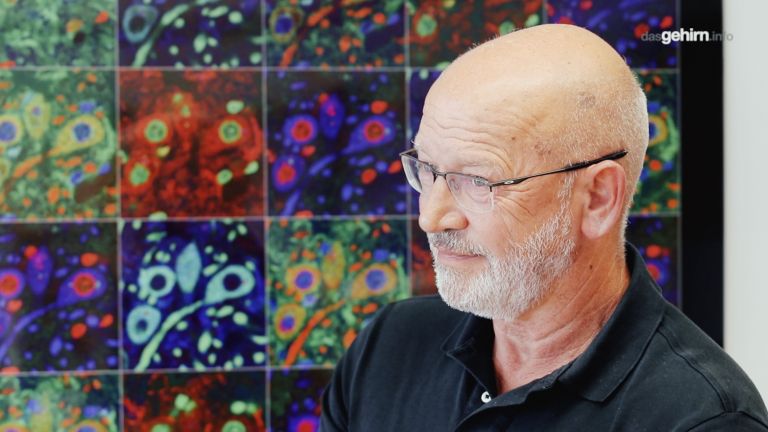
Structure and Function – Neurons
Different tasks require different cell types, some of which differ greatly in their biophysical properties and are highly specialized.
27.09.2021
-
- Glossary
Medial geniculate nucleus
The medial geniculate nucleus (medial geniculate body) is a nucleus of the thalamus (the largest part of the diencephalon). As the central switching point of the auditory pathway, it transmits impulses from the inferior colliculus to the auditory radiation. Together with the lateral geniculate body, it forms the metathalamus.
-
- Basics
- Structure and Function
Neural Networks: So Much for “Hard-Wired”
Dialogues in the nervous system: Sometimes bottom-up, sometimes top-down
10.03.2023
-
- Think
- Emotions
Learning the Meaning of Fear
The story of the brain that went forth to learn what fear was.
21.08.2025
-
- Basics
- Anatomy
The Cerebellar Hemispheres
Enormous interconnection density in a small space ensures coordination of voluntary movements.
20.09.2025
-
- Act
- Motor Skills
Highway through the Spinal Cord
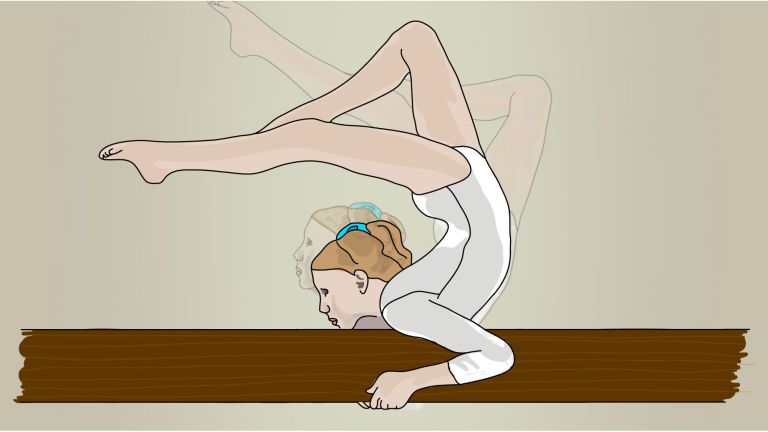
Thanks to motor pathways from the brain to the spinal cord, we can move at lightning speed.
01.12.2025
-
- Basics
- Anatomy
The Paleocortex
In the beginning was smell: the oldest part of the cerebrum deals with sniffing.
01.10.2025
-
- Basics
- Anatomy
The Temporal Lobe
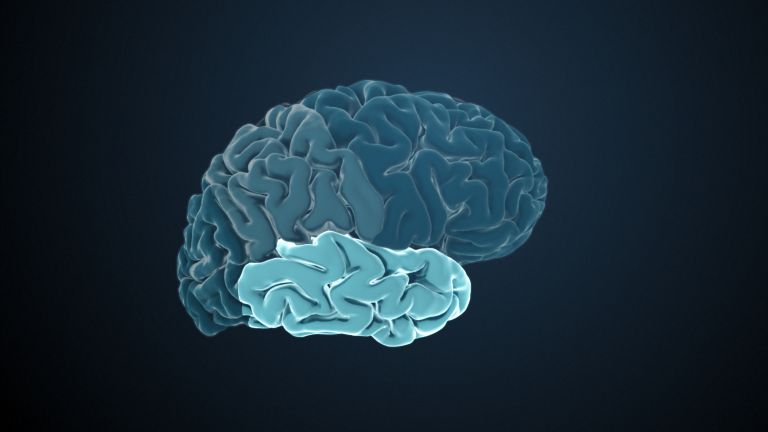
The lateral lobe of the cortex is responsible for tasks such as hearing, speaking, memory – and several others.
28.11.2025
-
- Basics
- Structure and Function
Senses in Motion
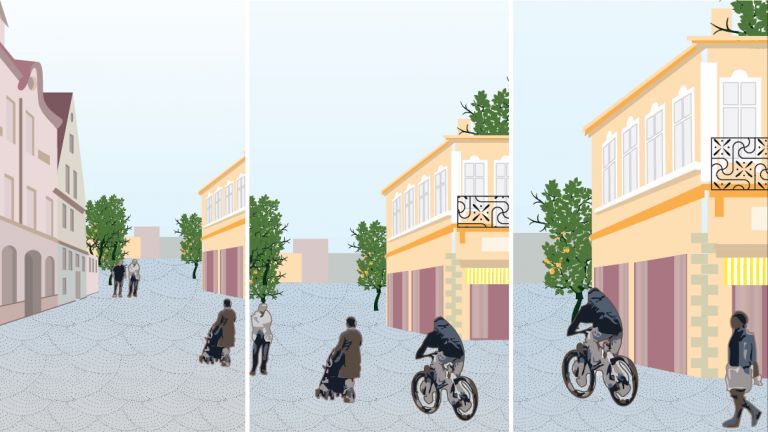
Motor skills play a bigger role in vision than previously thought
21.12.2021
-
- Basics
- Anatomy
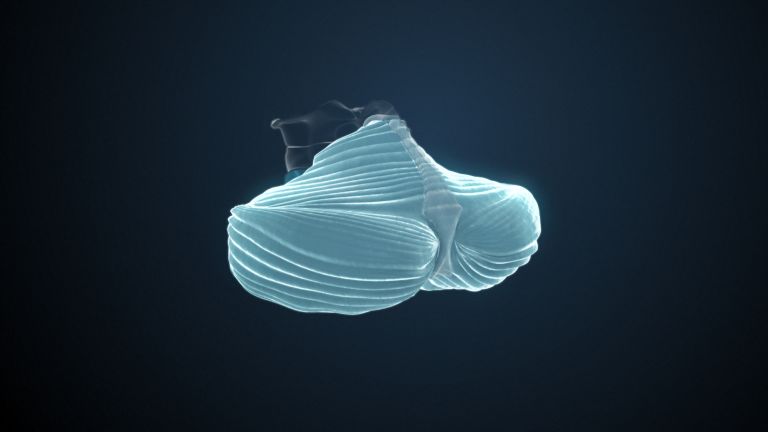
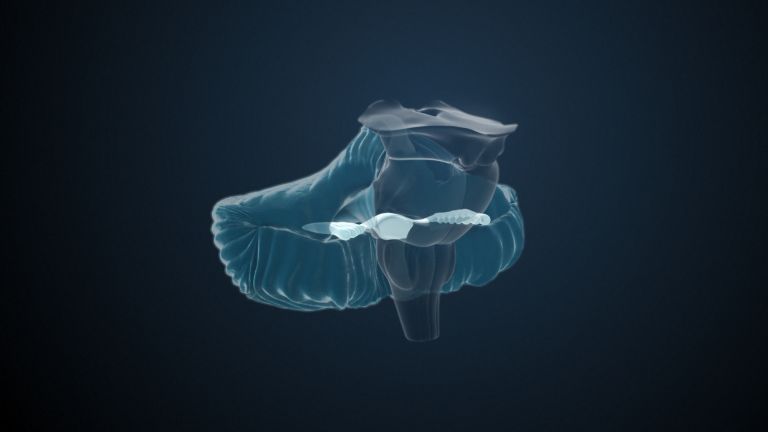
The Flocculonodular Lobe
The oldest part of the cerebellum is primarily concerned with balance.
05.08.2025