Search
-
- Basics
- Anatomy
The Subthalamus
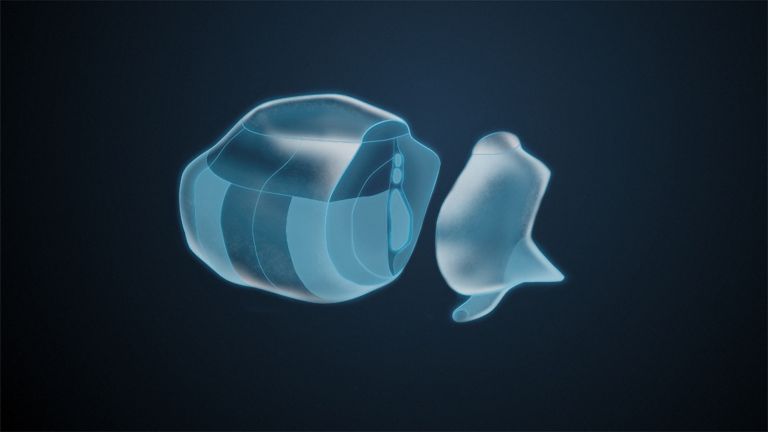
A pale nucleus and an excitatory lens, and the zone of uncertainty – that is the subthalamus.
01.10.2025
-
- Basics
- Anatomy
The Cortex
The brain's control center, seat of perception, consciousness, and behavior
20.09.2025
-
- Act
- Sports
A Miracle Cure for the Brain
Keeping physically fit is very good for the brain.
01.09.2021
-
- Basics
- Anatomy
The Hypothalamus
Nutrition and reproduction – these activities are controlled by the hypothalamus at the neural and hormonal levels.
01.07.2025
-
- Basics
- Anatomy
The Cerebellum
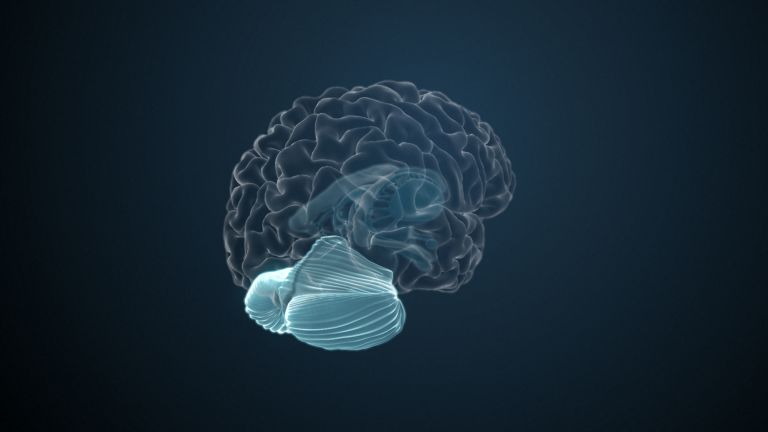
Highly aesthetic, but long underestimated: the cerebellum does more than just coordinate movements.
05.08.2025
-
- Glossary
Cerebrum
The cerebrum comprises the cerebral cortex (gray matter), the nerve fibers (white matter), and the basal ganglia. It is the largest part of the brain. The cortex can be divided into four cortical areas: the temporal lobe, frontal lobe, occipital lobe, and parietal lobe.Its functions include the coordination of perception, motivation, learning, and thinking.
-
- Glossary
Spinal cord
The spinal cord is the part of the central nervous system located in the spine. It contains both the white matter of the nerve fibers and the gray matter of the cell nuclei. Simple reflexes such as the knee-jerk reflex are already processed here, as sensory and motor neurons are directly connected. The spinal cord is divided into the cervical, thoracic, lumbar, and sacral spinal cord.
-
- Diseases
- Successful aging
The Old, Healthy Brain
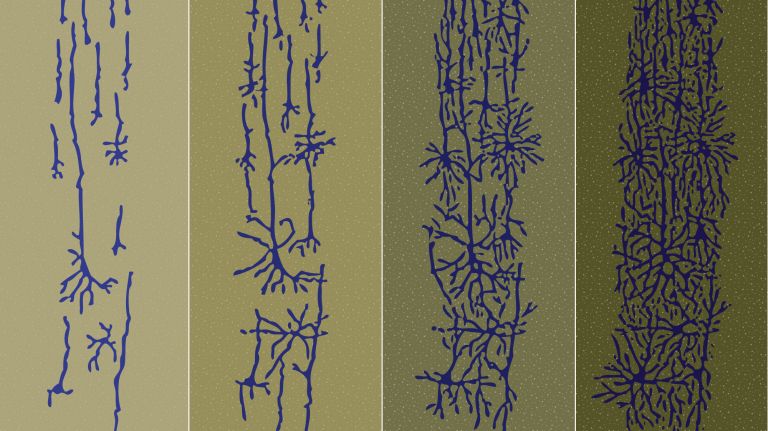
Some people seem to be unaffected by aging. Research is currently being conducted to find out why this is the case.
01.02.2026
-
- Basics
- Structure and Function
The Fate of a Cell
From egg to neuron, it’s a complex dance – but the choreography can be deciphered
30.04.2020
-
- Basics
- Anatomy
The Thalamus dorsalis
The structure is complex, the tasks are varied. It supports the senses, motor skills, and psyche.
28.11.2025