Search
-
- News from the Institutes
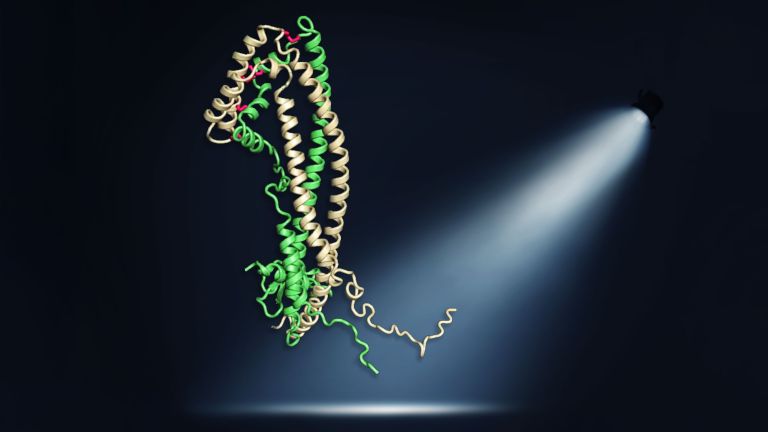
Structure of clusterin: a key protein against neurodegenerative diseases
Crystallographic three-dimensional structure of human clusterin determined for the first time
08.09.2025
-
- Percieve
- Smell & Taste
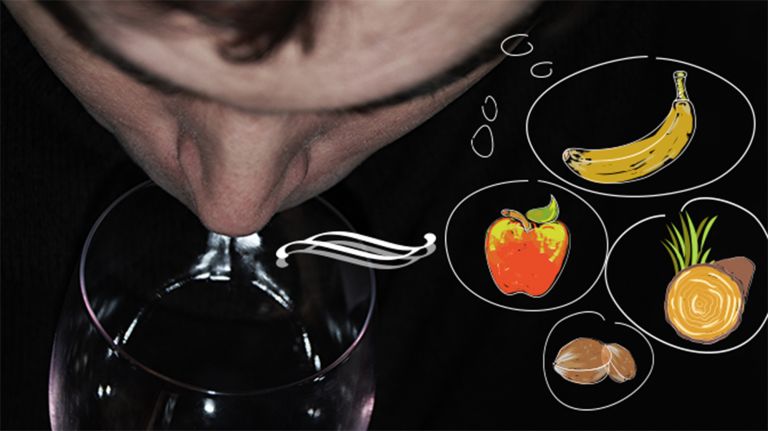
The Anatomy of Fragrance
Olfactory cells extend directly into the olfactory bulb of the brain, where the scent is assembled.
06.08.2018
-
- Basics
- Communication of Cells
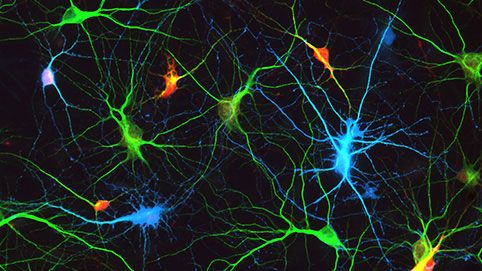
Colorful Activity: Nerve Cells in the Hippocampus
This image shows a tangle of nerve cells in the hippocampus.
10.05.2012
-
- Diseases
- Successful aging
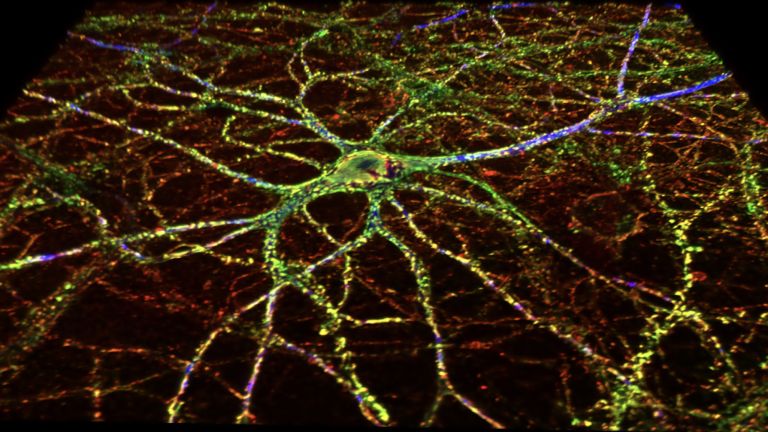
Molecular Detectives
We are our memories. But neural firing alone cannot unravel the traces of memory.
01.02.2026
-
- News from the Institutes
Preventing the Long-Term Scars of Childhood Trauma
Targeting stress protein reverses social deficits
07.07.2026
-
- Basics
- Time
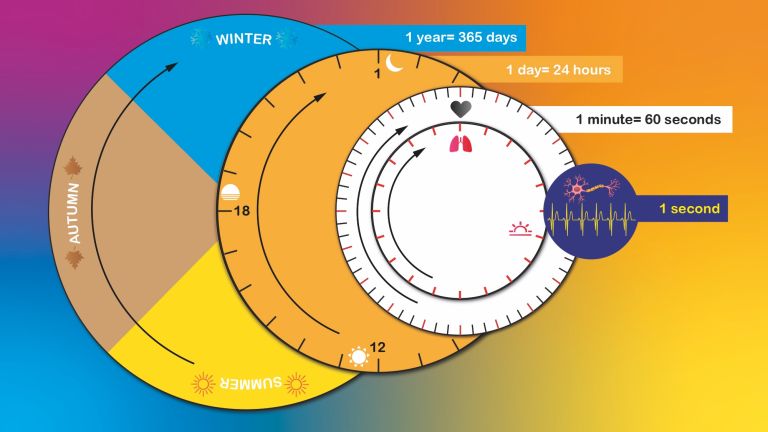
Perfect Timing
Chronobiology: from firing neurons to the nature of time
02.05.2024
-
- News from the Institutes
Trauma-induced changes in the brain differ significantly between males and females
Multilevel brain and behavior mapping reveals how early adversity drives distinct neurobiological and behavioral paths depending on sex
15.09.2026
-
- Percieve
- Smell & Taste
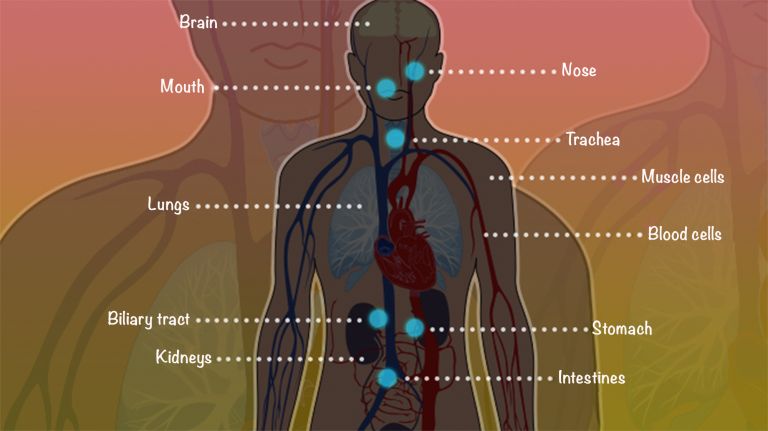
Not just in the Mouth and Nose
Taste and smell receptors are not only found in the mouth and nose.
02.09.2025
-
- News from the Institutes
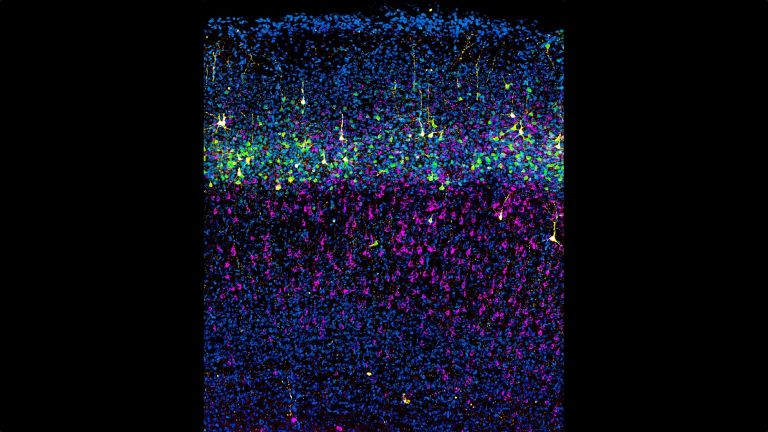
Neuronal Precursor Splits into Two Cell Lineages Earlier than Anticipated
ISTA Postdoc investigates how distinct neuron types arise in the cerebral cortex
05.08.2026
-
- Glossary
Huntington's disease
Huntington's disease is a progressive and fatal hereditary disease that manifests itself in the brain. It is characterized by dyskinesia, dementia, and behavioral and psychological changes. To date, there is no cure, although scientists have a relatively good understanding of its molecular causes. The Huntington's gene of those affected contains up to 200 copies of a specific base triplet (group of three bases). This causes the cells to produce a defective protein, which primarily forms deposits in the striatum of the brain. This leads to degeneration of the neurons in the basal ganglia and the cortex.