Search
-
- Basics
- Anatomy
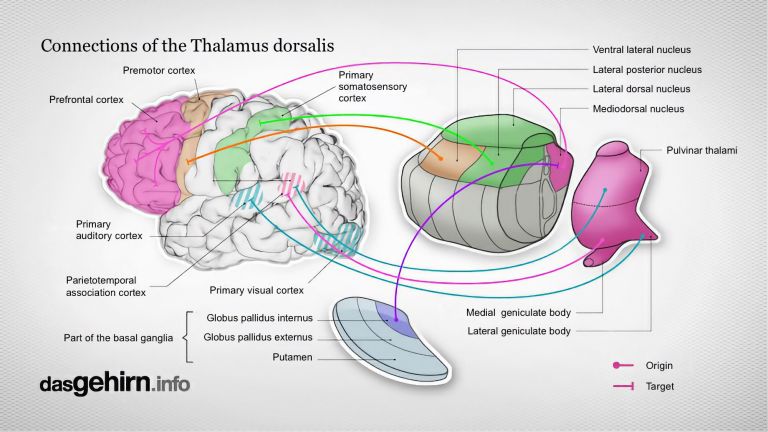
Connections of the Dorsal Thalamus
As the “gateway to consciousness,” the thalamus is particularly strongly connected to the cerebral cortex.
13.07.2015
-
- Basics
- Anatomy
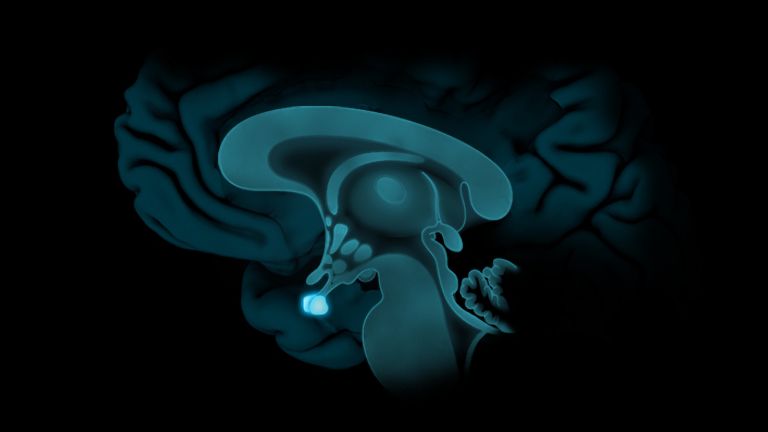
The Pituitary Gland
The “queen of glands” regulates vital processes. It has nothing to do with colds.
21.03.2025
-
- Basics
- Structure and Function
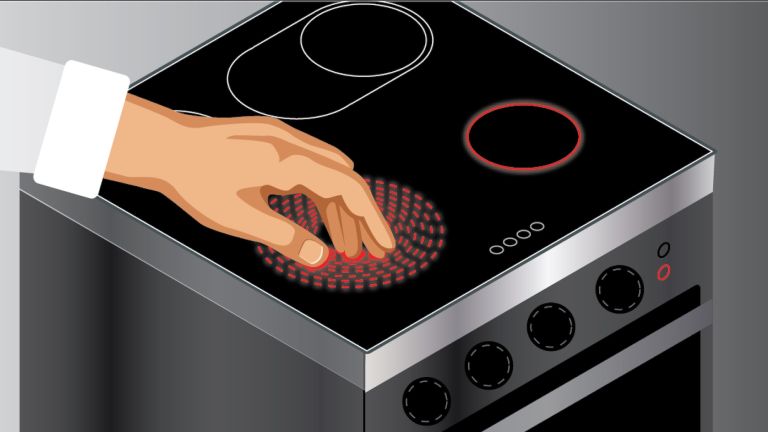
Neural Networks: So Much for “Hard-Wired”
Dialogues in the nervous system: Sometimes bottom-up, sometimes top-down
10.03.2023
-
- Glossary
Mamillary bodies
Two structures of the posterior thalamus (largest part of the diencephalon). Due to their similarity to the female breast, they are also called mammillary bodies. They are located at the front end of the fornix and are attributed to the limbic system.
-
- Glossary
Lateral geniculate nucleus
The lateral geniculate nucleus is the section of the thalamus (the largest part of the diencephalon) where around 90% of the optic nerve axons terminate. It has a characteristic stratification into six cell layers. The nerve cells of the lateral geniculate nucleus send their projections to the visual cortex. Together with the medial geniculate nucleus, it forms the metathalamus.
-
- Glossary
Medial geniculate nucleus
The medial geniculate nucleus (medial geniculate body) is a nucleus of the thalamus (the largest part of the diencephalon). As the central switching point of the auditory pathway, it transmits impulses from the inferior colliculus to the auditory radiation. Together with the lateral geniculate body, it forms the metathalamus.
-
- Glossary
Epiphysis
The epiphysis (pineal gland) is an unpaired component of the epithalamus (part of the diencephalon). It is a gland that secretes melatonin. Among other things, the epiphysis controls the "internal clock."
-
- Glossary
Epithalamus
A part of the diencephalon (midbrain) located behind the thalamus (the largest part of the midbrain). It includes the habenulae and the epiphysis, among other structures.
-
- Glossary
Habenulae
The habenulae – literally translated as "the reins" – are part of the epithalamus (which is part of the diencephalon) and are primarily involved in the modulation of monoamine neurotransmitters (dopamine, serotonin).
-
- Glossary
Limbic system
The limbic system is a functional unit in the brain. It consists of interconnected structures, primarily in the cerebrum and diencephalon. The structures assigned to the system vary depending on the source, but the most important components are the hippocampus, amygdala, cingulate gyrus, septum, and mammillary bodies. The limbic system is involved in autonomic and visceral processes as well as in mechanisms of emotion, memory, and learning. Some authors mistakenly reduce the limbic system to the emotional world by referring to it as the "emotional brain."