Search
-
- Act
- Meditation
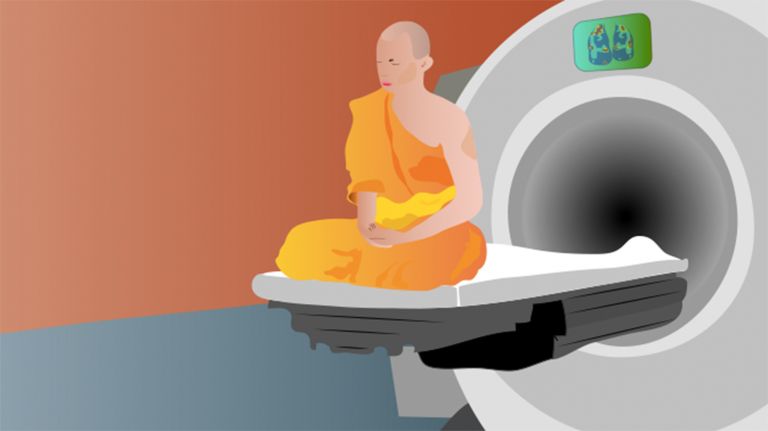
The Neuroscience of Meditation
Meditation is a simple method for influencing brain activity over the long term.
04.09.2026
-
- Act
- Meditation
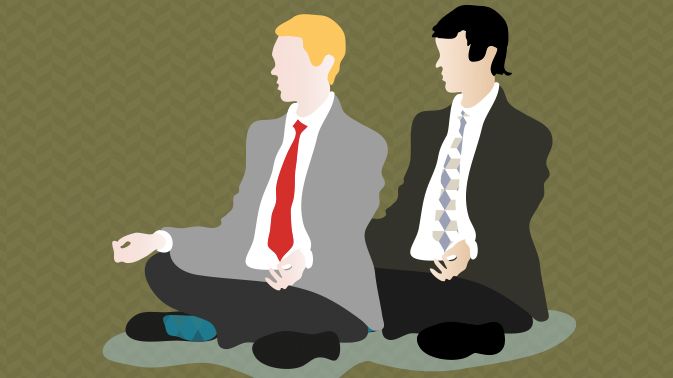
Mindfulness in Everyday Life
Mindfulness helps reduce stress and live a healthier life, both at work and in everyday life.
14.07.2026
-
- Glossary
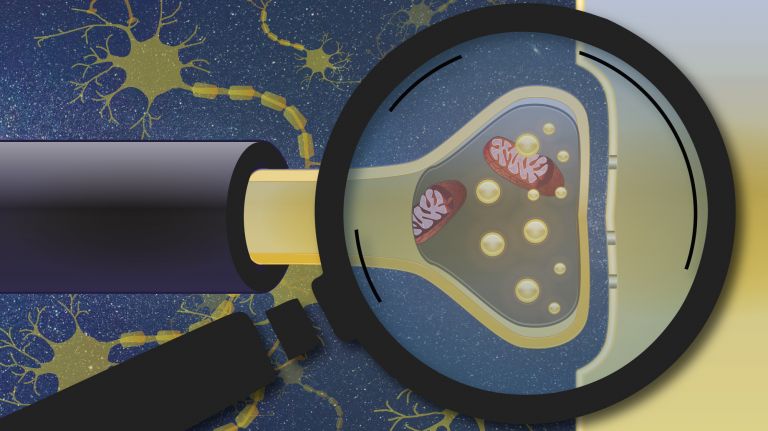
Synaptic depression
Weakening of signal transmission at a synapse due to reduced neurotransmitter release or decreased receptor sensitivity; occurs, for example, with repeated stimulation (habituation).
-
- Topic
Intruders
Or: Attack on the Brain!
-
- News
- Question to the brain
Is there an Addiction to Recognition?
Can you be addicted to recognition? How does that manifest itself?
17.03.2024
-
- Basics
- The Developing Brain
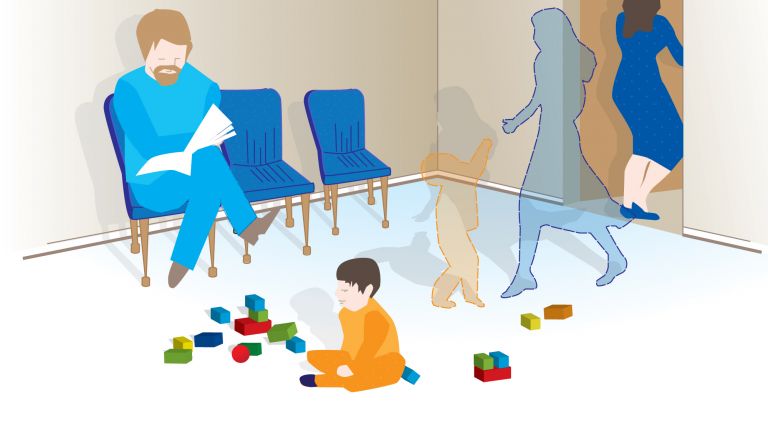
The invisible Bond
Emotional bond – the essential connection between children and parents.
18.03.2026
-
- Act
- Motor Skills
The Effects of Exercise on the Brain
Stefan Schneider uses EEG to investigate how people can be motivated to exercise.
05.02.2026
-
- News
- Question to the brain
What is transgenerational trauma?
How are traumas passed on to subsequent generations? What happens in the brain during this process?
12.05.2024
-
- Think
- Emotions
What are Emotions?
What we feel shapes our emotional life – and helps us react correctly and quickly.
11.09.2025
-
- Basics
- Structure and Function
Connecting Nerves
Learning is as spiny path – as synapses vividly illustrate.
01.12.2020