Search
-
- Percieve
- Hearing
From Wiggling to the wonderful Variety of Sounds
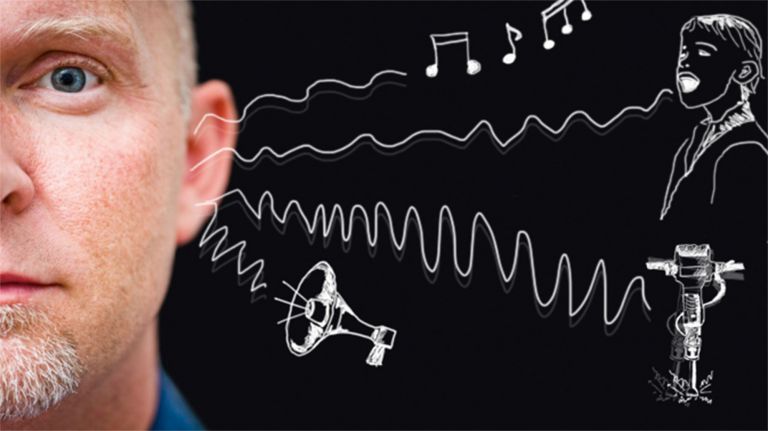
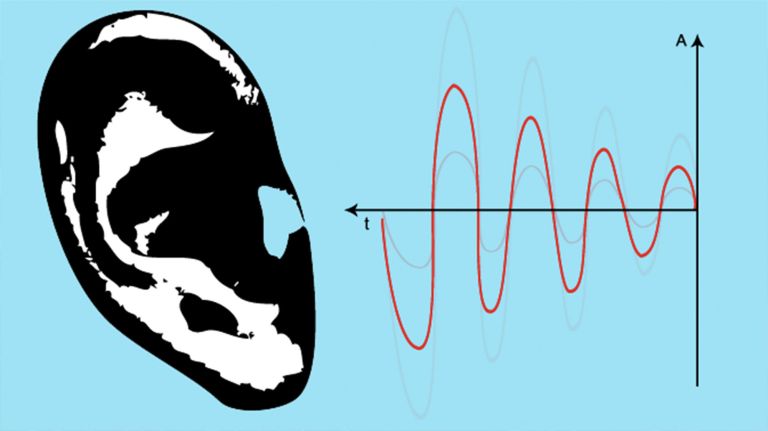
It is a long way from purely mechanical vibrations to the world of sounds and tones.
17.10.2025
-
- Percieve
- Hearing
Ringing in the Ears
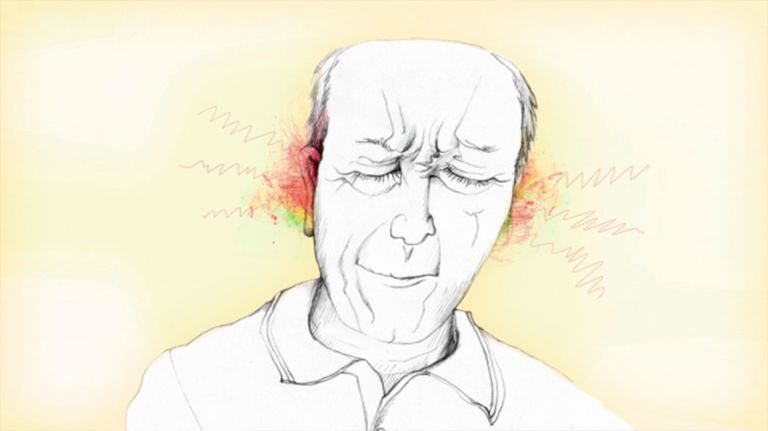
Tinnitus: The annoying whistling and buzzing does not originate in the ear, but in the brain.
28.10.2025
-
- Percieve
- Hearing
Hearing – more than just Sound and Vibration
The brain creates a colorful world of sounds from minimal acoustic input.
17.10.2025
-
- News from the Institutes
Pigeons detect magnetic fields through their inner ear
While many animals rely on the Earth’s magnetic field for orientation, how they detect and perceive magnetic stimuli is unknown.
21.11.2025
-
- News from the Institutes
Teamwork in the inner ear
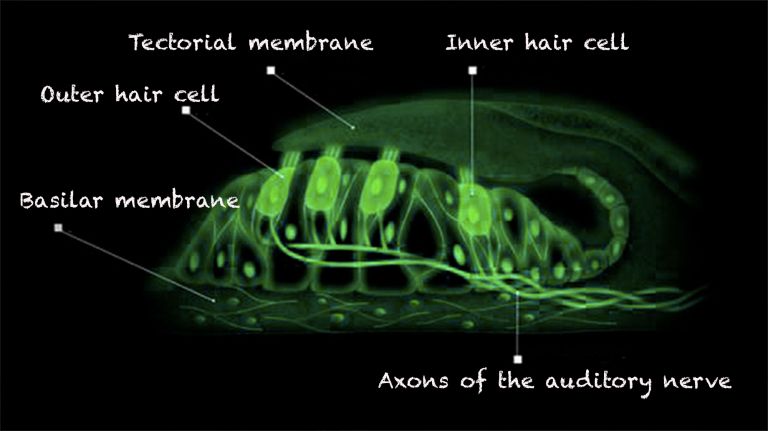
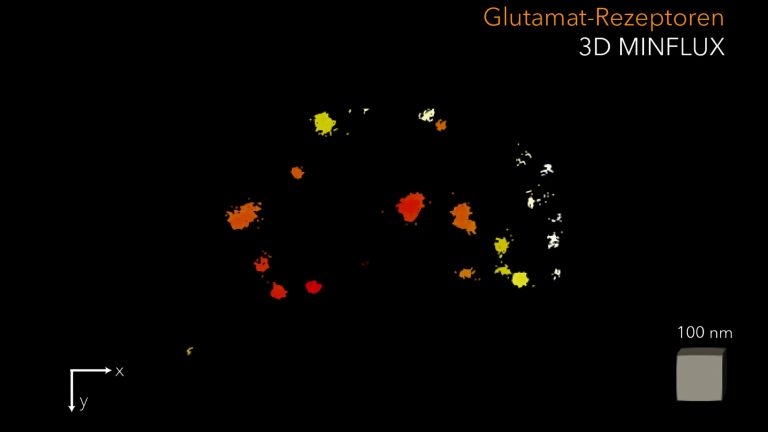
Our hearing is based on the organized grouping of proteins
06.11.2025
-
- Percieve
- Hearing
From Sound to Interpretation
How the ear processes fluctuations in air pressure into meaningful information.
03.10.2025
-
- Glossary
Middle ear
The eardrum forms the boundary between the outer ear and the middle ear. The ossicles – the malleus, incus, and stapes – transmit the vibration of the eardrum to the inner ear via the oval window. The middle ear is filled with air.
-
- Percieve
- Hearing
A Labyrinth for Balance
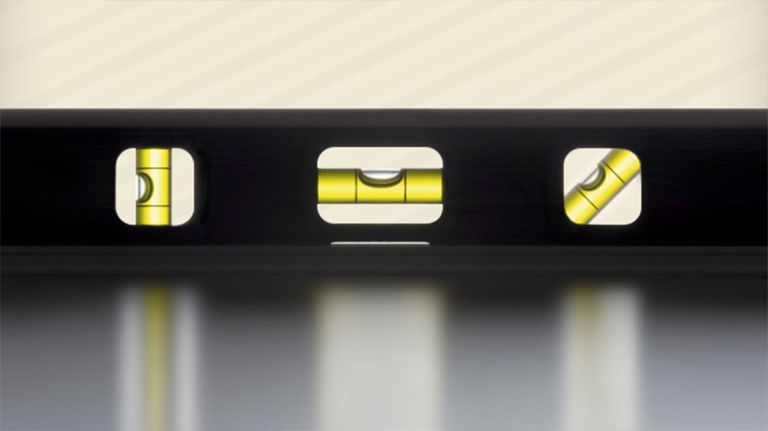
A sophisticated labyrinth in the ear keeps our body balanced: the vestibular system.
17.10.2025
-
- Glossary
Ear
The ear is not only the organ of hearing, but also of balance. A distinction is made between the outer ear with the auricle and external auditory canal, the middle ear with the eardrum and ossicles, and the actual hearing and balance organ, the inner ear with the cochlea and semicircular canals.
-
- News
- Question to the brain
How does a cochlear implant work?
How does sound reach the brain with a cochlear implant?
27.04.2025