Search
-
- Basics
- Anatomy
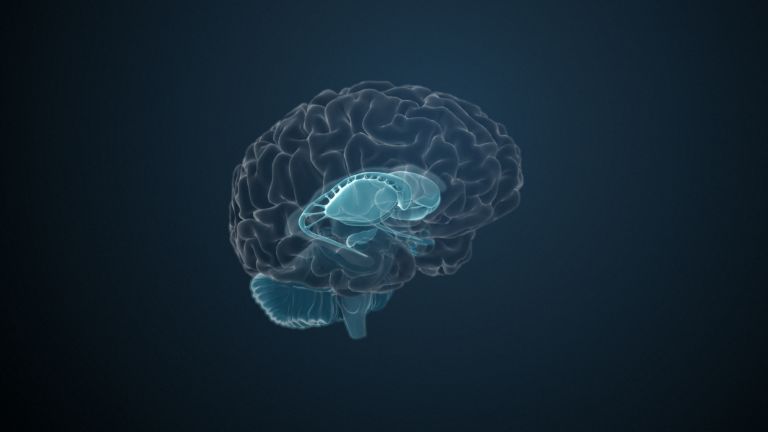
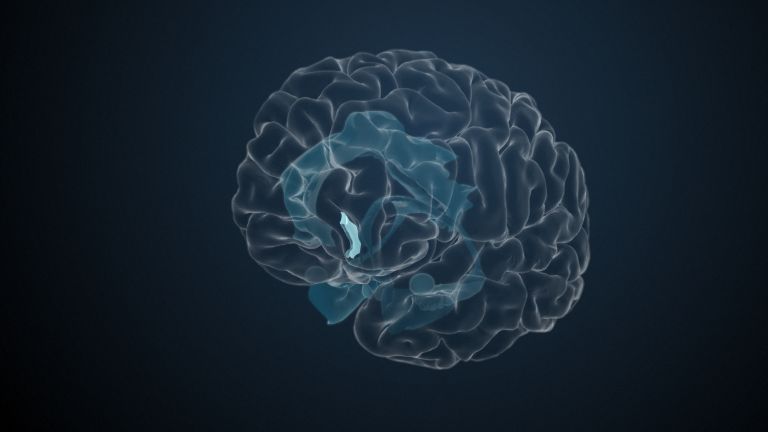
The Basal Ganglia
Whenever we perform a deliberate movement, core areas deep within the brain are involved.
23.08.2011
-
- Think
- Emotions
Addicted to Love
They say love is blind. Neurobiologists have discovered that this is true. What's more, it's also addictive.
20.12.2011
-
- Page
Glossary
15.03.2017
-
- Glossary
Nucleus accumbens
The nucleus accumbens is a nucleus in the basal ganglia that receives dopaminergic (dopamine-responsive) inputs from the ventral tegmental area. It is associated with reward and attention, but also with addiction. In pain processing, it is involved in motivational aspects of pain (reward, pain reduction) and in the effect of placebos.
-
- News from the Institutes
Preventing the Long-Term Scars of Childhood Trauma
Targeting stress protein reverses social deficits
07.07.2026
-
- News from the Institutes
Trauma-induced changes in the brain differ significantly between males and females
Multilevel brain and behavior mapping reveals how early adversity drives distinct neurobiological and behavioral paths depending on sex
15.09.2026
-
- Basics
- Anatomy
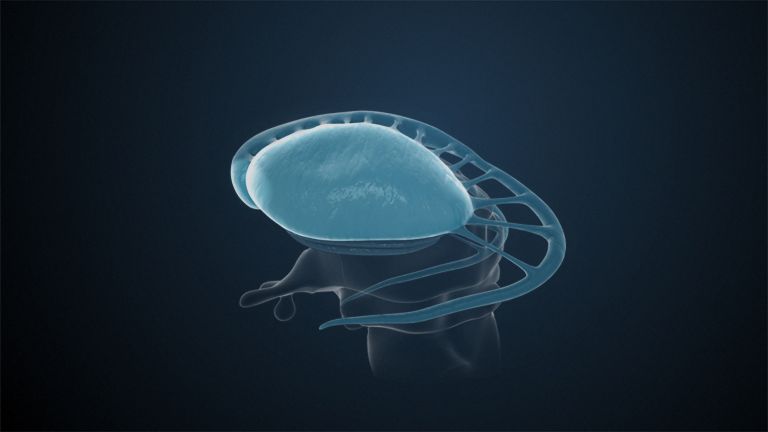
The Striatum
The striatum is not only about complex motor skills, but also about happiness.
28.11.2025
-
- Think
- Emotions
Reason vs. Emotion?
Humans are not machines: emotions control their behavior more often than they realize.
11.09.2025
-
- Basics
- Anatomy
The Septum
The core areas of the septum are located at the interface between the hypothalamus and hippocampus.
09.10.2025
-
- News from the Institutes
Two Brain Areas Compete for Control
The locus coeruleus and the ventral tegmental area compete for control over the formation of memory content
14.03.2025