Search
-
- Think
- Emotions
Signals from Within
Emotions shape our lives. That's why we're so good at recognizing and empathizing with them.
18.12.2025
-
- Think
- Emotions
The Roots of Emotions
Emotion scientists seek to identify the basic patterns of our feelings.
25.10.2025
-
- Think
- Emotions
What are Emotions?
What we feel shapes our emotional life – and helps us react correctly and quickly.
11.09.2025
-
- Think
- Emotions
On the Trail of Emotions
How do feelings arise? Emotion theories provide different answers.
18.07.2018
-
- Think
- Emotions
Emotion – Introduction
Reason and emotion are not necessarily opposites – they help to evaluate a situation.
30.08.2011
-
- Glossary
Facial expressions
Five muscle groups control the visible movements on the surface of our faces – and this applies to everyone in the world. Neuroscientists emphasize universal, evolutionarily anchored reactions as the reason for this. For this reason, the basic emotions of fear, anger, disgust, sadness, surprise, and joy leave similar traces on the face everywhere, which we can usually identify reliably even in strangers.
-
- News
- Question to the brain
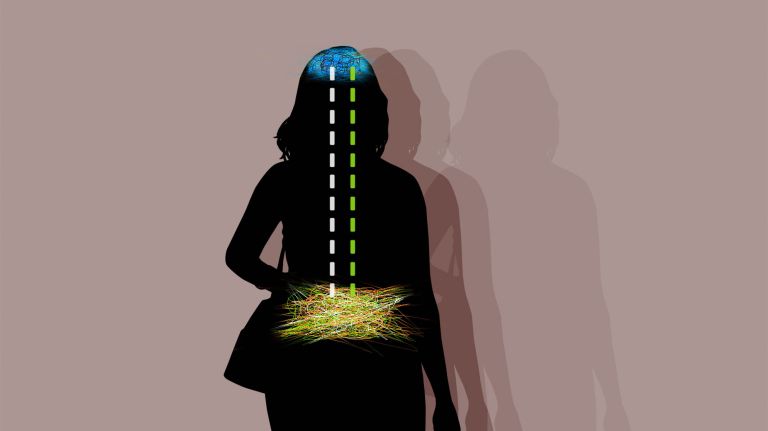
What is transgenerational trauma?
How are traumas passed on to subsequent generations? What happens in the brain during this process?
12.05.2024
-
- News from the Institutes
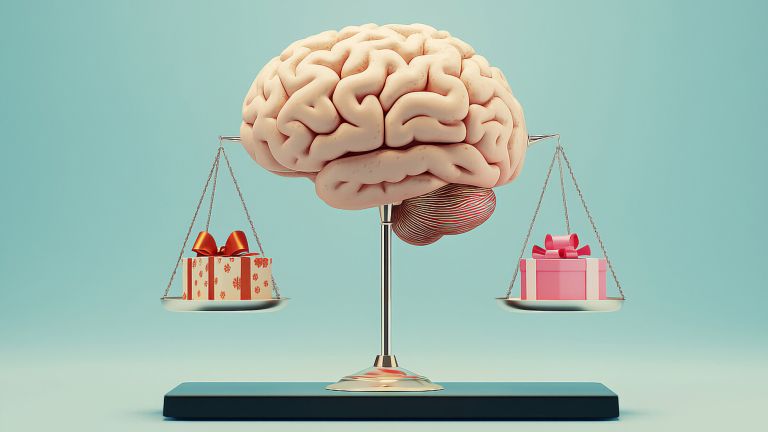
How does our brain regulate generosity?
The “basolateral amygdala”, a part of the limbic system, plays an important role in this.
14.04.2025
-
- Think
- Emotions
Reason vs. Emotion?
Humans are not machines: emotions control their behavior more often than they realize.
11.09.2025
-
- Basics
- Anatomy
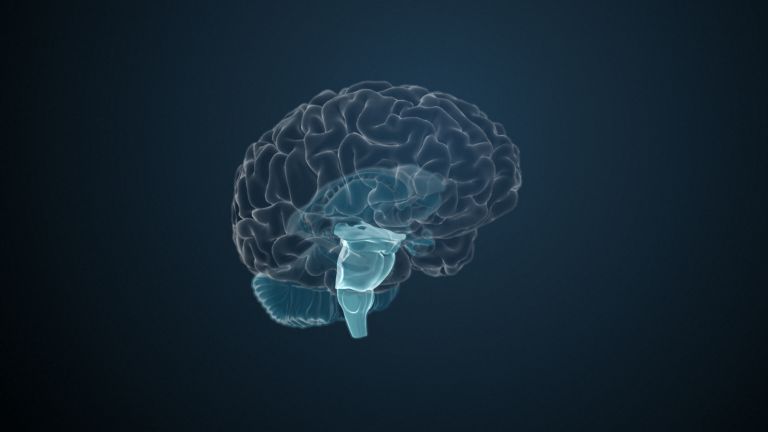
The Brain Stem
Only thumb-sized, the brain stem regulates the body's vital systems.
05.08.2025