Search
-
- News from the Institutes
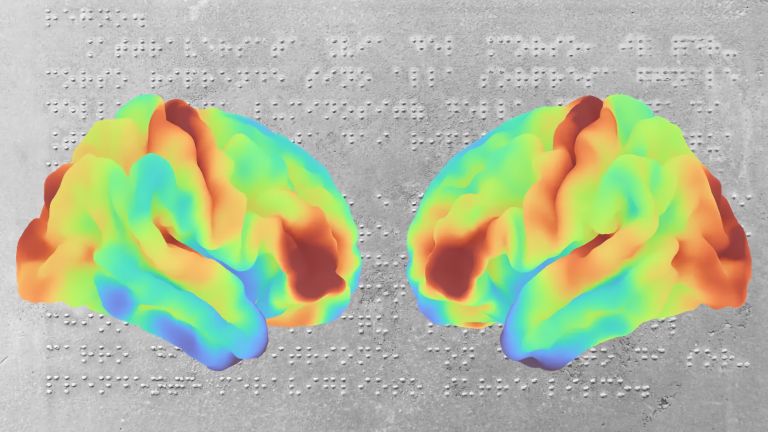
The brains of blind people reorganize differently than previously thought
The brain's microstructure was imaged at the submillimeter scale, revealing several important patterns.
13.07.2026
-
- News from the Institutes
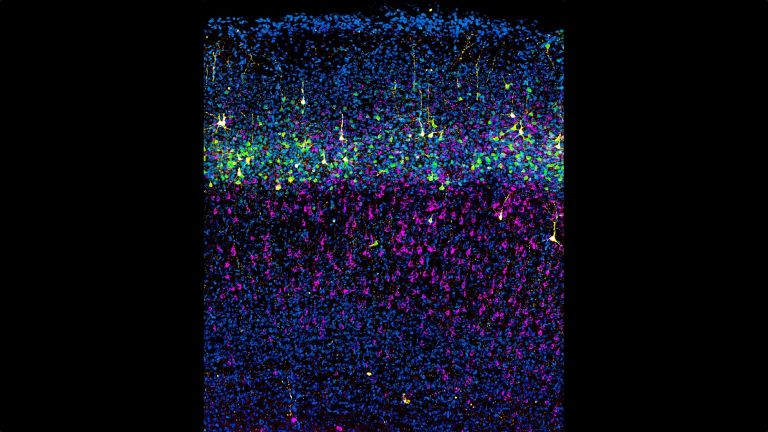
Neuronal Precursor Splits into Two Cell Lineages Earlier than Anticipated
ISTA Postdoc investigates how distinct neuron types arise in the cerebral cortex
05.08.2026
-
- News
- Question to the brain
What happens in a déjà vu?
Almost everyone knows the strange feeling of having experienced a new situation exactly like this before. How does this phenomenon occur?
22.08.2026
-
- News from the Institutes
The Epigenetics of Poverty and Aging
Cash transfers to mothers with low income may slow biological aging in children
09.09.2026
-
- News from the Institutes
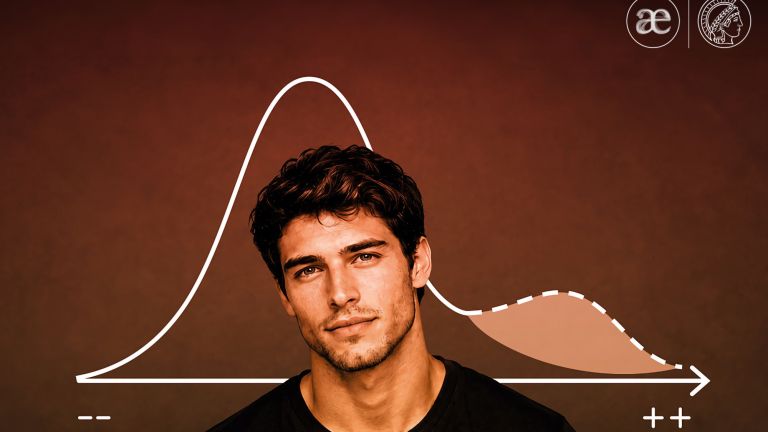
The Perception of Male Beauty
Study finds: While women are considered more attractive on average, there is an unexpectedly large group of exceptionally attractive men.
08.09.2026
-
- News from the Institutes
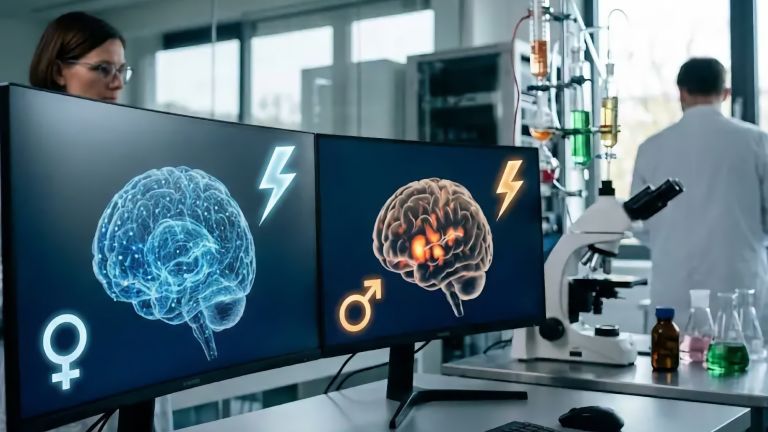
Trauma-induced changes in the brain differ significantly between males and females
Multilevel brain and behavior mapping reveals how early adversity drives distinct neurobiological and behavioral paths depending on sex
15.09.2026
-
- Basics
- Anatomy
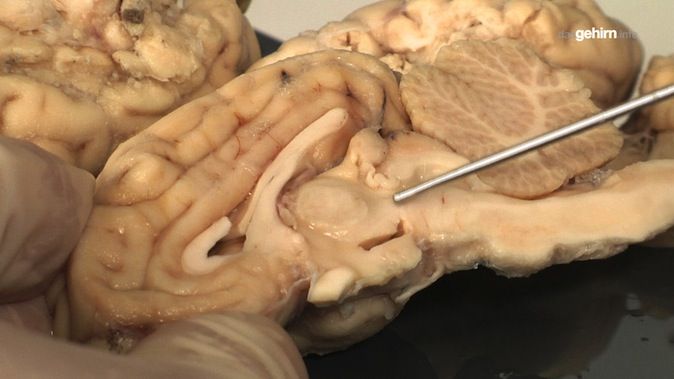
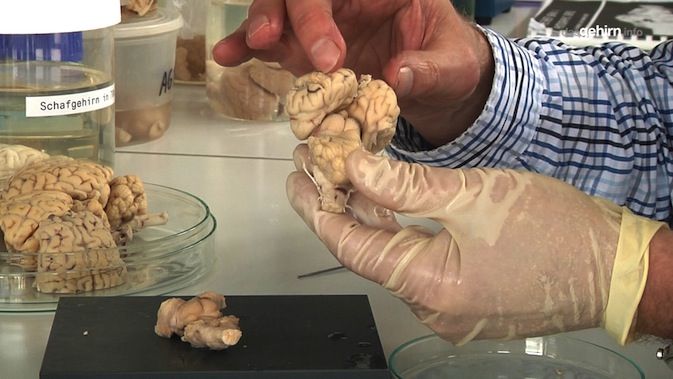
The Sheep Brain: Cortex
It is our cortex that makes us human. How does this work in sheep?
29.06.2013
-
- Basics
- Anatomy
The Sheep Brain: Limbic System
There are not only systems for sensory and motor functions, but also one for emotions. Really?
29.06.2013
-
- Basics
- Anatomy
The Sheep Brain: Diencephalon
The so-called "intermediate brain" comprises crucial structures. And it informs consciousness.
29.06.2013
-
- Basics
- Anatomy
The Sheep Brain: Brain Stem
It fulfills central tasks. And has adult-only structures. And colorful nuclei.
29.06.2013